Key Highlights
- Packing is a reflection of our future needs and desires.
- Techniques like rolling clothes can maximize suitcase space.
- The 5-4-3-2-1 rule simplifies packing for travelers.
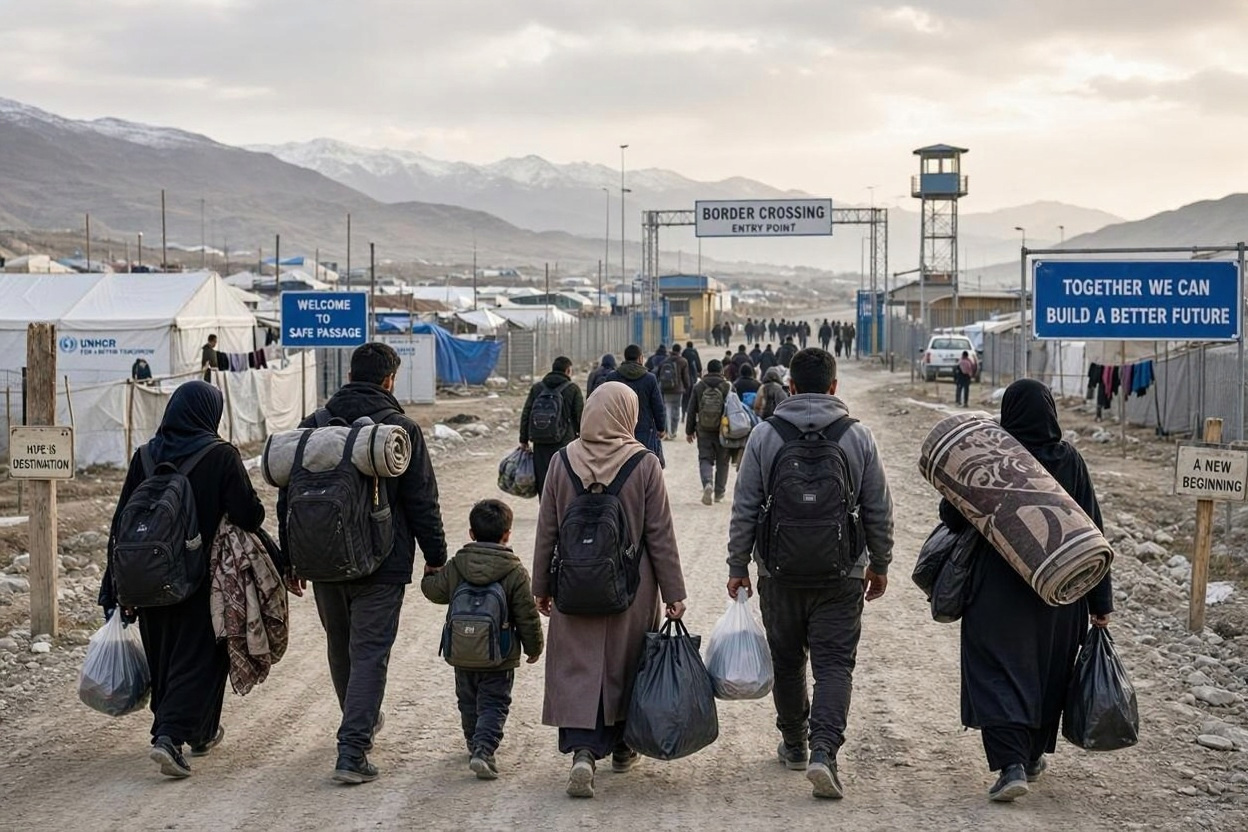
Packing for a journey is more than just a logistical task; it is an intimate act of forecasting our future selves. Each suitcase holds a small argument about what we believe we will need, balanced against the space we are willing to carry. This delicate arithmetic unfolds in bedrooms, hotel rooms, and airport queues, where the anticipation of travel meets the reality of limited space.
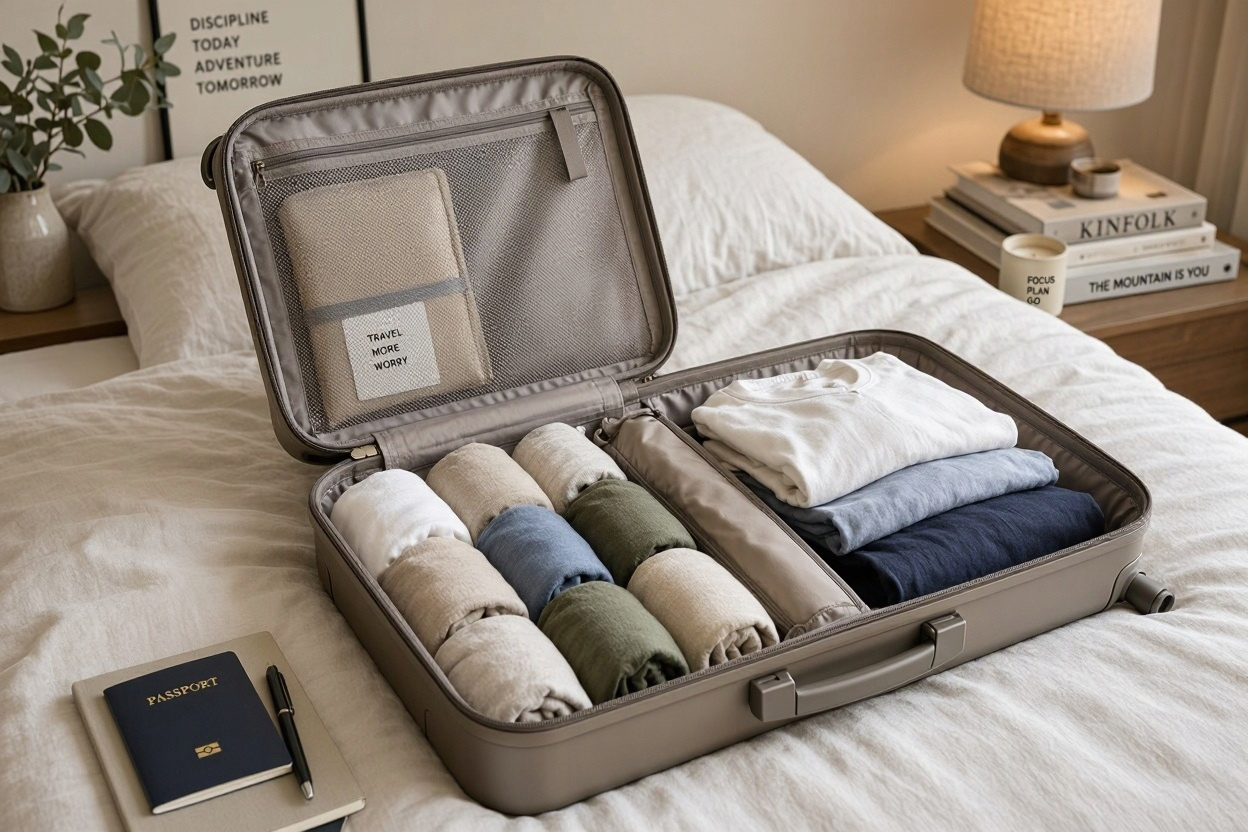
The art of packing has evolved into a genre of its own, drawing insights from various experts, including former military personnel, seasoned travelers, and professional organizers. One popular technique is the British Army's rolling method, which allows travelers to fit approximately twenty percent more clothing into their bags. This method not only maximizes space but also minimizes creasing, as noted by Glasgow Airport’s packing guidelines. Such strategies reflect a universal hope: that with the right approach, we can bring everything we need while carrying as little as possible.
However, the most effective packing advice often encourages restraint rather than cramming. Travel publications now advocate for a capsule wardrobe, emphasizing interchangeable pieces and a limited color palette. This approach discourages packing for hypothetical scenarios, instead promoting the idea that less is more. The 5-4-3-2-1 rule—five tops, four bottoms, three accessories, two pairs of shoes, and one hat or swimsuit—serves as a practical framework for a week-long trip. It is less a strict formula and more a permission slip to trust that what we bring will suffice.
Shoes, notorious for taking up valuable suitcase real estate, have their own set of packing strategies. The consensus among travelers is to wear the bulkiest pair during transit and utilize the space within them for smaller items like socks or chargers. Packing cubes are also recommended, not for their ability to compress clothing, but for their effectiveness in organizing chaos. The timeless advice to lay out all items before packing and then remove a third remains one of the most challenging yet rewarding strategies.
Ultimately, the wisdom gleaned from these packing techniques transcends mere logistics; it embodies a mindset. A well-packed suitcase reflects a traveler’s ability to embrace restraint, acknowledging that the journey will provide what our closets at home cannot foresee. Those who overpack are not necessarily imprudent; they are simply hopeful. Conversely, those who pack lightly are not austere; they are skilled in the art of leaving room for the unexpected.
In conclusion, the act of packing is an exercise in faith, a belief that we can meet the future with what we carry. Cramming, on the other hand, often signals a loss of that faith, a reluctance to trust in the journey ahead. As we prepare for our next adventure, let us remember that every suitcase holds not just our belongings, but also our aspirations and hopes for the experiences that await us.
The visual elements accompanying this piece were produced with AI generation technology.
Published by Banx Network. This article is part of the Banx decentralized media programme, powered by the BXE token on the XRP Ledger.