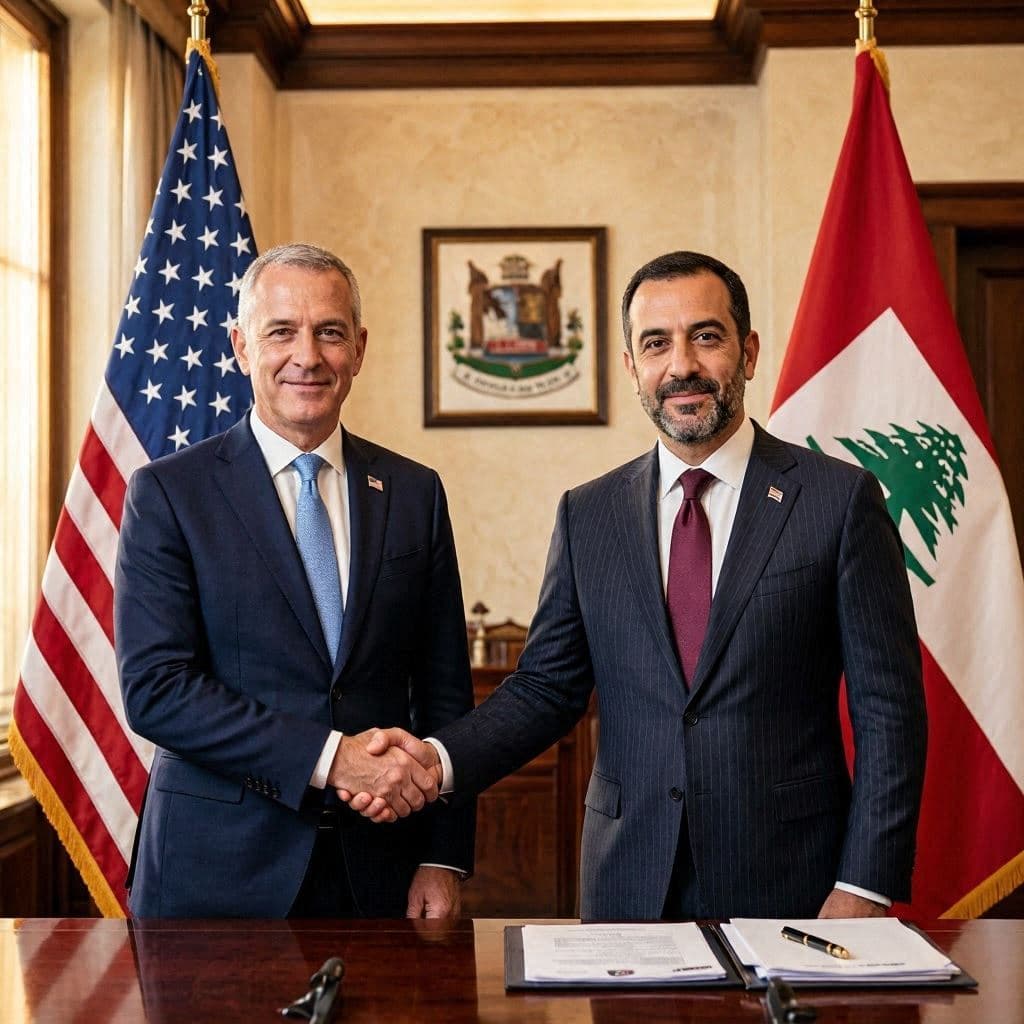
Diplomacy often unfolds in quiet rooms, far from the glare of conflict zones, yet its repercussions ripple across borders. Former President Donald Trump’s recent meeting with Lebanon’s president marks a significant diplomatic engagement, occurring simultaneously with Israel’s initial withdrawal of forces from southern Lebanon. This convergence of events suggests a delicate balancing act in the Middle East, where dialogue and de-escalation proceed in tandem. It is a moment that invites reflection on the complexities of peacebuilding and the role of influential figures in stabilizing volatile regions.
Body: The meeting between Trump and the Lebanese president focused on reinforcing sovereignty and supporting economic recovery in Lebanon. As a nation grappling with internal political fragmentation and economic hardship, Lebanon looks to international partners for stability. Trump’s involvement, leveraging his previous administration’s relationships in the region, signals a continued interest in Middle Eastern affairs despite his current status as a former head of state. His influence remains a potent factor in regional diplomacy.
Simultaneously, the Israeli military has begun a phased pullback from positions in southern Lebanon, adhering to ceasefire agreements mediated by international powers. This withdrawal is a critical step toward reducing tensions and allowing Lebanese authorities to reassert control over their territory. The coordination between these diplomatic and military movements underscores the interconnected nature of security and politics in the Levant.
The timing of Trump’s hospitality is strategic, offering a platform for Lebanon to articulate its needs and concerns to a key American political figure. Discussions likely covered issues such as border security, the role of Hezbollah, and international aid. By engaging directly with Lebanese leadership, Trump aims to foster a sense of partnership and support, which can be crucial for long-term stability.
For Israel, the pullback represents a tactical adjustment rather than a complete resolution. Security concerns remain paramount, and the monitoring of border activities continues. The reduction in military footprint is intended to lower the temperature of the conflict, creating space for diplomatic solutions to take root. However, vigilance remains high, as historical precedents suggest that ceasefires can be fragile.
International observers view these developments with cautious optimism. The combination of diplomatic outreach and military de-escalation offers a pathway toward sustainable peace, though challenges persist. The involvement of external actors like the United States, through figures such as Trump, adds weight to these efforts. Their ability to influence both sides is a critical component of the peace process.
Local populations in both Lebanon and Israel await the tangible benefits of these changes. For Lebanese citizens, the hope is for restored sovereignty and economic relief. For Israelis, the expectation is enhanced security and an end to cross-border hostilities. The success of these initiatives will be measured by the improvement in daily life for those affected by the conflict.
Closing: The dual developments of Trump’s diplomatic engagement and Israel’s military pullback highlight a pivotal moment in Middle Eastern relations. While challenges remain, the steps toward dialogue and de-escalation offer hope for a more stable future. Continued international support and local cooperation will be essential for sustaining this progress.
AI Image Disclaimer: Visuals in this piece are artificially generated and should be viewed as artistic interpretations rather than factual documentation.
Sources: Reuters Al Jazeera BBC News Associated Press
Published by Banx Network. This article is part of the Banx decentralized media programme, powered by the BXE token on the XRP Ledger.