There is a quiet arithmetic to a city that is growing older and more expensive at the same time. The numbers on paper speak of targets and dwellings, of density and infrastructure. On the ground, they speak of something harder to measure: the feeling of a neighborhood changing in ways that residents did not choose, at a pace they did not set. In Sydney's inner west, those two languages are colliding with a force that has filled council chambers and crowded WhatsApp groups.
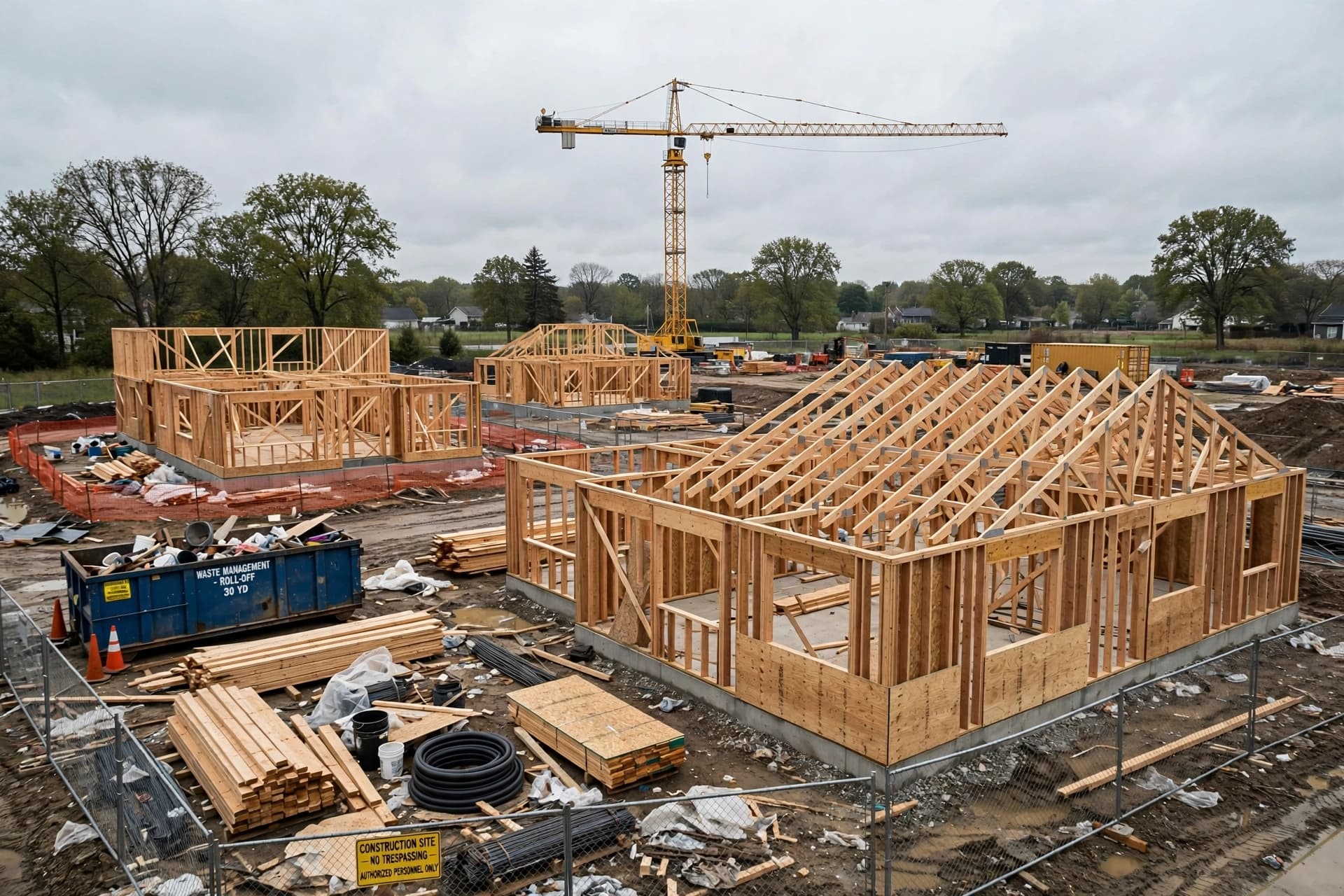
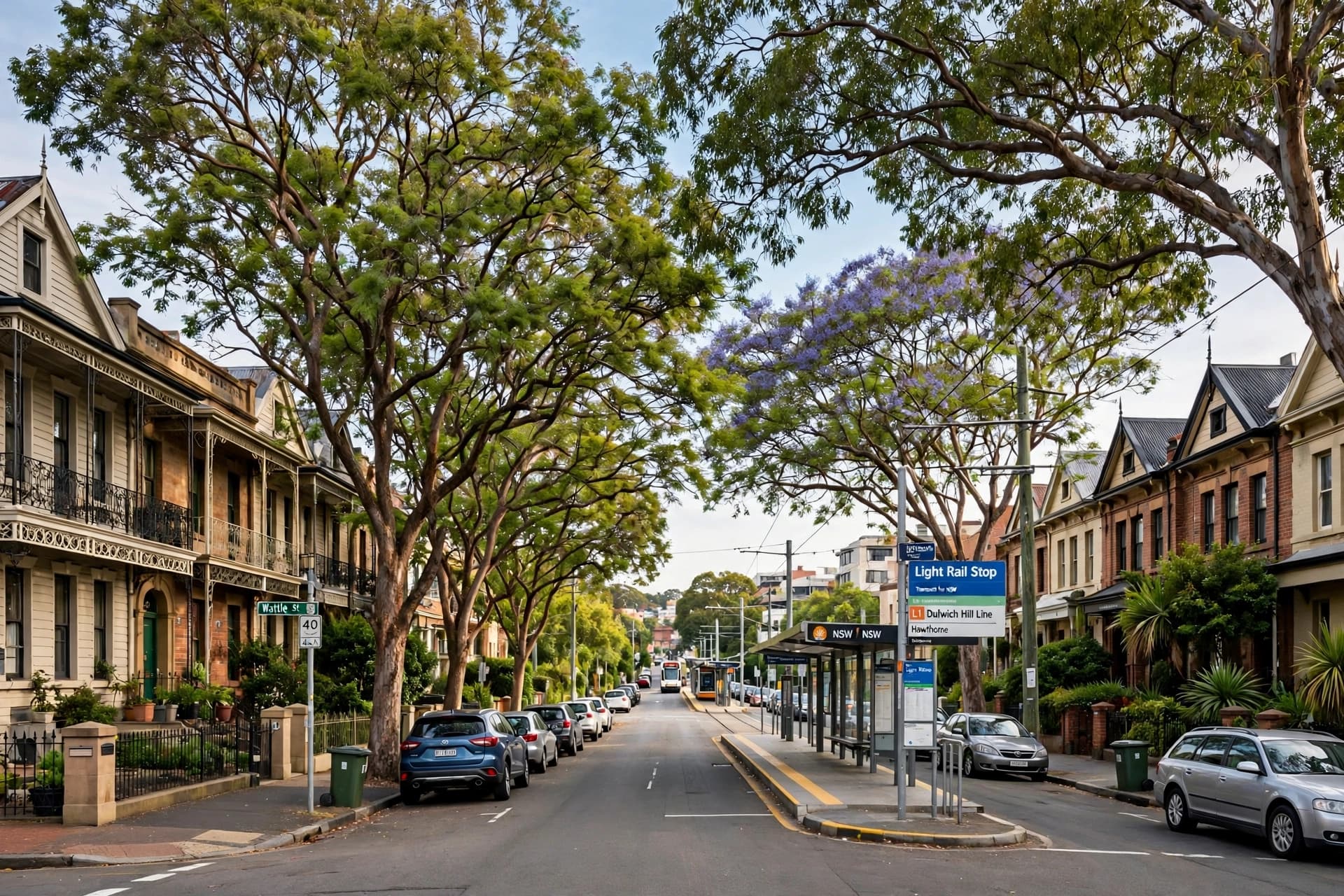
The Inner West Council, led by a Labor majority, has advanced the second stage of its Fairer Future rezoning scheme, a plan designed to spread housing density across the local government area rather than concentrate it around train stations as the state government's policies would do . The first stage, adopted last year, aimed to deliver more than 30,000 new dwellings. The second stage examines additional sites in suburbs including Ashfield, Dulwich Hill, Marrickville, Rozelle, Balmain, Annandale, Leichhardt, Lilyfield, and others, proposing buildings of varying heights near light rail stops and main streets .
The flashpoint is Lilyfield, where the plan proposes buildings of up to twenty storeys on several sites, some of them public housing properties near the Lilyfield and Leichhardt North light rail stops . For residents like Lucy Wynter, who learned of the plans when the six-week exhibition period began in mid-September, the reaction was immediate. "None of us are anti-affordable housing, we're just anti-bad planning," she said. "We just think this is spectacularly badly planned" . A WhatsApp group she helped organize drew 675 members within weeks and raised $10,000 to fund an independent report on the scheme .
Even the council's own mayor, Darcy Byrne, has conceded that the twenty-storey proposals in Lilyfield are excessive. He told residents this week that the council would revisit those plans, describing them as "OTT" and "out of whack" . Yet he has also defended the broader scheme as a locally led alternative to the state government's "top-down rezonings," arguing that the council's plan protects nearly all heritage conservation zones while the state's protects almost none .
The debate has drawn in voices from both sides of a familiar divide. The pro-housing group Sydney YIMBY supports rezoning for more mid-rise apartments in several of the affected suburbs, noting that these areas "have seen very little housing growth this century and are becoming increasingly unaffordable because of that" . Meanwhile, hundreds of residents rallied outside the council meeting on Tuesday, and a motion to extend the exhibition period beyond October 28 was voted down by the Labor majority .
What makes this particular fight so difficult is that both sides can claim to be acting in good faith. The council points to a housing crisis that demands bold action and argues that spreading density more evenly is fairer than concentrating it. Residents point to a 956-page proposal they were given weeks to read, to infrastructure that may not support the scale of development, and to the sense that the place they live is being redesigned without their consent . Neither position is unreasonable. The question is whether a process designed to produce homes can also produce trust.
The exhibition period closes on October 28. The council will then decide how to proceed, with the Lilyfield heights already marked for revision. For now, the inner west remains what it has always been: a place where people care deeply about where they live, and where the future of the city is being negotiated one street at a time.
Images in this article are AI-generated and intended for illustrative purposes only.
Sources: WAtoday, The Sydney Morning Herald
Published by Banx Network. This article is part of the Banx decentralized media programme, powered by the BXE token on the XRP Ledger.