
Key Highlights
- Arctic ice is melting at an unprecedented rate due to climate change.
- New trade routes are opening, significantly reducing shipping times.
- Geopolitical tensions are rising as nations vie for control over resources.
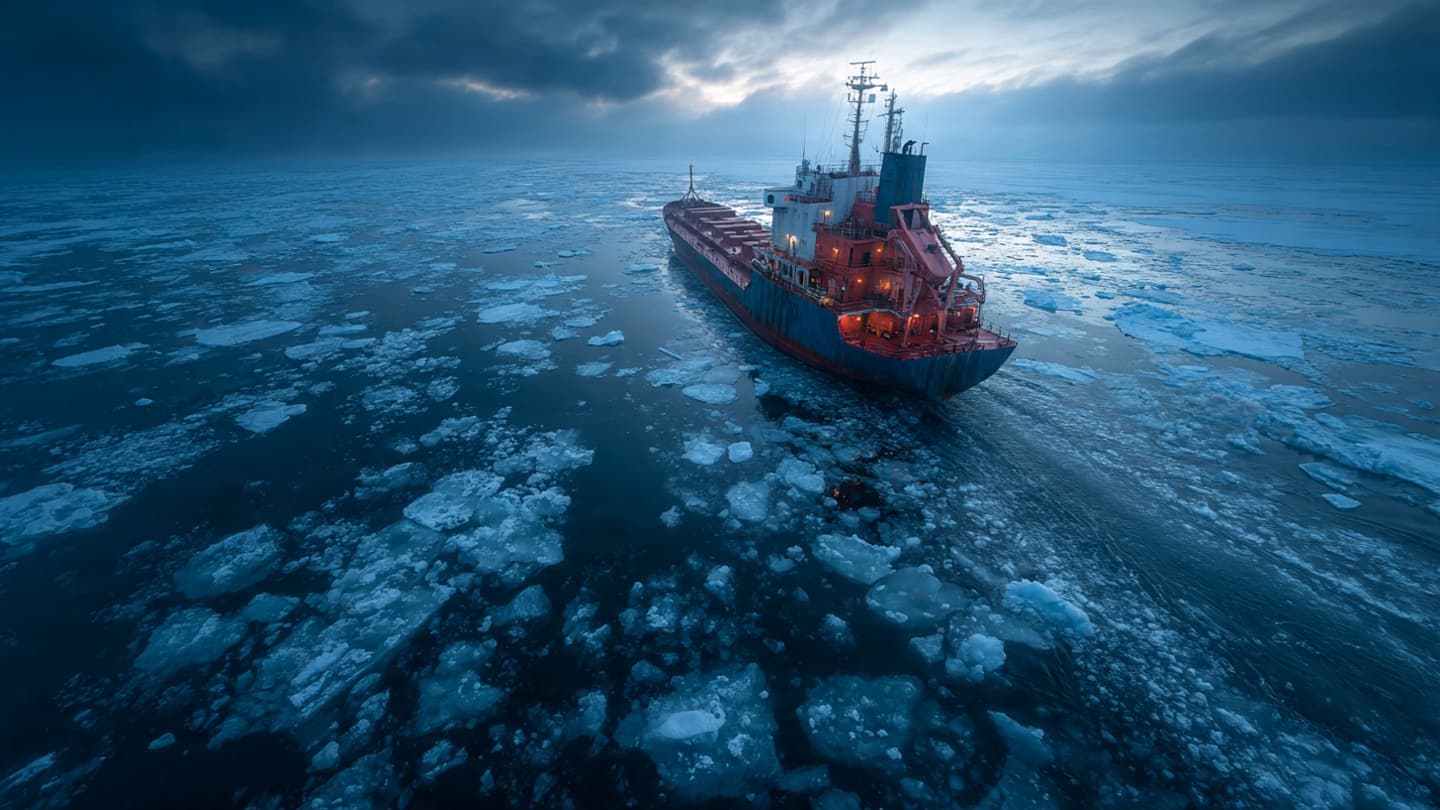
The Arctic region is undergoing a dramatic transformation as global temperatures rise, leading to the unprecedented melting of the ice cap. This environmental crisis not only threatens ecosystems and indigenous communities but also opens up new economic and strategic opportunities. The Northern Sea Route and the Northwest Passage are becoming increasingly navigable, allowing for shorter shipping lanes between Asia, Europe, and North America. This 'Arctic thaw' is turning the region from a frozen frontier into a bustling corridor of commerce and competition, drawing the attention of major powers and escalating geopolitical tensions.
The economic potential of these new trade routes is significant. Shipping through the Arctic can reduce travel time by weeks compared to traditional routes through the Suez or Panama Canals. This not only cuts fuel consumption but also lowers costs, making Arctic shipping an attractive option for global trade. Furthermore, the receding ice is revealing access to vast untapped reserves of oil, gas, and minerals. Nations are racing to explore and exploit these resources, leading to increased investment in infrastructure and technology in the region.
However, the surge in economic activity comes with considerable environmental risks. Oil spills in icy waters are notoriously difficult to clean up and can have devastating effects on fragile ecosystems. The increase in ship traffic disrupts marine life and contributes to pollution, while indigenous communities, whose livelihoods depend on the traditional environment, face displacement and cultural erosion. Balancing economic gain with environmental protection and social justice presents a critical challenge for stakeholders involved in Arctic development.
Geopolitically, the Arctic is becoming a zone of contention among global powers. Russia has militarized its northern coast, asserting control over the Northern Sea Route, while China, declaring itself a 'near-Arctic state,' is investing heavily in infrastructure and seeking to expand its influence in the region. NATO members, including the United States, Canada, and various European nations, are increasing their military presence to counter these moves, leading to a buildup of military capabilities that raises fears of potential conflict.
International governance in the Arctic is struggling to keep pace with these rapid changes. The Arctic Council, the primary forum for cooperation among Arctic states, faces challenges due to political divisions among its members. While legal frameworks under the UN Convention on the Law of the Sea (UNCLOS) provide some guidance, disputes over territorial claims and resource rights continue to persist. Strengthening diplomatic dialogue and establishing clear rules for navigation and resource extraction are essential for ensuring stability in the region.
For the global community, the Arctic serves as a barometer for climate change. Its rapid transformation underscores the urgency of addressing global warming. Mitigation efforts must be coupled with adaptation strategies tailored to the region's unique challenges. Sustainable development practices are crucial to ensure that economic activities do not exacerbate environmental damage.
Looking ahead, the Arctic will play an increasingly central role in global affairs. Its resources and shipping routes will shape trade patterns and security dynamics in the coming years. Managing this transition requires cooperation, foresight, and a commitment to sustainability. The thawing ice is revealing not just new paths for commerce but also new responsibilities for nations and communities alike.
The story of the Arctic thaw is a paradox, offering opportunities amidst a crisis. By approaching the region with care and collaboration, we can harness its potential while protecting its integrity. The future of the Arctic will reflect our ability to balance progress with preservation.
Published by Banx Network. This article is part of the Banx decentralized media programme, powered by the BXE token on the XRP Ledger.



