
Key Highlights
- Unique Biodiversity:Marine biologists document over thirty previously unrecorded species in the Dahlak Archipelago.
- Conservation Efforts:Researchers advocate for expanded marine protected areas to safeguard these ecosystems.
- Climate Resilience:The reefs serve as a critical refuge amid global coral bleaching trends.
The Dahlak Archipelago, a stunning collection of islands in the Red Sea, is emerging as a vital area for marine biodiversity research. Recent studies conducted by marine biologists from Nature Africa have unveiled over thirty species of fish and coral that had not been previously documented in the region. This discovery highlights the archipelago's significance as a sanctuary for unique marine life, particularly in the face of global climate change and coral bleaching.
The research team, exploring the remote and sun-drenched islands, has likened their findings to uncovering a new library of life. Each new species represents a chapter in the ongoing story of the Red Sea's resilience and adaptability. The Dahlak reefs, characterized by their warm and saline waters, are a masterclass in evolution, showcasing how life can thrive even in challenging conditions.
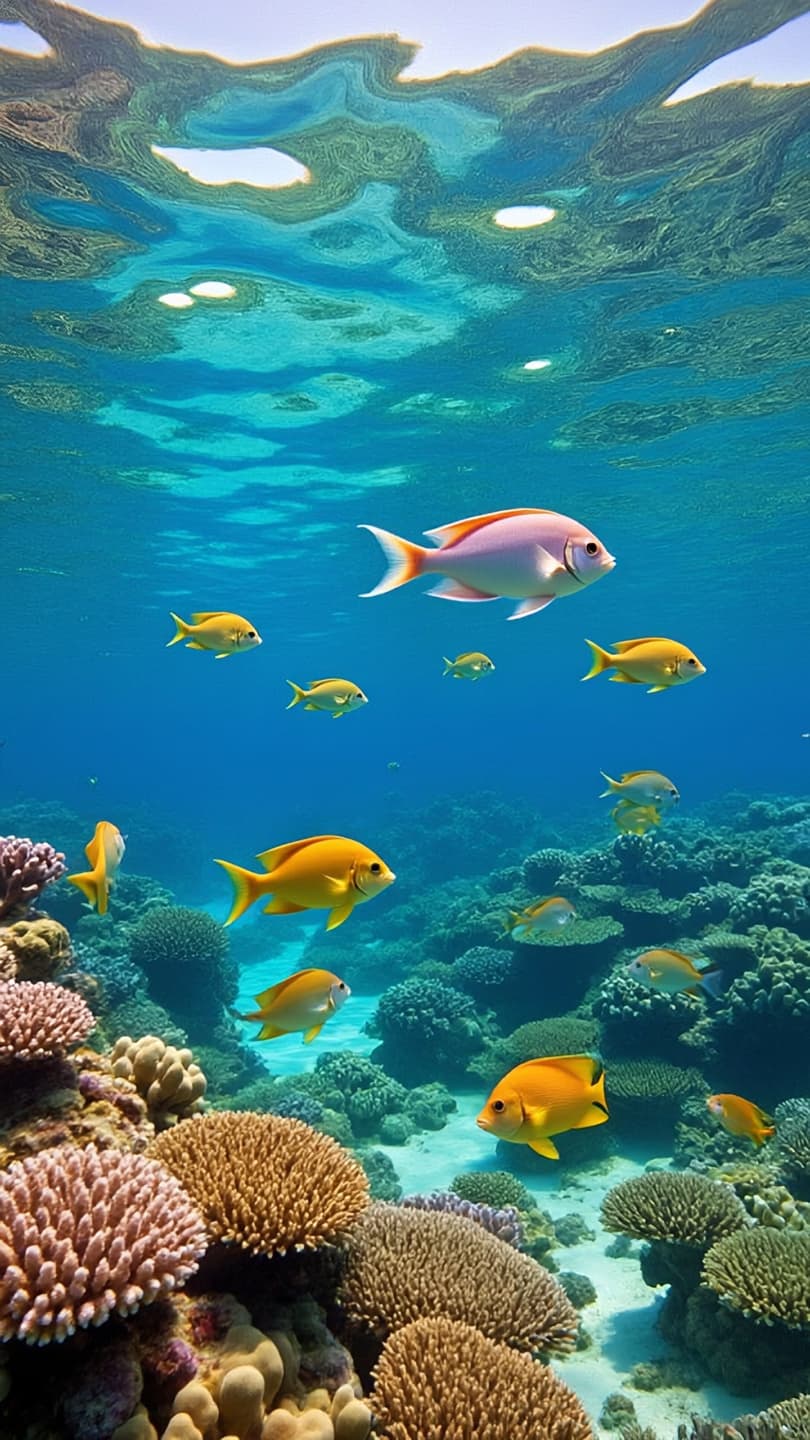
As divers descend into the crystal-clear depths, they witness a vibrant underwater world that starkly contrasts with the arid landscape above. The reefs are not just beautiful; they are essential to the marine food web, providing habitat and sustenance for countless species. The discovery of species found nowhere else on Earth underscores the archipelago's role as a cradle of evolution and a critical refuge for biodiversity.
The meticulous research conducted in the Dahlak Archipelago reflects a deep respect for the environment. Scientists approach their work with a sense of urgency, recognizing that the health of these ecosystems is paramount. The findings serve as a reminder of the importance of conservation efforts, particularly as the world grapples with the impacts of climate change.
For Eritrea, the biodiversity of the Dahlak Archipelago is not just a scientific treasure; it is a source of national pride. The government and local stakeholders are called to action to balance the potential for sustainable tourism with the necessity of protecting these unique ecosystems. The establishment of expanded marine protected areas is a critical step toward ensuring the long-term survival of the archipelago's biodiversity.
As the sun sets over the islands, casting golden reflections across the calm waters, the researchers return with valuable data and images. The Dahlak Archipelago remains a place of mystery, but its secrets are gradually being revealed to a world that desperately needs hope. This region serves as a poignant reminder that even in the most challenging environments, life can flourish with remarkable diversity.
The ongoing research in the Dahlak Archipelago not only contributes to our understanding of marine ecosystems but also emphasizes the need for global efforts to protect these vital habitats. The findings are a clarion call for conservation, urging stakeholders to recognize the intrinsic value of preserving the natural world for future generations.
Published by Banx Network. This article is part of the Banx decentralized media programme, powered by the BXE token on the XRP Ledger.



