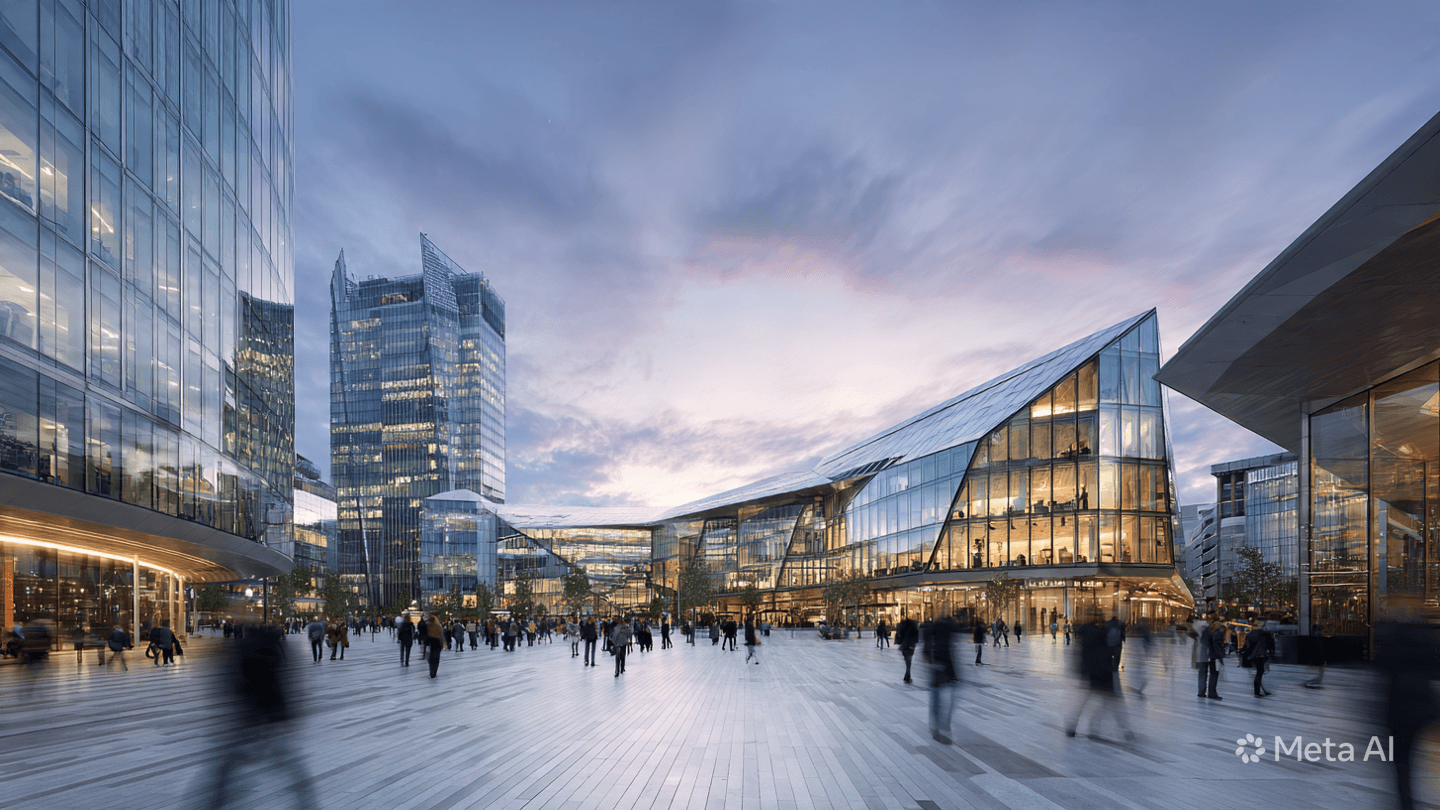
The concept of public space is rooted in the idea of openness—a place where people can gather, transit, and interact with the freedom that defines our social life. Yet, as our world becomes more interconnected and complex, the necessity of safeguarding these spaces has become an essential conversation. When we talk about enhanced security protocols in areas prone to public safety incidents, we are engaging with the delicate balance between the desire for freedom and the requirement of safety. It is an evolution of our physical environment, where design, policy, and human attention converge to create spaces that are both welcoming and secure.
To view these enhancements—the improved access control, the subtle presence of advanced surveillance, and the rigorous planning for emergency scenarios—is to observe a move toward a more proactive, systemic approach to security. This is not about the imposition of barriers, but about the creation of layers that allow for the detection of risks before they reach a critical threshold. It is a quiet, architectural effort, where the very layout of our public squares, transit hubs, and commercial centers is being reimagined to support the well-being of the people who occupy them.
This evolution is fundamentally tied to the integration of technology into the human experience of space. Modern analytics, capable of discerning patterns in a sea of activity, provide those responsible for public safety with the context needed to make informed, measured decisions. When used thoughtfully, these tools enhance our situational awareness without disrupting the spirit of the space itself. It is a form of invisible stewardship, where the technology operates in the service of the person, ensuring that the crowd can move with a sense of ease and confidence.
The enhancement of security protocols is also a reflection of our deepening commitment to the dignity of the individual. By focusing on identifying threats earlier and responding with greater precision, we minimize the impact that such risks have on the general population. It is an act of care that recognizes that the collective confidence in a space is what truly defines its character. When people feel that their safety is a priority, they are more likely to participate in the life of the city, creating a more vibrant, connected, and resilient community.
However, the challenge remains in maintaining the openness that makes these spaces valuable. Enhanced protocols must be applied with a sensitivity that respects the social, cultural, and psychological needs of those who use these areas. The goal is not to transform our public squares into fortified zones, but to infuse them with a level of resilience that allows them to function even in the face of uncertainty. It is about creating a sense of security that is felt rather than seen, a pervasive confidence that comes from knowing that the systems in place are both capable and responsive.
This pursuit of enhanced security is an ongoing, adaptive process. As new threats emerge, the protocols must evolve, requiring a constant dialogue between technology, policy, and the people who live and work in these spaces. It is a multidisciplinary effort, drawing on the wisdom of experts, the experiences of the public, and the vision of designers. In this way, the architecture of security becomes a living, breathing part of our urban fabric, one that grows and changes alongside the needs of the society it serves.
As we move forward, the aim is to foster a culture of shared responsibility, where the security of public spaces is understood as a collective achievement. It is a commitment to the idea that our freedom to gather is something to be protected, not just by those in authority, but by the thoughtful participation of everyone. By integrating these enhanced protocols into the fabric of our city, we ensure that our public spaces remain areas of connection, encounter, and vibrant social life, grounded in the quiet assurance that they are cared for and secure.
Public safety authorities are increasingly implementing multi-layered security protocols in areas prone to incidents, such as transit hubs, campuses, and major urban centers. These enhancements often include the integration of advanced video analytics, smartphone-based access control, and real-time remote monitoring systems to improve situational awareness and response readiness. These strategies emphasize a proactive approach to risk management, combining physical infrastructure upgrades with data-driven decision-making to better manage density and identify anomalies. Officials underscore that these measures are intended to maintain public trust and preserve the openness of public spaces while addressing evolving safety threats.
Published by Banx Network. This article is part of the Banx decentralized media programme, powered by the BXE token on the XRP Ledger.