Key Highlights
- Water shortages in Gaza have led to a 40% rise in skin infections among children.
- Humanitarian agencies are mobilizing to address the public health crisis.
- The situation reflects broader issues of infrastructure failure and resource scarcity.
The humanitarian crisis in Gaza has reached alarming levels in 2026, with severe water shortages leading to a public health emergency. Reports indicate a staggering 40% increase in cases of rare skin infections, scabies, and fungal diseases among children, directly linked to the inability to maintain basic hygiene. The Palestinian Red Crescent Society (PRCS) and other humanitarian agencies are sounding the alarm, urging immediate action to address the dire situation in displaced persons' camps.
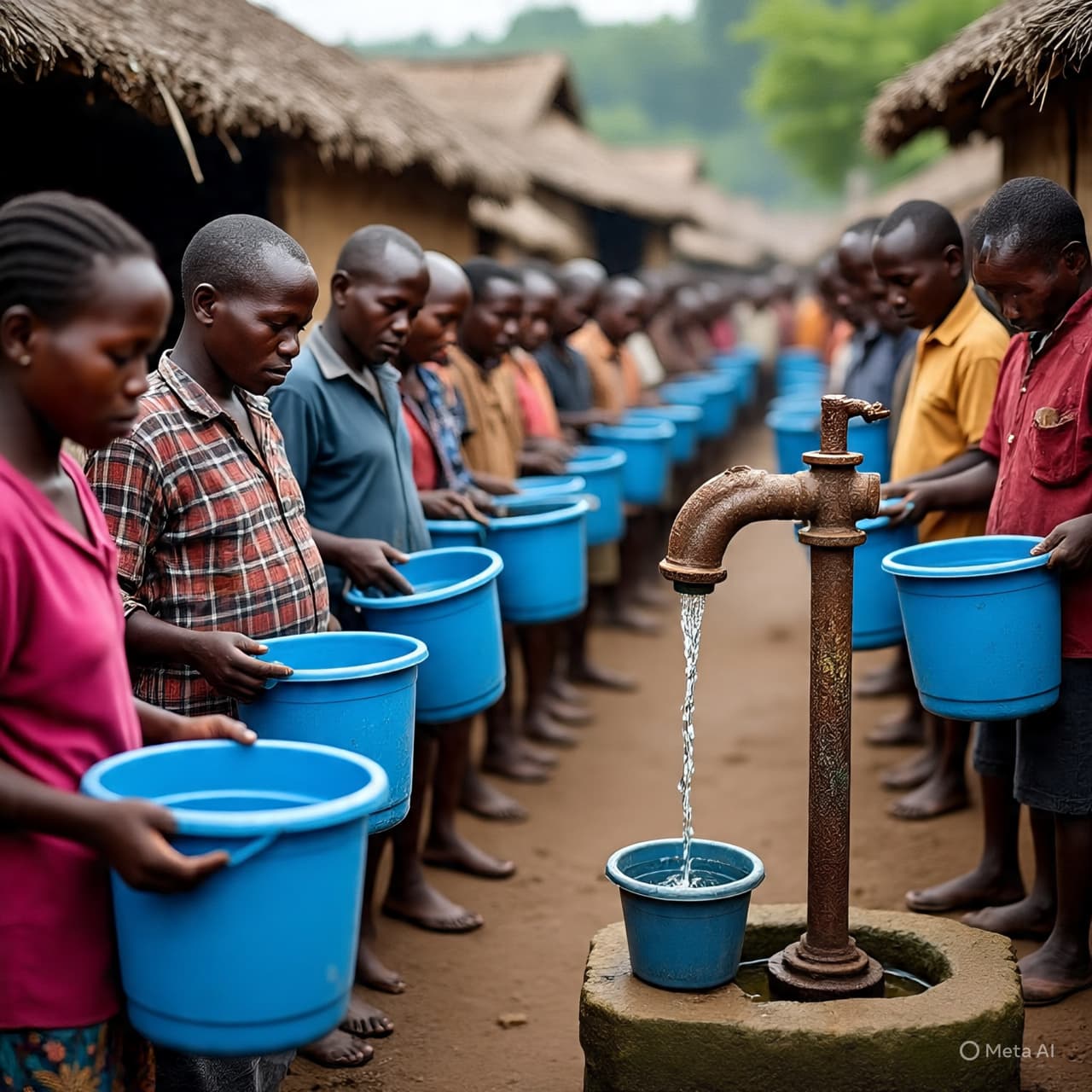
In April 2026, the reality on the ground is stark. Families in overcrowded shelters are grappling with the consequences of dwindling water supplies. The simple act of washing hands or bathing has become a luxury, exacerbating health issues and leading to a surge in dermatological ailments. Medical professionals are witnessing firsthand the devastating impact of this scarcity, as children suffer from conditions that could be easily prevented with access to clean water.
The narrative of this crisis is not just about the physical symptoms but also about the underlying infrastructure failures that have left communities vulnerable. As humanitarian workers navigate the challenges of triage and preventive hygiene, they face the harsh reality that treating symptoms is futile without a stable supply of water. The situation calls for a comprehensive response that addresses both immediate health needs and the systemic issues contributing to the crisis.
Community resilience is being tested as families search for safe water sources amidst the chaos. The fabric of social support is fraying, with parents struggling to provide for their children while healthcare workers work tirelessly to manage outbreaks of skin diseases. The interconnectedness of urban centers and displaced camps highlights the fragility of public health systems, where the absence of a basic resource like water can lead to widespread health crises.
As humanitarian efforts ramp up, the focus is on ensuring that the most vulnerable populations—particularly children and the elderly—receive priority access to available resources. Coordinated efforts among water engineers, medical staff, and community leaders are essential to ensure fair and efficient distribution of aid. The deployment of water tankers and hygiene kits represents a crucial step in addressing the immediate needs of the population, but the long-term solution lies in restoring the water network and rebuilding trust in public health systems.
Looking ahead, the success of these efforts will be measured by the restoration of water access and the overall health of the population. The 2026 health crisis serves as a critical reminder of the importance of global cooperation in addressing humanitarian challenges. As the international community rallies to support Gaza, the hope is that this crisis will lead to a more resilient health infrastructure capable of withstanding future challenges. The architecture of scarcity must be dismantled to ensure that the flow of life-giving resources is restored, allowing communities to thrive once again.
Published by Banx Network. This article is part of the Banx decentralized media programme, powered by the BXE token on the XRP Ledger.