
Key Highlights
- North Korea conducted a weapons test involving cluster munitions.
- The test was observed by Kim Jong Un and his daughter, emphasizing leadership continuity.
- International scrutiny surrounds the use of cluster munitions due to safety concerns.
North Korea's recent weapons test has drawn attention as the nation continues to assert its military capabilities amid a backdrop of regional tensions. On a morning characterized by a stillness that belies the underlying volatility, the test involved cluster-type munitions, which are designed to disperse smaller submunitions over a wide area. This event was reported by state media, highlighting the ongoing developments in North Korea's military strategy.
The launch was closely observed, with Kim Jong Un present alongside his daughter, a figure increasingly visible in state affairs. Their joint appearance during such significant moments serves to reinforce a narrative of continuity in leadership, blending the present with a future that is being carefully curated. This imagery not only reflects governance but also the inheritance of power, as the younger generation is introduced to the complexities of military and political life.
Details surrounding the test indicate that it was part of a broader initiative to evaluate the performance and readiness of North Korea's weapons systems. Analysts interpret these launches as calculated gestures, each one carrying implications for neighboring countries and the international community. The strategic messaging inherent in these tests is critical, as they signal North Korea's intentions and capabilities in an increasingly complex geopolitical landscape.
Cluster munitions, while strategically advantageous in certain military contexts, have faced significant international criticism due to the dangers posed by unexploded ordnance. Many nations have sought to restrict or ban their use through various treaties, yet compliance remains inconsistent. This disparity reflects differing national security priorities and perspectives on military engagement.
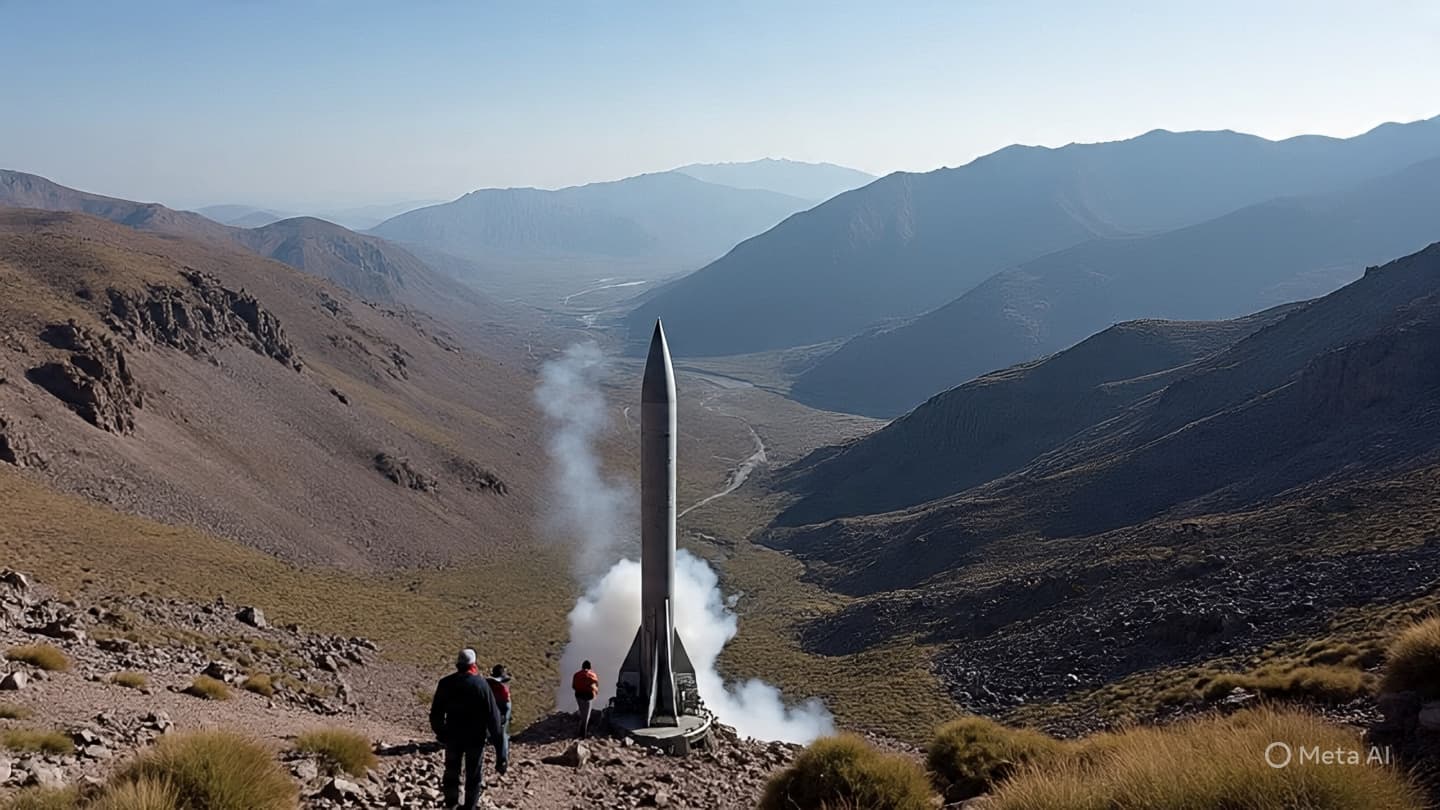
Within North Korea, however, the narrative surrounding such tests is framed differently. State media often presents these events in a controlled manner, showcasing the leadership's focus and the precision of their military capabilities. The landscape of the peninsula, marked by its mountains and open spaces, serves as both a backdrop and a witness to these displays of power, where the intersection of nature and technology creates a dramatic tableau.
The recent test fits into a larger pattern of military activity that has characterized North Korea's approach to defense and deterrence. Each launch contributes to a cumulative understanding of the region's strategic dynamics, influencing how neighboring states interpret North Korea's actions and prepare their responses. The presence of Kim's daughter during the test adds a layer of complexity to this narrative, suggesting a long-term vision for leadership that intertwines personal legacy with national security.
As the dust settles from the latest test, the implications remain significant. North Korea's continued development of cluster munitions not only reinforces its military posture but also serves as a reminder of the ongoing tensions that define the Korean Peninsula. The world watches closely, interpreting the signals sent by Pyongyang, as the cycle of military demonstration and diplomatic pause continues.
In summary, North Korea's recent test involving cluster munitions, observed by its leader and his daughter, underscores the dual themes of military readiness and leadership continuity. As the region remains vigilant, the echoes of this event will resonate, shaping perceptions and responses in the complex web of international relations.
Published by Banx Network. This article is part of the Banx decentralized media programme, powered by the BXE token on the XRP Ledger.



