
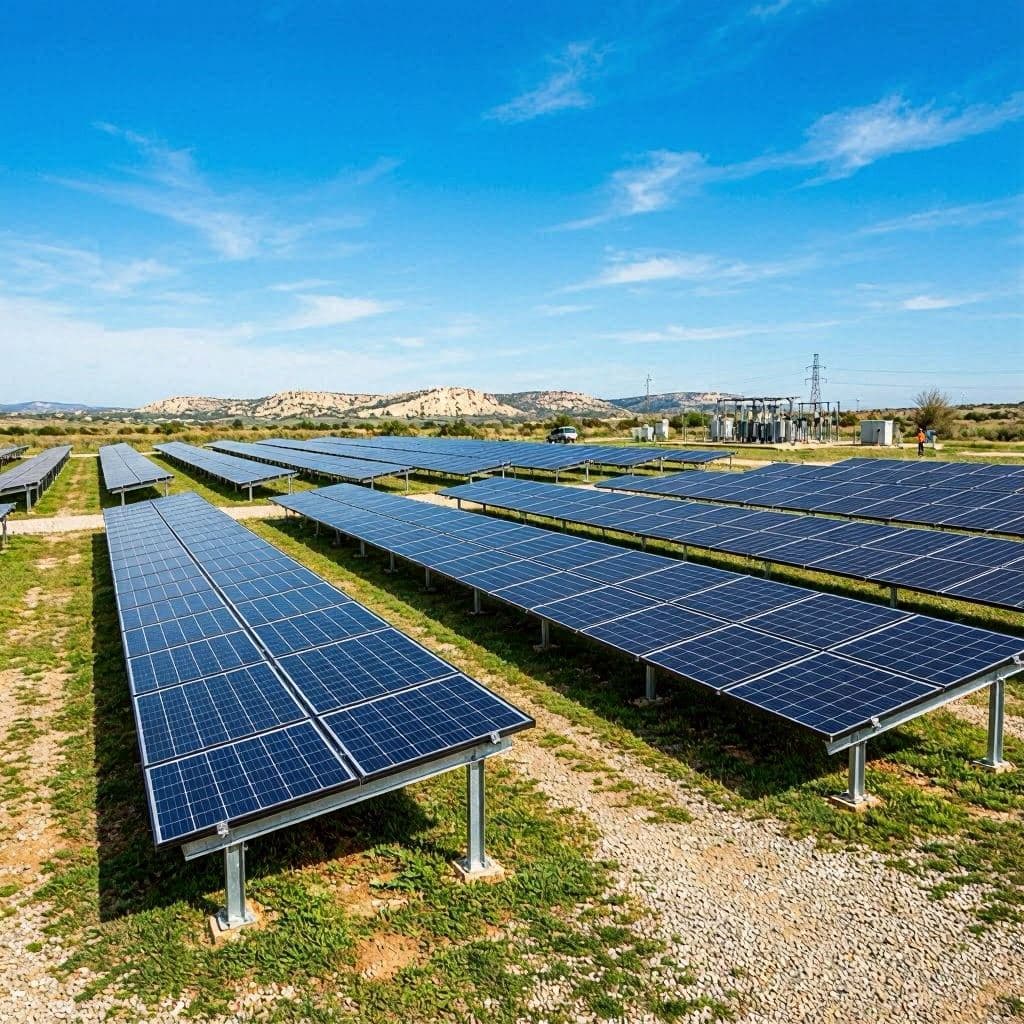
Key Highlights
- April marked a significant milestone in the U.S. energy sector as renewable sources gained prominence.
- States like Texas and California lead in wind and solar energy production, respectively.
- The transition to renewables faces challenges, including grid integration and storage solutions.
The energy landscape of the United States is undergoing a quiet but profound transformation, driven by the steady rise of renewable sources. In April, this shift reached a significant milestone, marking a turning point in the nation’s journey toward a cleaner, more sustainable future. The achievement is not just a statistical victory but a testament to the growing viability of wind, solar, and other green technologies in meeting the country’s power needs.
For decades, fossil fuels dominated the American energy mix, providing reliability but at a considerable environmental cost. The recent milestone signifies that renewables have moved from the margins to the mainstream, capable of contributing substantially to the grid. This progress is the result of years of investment, policy support, and technological innovation, reflecting a collective commitment to reducing carbon emissions and combating climate change.
The growth has been particularly strong in states with abundant natural resources, such as Texas for wind and California for solar. These regions have become hubs of renewable energy production, driving down costs and creating jobs. The economic benefits are becoming increasingly clear, with renewable projects attracting billions in private investment and stimulating local economies. It is a win-win scenario that aligns environmental goals with economic prosperity.
However, the transition is not without its challenges. Integrating variable energy sources like wind and solar into the grid requires advanced storage solutions and infrastructure upgrades. Issues of transmission capacity and reliability must be addressed to ensure that the power supply remains stable during periods of low generation. The milestone in April is a cause for celebration, but it also highlights the work that remains to be done.
Policy plays a crucial role in sustaining this momentum. Federal incentives, such as tax credits and grants, have encouraged developers to invest in renewable projects. State-level mandates for clean energy have also driven demand. Continued political support will be essential to maintain the pace of growth and to navigate the regulatory hurdles that can slow down project development.
Public opinion has largely shifted in favor of renewable energy, with many Americans recognizing the benefits of cleaner air and energy independence. This social license to operate allows utilities and policymakers to pursue ambitious goals with greater confidence. The milestone in April reflects this broader societal consensus, showing that the demand for green energy is both economic and ethical.
Looking ahead, the focus will likely shift to scaling up storage capabilities and improving grid flexibility. Innovations in battery technology and smart grid management will be key to unlocking the full potential of renewables. The milestone is not the finish line but a checkpoint in a longer journey toward a fully decarbonized energy system.
In the end, the April milestone is a beacon of progress. It reminds us that change is possible when technology, policy, and public will align. The U.S. renewable boom is not just a trend; it is a fundamental restructuring of how we power our lives. As we move forward, the hope is that this momentum continues, leading to a future that is both prosperous and sustainable.
Published by Banx Network. This article is part of the Banx decentralized media programme, powered by the BXE token on the XRP Ledger.



