
Key Highlights
- Modernization of Danube ports in Serbia is ahead of schedule.
- New terminal facilities expected to open by year-end.
- Significant investment from European development banks enhances trade capacity.
The Danube River, often referred to as the lifeblood of Central and Eastern Europe, is undergoing a significant transformation as Serbia embarks on a modernization project for its river ports. This initiative is not merely about upgrading infrastructure; it represents a strategic effort to align the historical significance of the river with the demands of contemporary trade and environmental standards. The Serbian Ministry of Construction, Transport, and Infrastructure has confirmed that the modernization is progressing ahead of schedule, with new terminal facilities anticipated to open by the end of the year.
The Danube has long served as a vital artery for commerce, connecting various nations and cultures. As the river flows through Serbia, it has witnessed the rise and fall of empires, and now it stands at the forefront of a new era of economic opportunity. The modernization efforts aim to enhance the Trans-European Transport Network, facilitating smoother trade routes and increasing cargo capacity. This is particularly crucial as Europe seeks to strengthen its internal market and improve logistical efficiency.
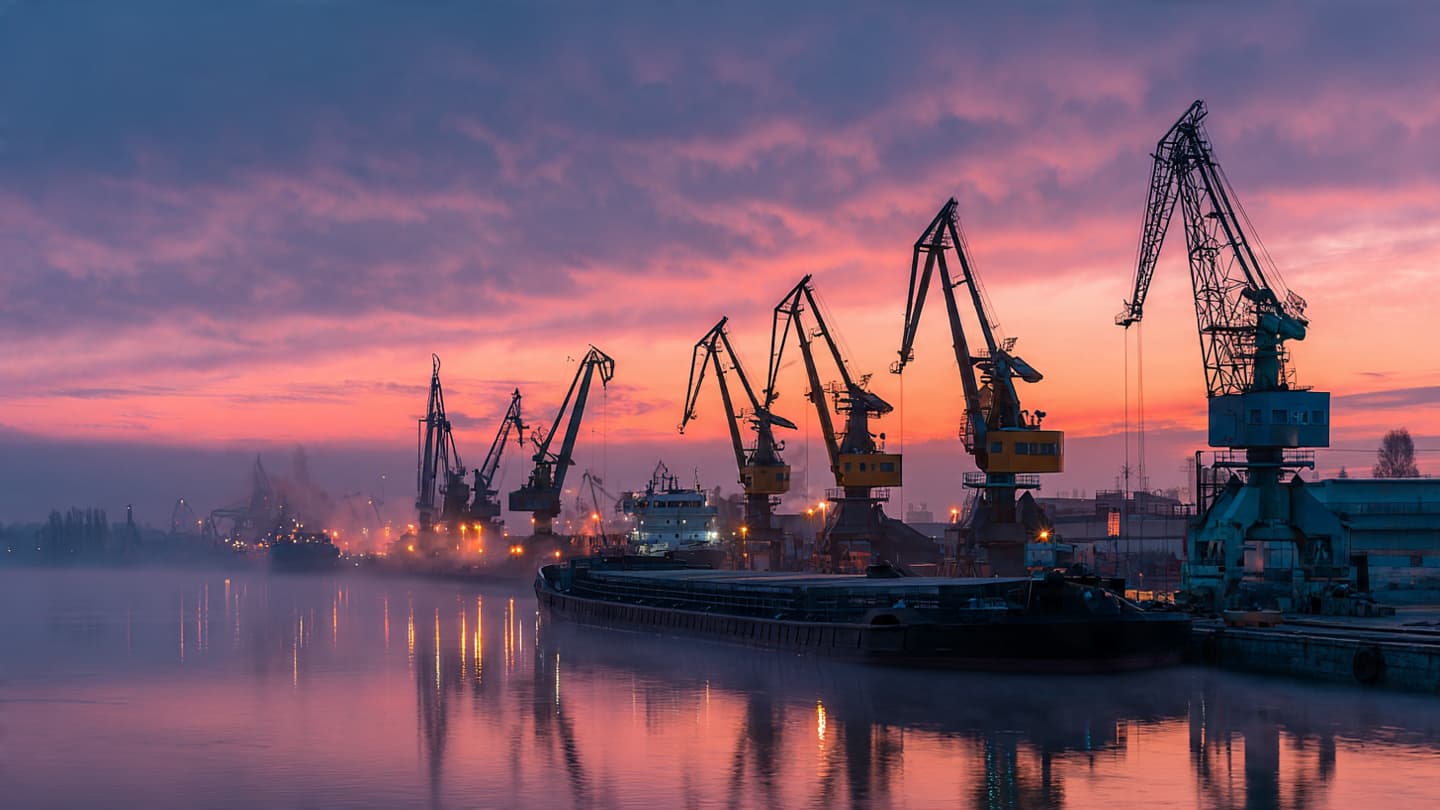
The construction sites along the Danube are bustling with activity, where workers are diligently transforming the landscape. The sound of machinery and the sight of new docks taking shape signal a commitment to the future. These ports, once characterized by rusted cranes and outdated facilities, are being reimagined as hubs of high-tech efficiency. This transformation is not just about physical upgrades; it reflects a broader vision of integrating modern technology with the natural beauty of the river.
Environmental considerations are also at the forefront of this modernization project. Officials emphasize that the upgrades will incorporate new environmental protection standards aimed at preserving the delicate ecosystem of the Danube. This dual focus on economic growth and ecological sustainability is essential, as the river has historically been a source of life for the communities that line its banks. The modernization efforts are designed to ensure that the river continues to thrive, even as it adapts to the needs of a changing world.
As the sun sets over the Danube, the construction lights illuminate the riverbank, creating a striking contrast between the old and the new. This moment of reflection highlights the cyclical nature of human endeavor, where progress is intertwined with respect for history. The Danube remains a constant presence, a reminder of the enduring relationship between humanity and nature. The modernization of the ports is not just a chapter in a construction project; it is a narrative of resilience, adaptation, and hope for the future.
In conclusion, the modernization of the Danube ports in Serbia represents a significant step forward in enhancing trade and connectivity while honoring the river's historical legacy. With substantial investments from European development banks and a commitment to environmental protection, this initiative is poised to redefine the role of the Danube in the region's economic landscape. As the river continues its journey toward the Black Sea, it carries with it the promise of progress and the fruits of human labor, ensuring that it remains a vital artery for generations to come.
Published by Banx Network. This article is part of the Banx decentralized media programme, powered by the BXE token on the XRP Ledger.



