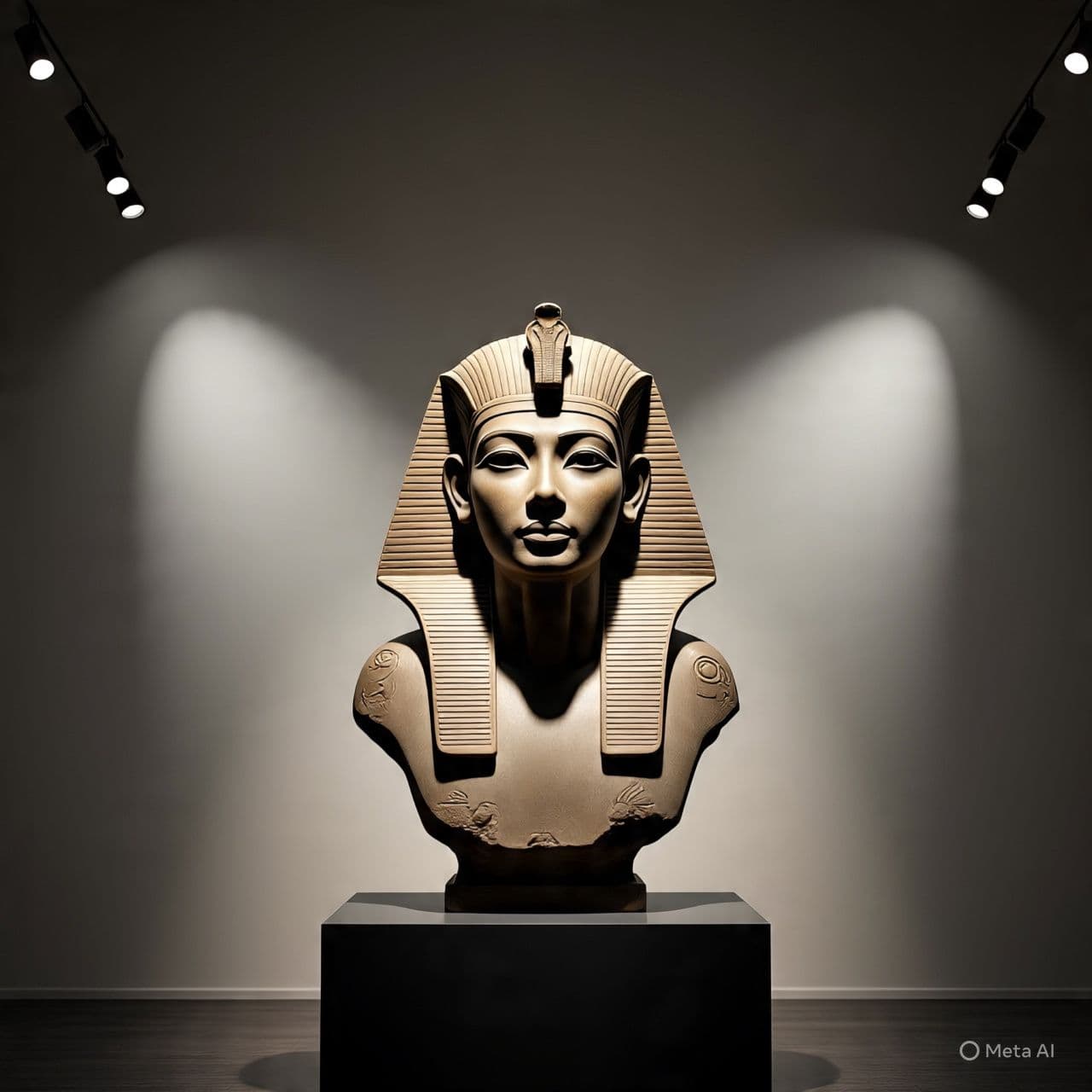
Some objects feel too old to belong to anyone, and yet they do.
A 3,500-year-old carved bust — of a high official who served under Pharaoh Thutmose III — will be traveling back from the Netherlands to Egypt, after being held for decades in European hands.
This is not an isolated gesture. This is becoming a *movement*.
Countries that once accumulated antiquities through colonial extraction, opaque markets, or weak provenance standards are now confronting a new norm: that cultural heritage is not a collectible — it is evidence.
Evidence of identity, evidence of history, evidence of power.
And the custodianship of that evidence is becoming increasingly political. Repatriation is now a diplomatic vector. It can be a soft-power offering. It can be a reputational cleansing. It can be an ethical pivot to align with the future instead of defending the past.
Egypt, like Greece, Nigeria, and others, has learned how to push. And European states are learning how to yield — not in shame necessarily, but in recognition that ownership is narrative, and the narrative has changed.
We are living through a structural inversion of museum logic.
The 20th century believed: “if we hold it here, we preserve it.” The 21st century responds: “if we return it, we dignify it.”
In the end, it is not about where the object sits. It is about who speaks for its story.
And the act of sending this bust home is not simply logistics. It is a transfer of narrative sovereignty — back to the soil that created it.
Published by Banx Network. This article is part of the Banx decentralized media programme, powered by the BXE token on the XRP Ledger.