
Key Highlights
- Ancient Bust:A 3,500-year-old bust of a high official is returning to Egypt.
- Cultural Movement:Repatriation of artifacts is becoming a global trend.
- Narrative Sovereignty:The return signifies a shift in ownership narratives.
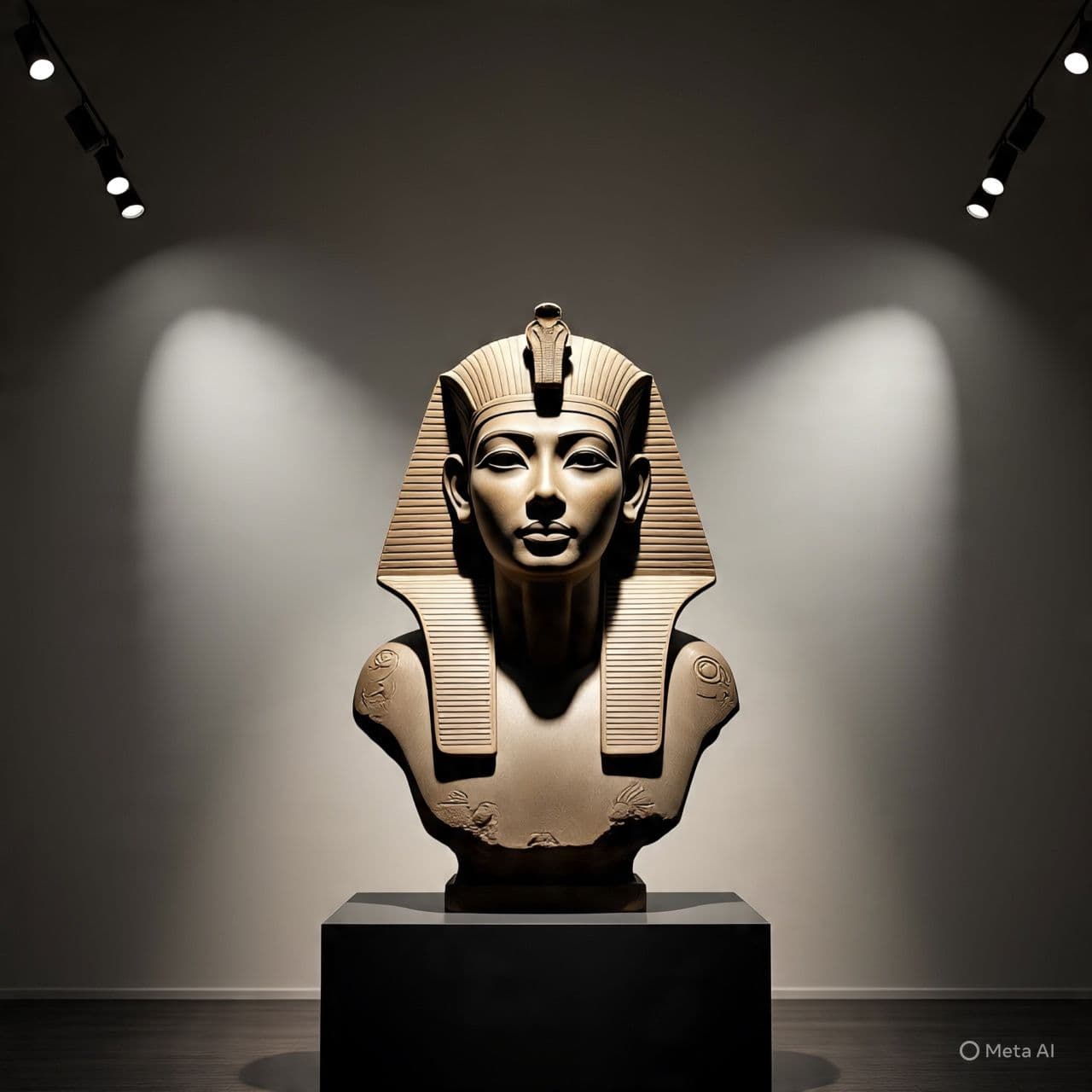
The recent decision to return a 3,500-year-old carved bust of a high official from the era of Pharaoh Thutmose III back to Egypt marks a significant moment in the ongoing dialogue surrounding cultural heritage and repatriation. This bust, which has been held in the Netherlands for decades, is not merely an artifact; it represents a broader movement towards recognizing the importance of cultural identity and historical context in the ownership of antiquities.
This movement is gaining momentum as countries that once acquired artifacts through colonial practices or questionable provenance are now reevaluating their roles as custodians of cultural heritage. Nations like Egypt, Greece, and Nigeria are increasingly vocal about their claims to these artifacts, pushing for their return as a matter of national pride and historical justice. The act of repatriation is evolving into a diplomatic tool, allowing countries to engage in soft power dynamics while also addressing past injustices.
The shift in perspective regarding cultural artifacts is profound. In the 20th century, the prevailing belief was that holding artifacts in Western museums preserved them for future generations. However, the 21st century is witnessing a paradigm shift where the focus is on returning these items to their places of origin. This change is not merely logistical; it represents a transfer of narrative sovereignty back to the cultures that created these objects. It emphasizes that the significance of an artifact lies not just in its physical presence but in the stories and histories it embodies.
As European states begin to yield to these demands, the conversation around ownership is becoming increasingly complex. It is no longer just about possession; it is about who gets to tell the story of these artifacts. The return of the bust to Egypt is a powerful statement that acknowledges the importance of cultural heritage and the need to rectify historical wrongs. It is a recognition that artifacts are not mere collectibles but are deeply intertwined with identity, history, and power.
The implications of this movement extend beyond the return of individual artifacts. It challenges museums and institutions to reconsider their roles in the preservation and presentation of cultural heritage. As more countries advocate for the return of their cultural treasures, the global art community must grapple with the ethical dimensions of ownership and the responsibilities that come with it.
In conclusion, the repatriation of the carved bust is a significant step in a larger movement towards recognizing the importance of cultural heritage and the need for ethical stewardship of artifacts. It serves as a reminder that the past is not just a collection of objects but a living narrative that continues to shape identities and histories today. The act of returning this bust is not just about logistics; it is about restoring dignity and honoring the stories that these artifacts carry.
Published by Banx Network. This article is part of the Banx decentralized media programme, powered by the BXE token on the XRP Ledger.



