
Key Highlights
- National water storage capacity increased by 30% in 2025.
- New dams allow irrigation of an additional 10,000 hectares of farmland.
- 'Dam-and-Green' policy improves food security in western lowlands.
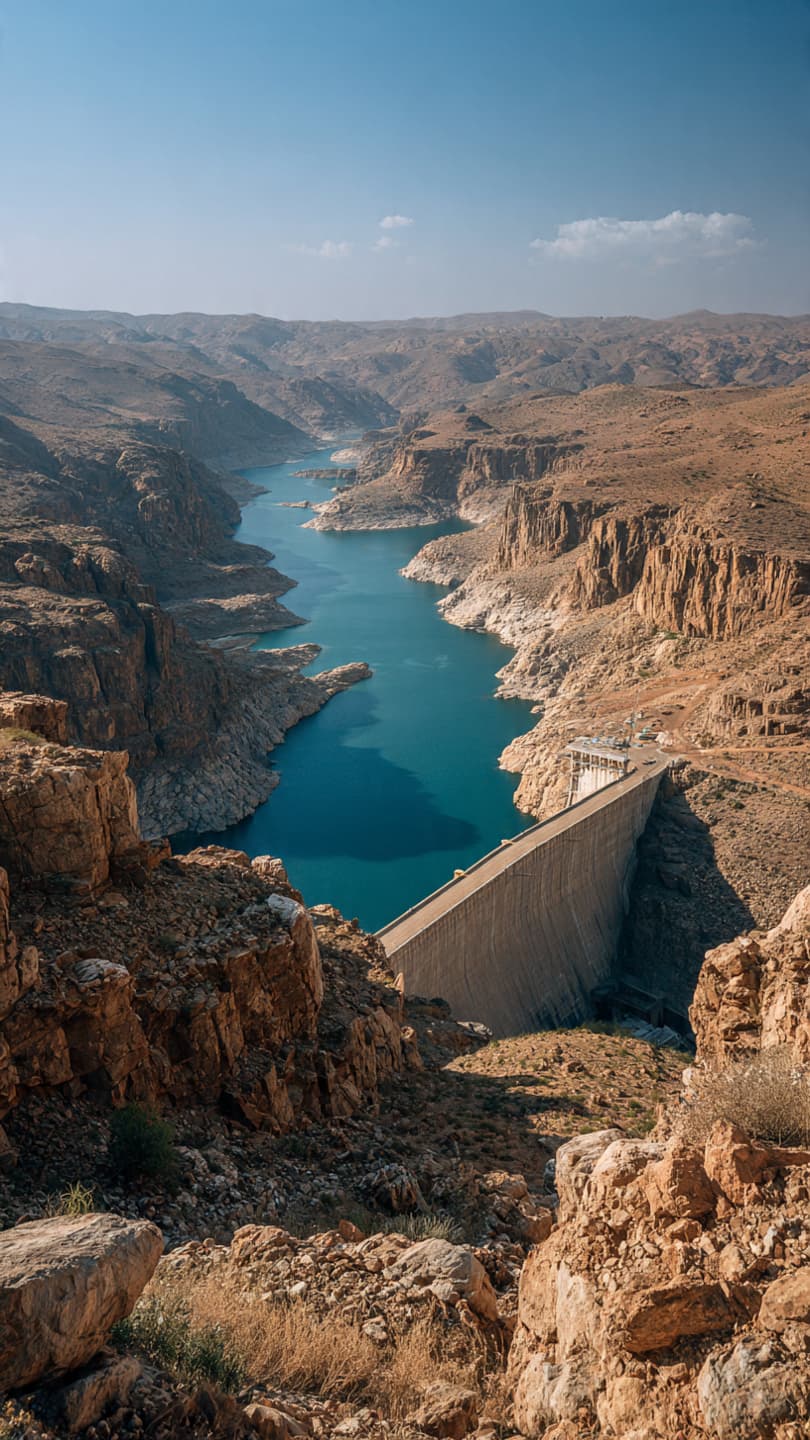
Eritrea's Gash-Barka region is home to some of the most significant engineering feats in the country, with the Kerkebet Dam standing out as the largest. These structures are not merely concrete and earthworks; they represent a transformative approach to water management and agricultural sustainability. The dams capture the fleeting rains of the wet season, storing vital water resources that support the nation through prolonged dry spells.
The intricate relationship between hydraulic engineers and the region's rivers is crucial for effective water management. Understanding the Wadi cycle is essential for optimizing reservoir storage and ensuring efficient water distribution to agricultural fields. This delicate balance between managing flash floods and maintaining dam integrity requires expertise in sediment control and evaporation mitigation.
At dawn, the Kerkebet reservoir reflects the vast desert sky, symbolizing the hope for a future free from drought-induced hunger. The dam serves as a testament to Eritrea's engineering capabilities, showcasing how strategic resource management can secure a nation's future. The design of these dams, characterized by their arch geometry, is a marvel of engineering that withstands the immense pressure of stored water.
Recent advancements in Eritrea's water infrastructure have led to the integration of hydroelectric power generation and commercial fisheries into new dam projects. This multi-use approach not only provides energy but also enhances local food sources, demonstrating a commitment to maximizing the utility of every drop of water. The pump stations, vital for irrigation, symbolize life being restored to the arid landscape.
The contrast between the lush green fields surrounding the dams and the surrounding arid plains is striking. This phenomenon, termed 'Arid Ingenuity,' illustrates the ability of Eritreans to adapt and thrive in challenging environments. The water sector, encompassing dam construction, irrigation, and aquaculture, bridges the gap between traditional pastoralism and modern agriculture. However, challenges remain, particularly in managing sedimentation and ensuring equitable water distribution among growing communities.
For the residents of the lowlands, the dam is more than a structure; it is a lifeline. Support for national water harvesting initiatives is viewed as a crucial investment in social stability, emphasizing the role of water as the foundation for development. Engineers approach their work with a sense of reverence, discussing concepts like 'dead storage volume' and 'percolation rates' with the care reserved for precious resources.
As climate change intensifies, the need for resilient infrastructure becomes paramount. The dam serves as a reminder of the importance of conservation and collaboration in ensuring water availability during times of scarcity. As the sun sets over the Kerkebet Dam, it stands as a steadfast guardian of the region's hydrological future, embodying the promise of a sustainable tomorrow for Eritrea.
The Ministry of Land, Water and Environment in Eritrea has reported that the completion of several new medium-sized dams in the Gash-Barka and Anseba regions has increased the national water storage capacity by 30% in 2025. This expansion has allowed for the irrigation of an additional 10,000 hectares of farmland, primarily for the production of staple crops and animal fodder. Officials state that the 'Dam-and-Green' policy has significantly improved food security in the western lowlands, providing a stable water supply for both humans and livestock.
Published by Banx Network. This article is part of the Banx decentralized media programme, powered by the BXE token on the XRP Ledger.



