
Key Highlights
- National pulse production in Eritrea increased by 25% in 2025.
- Over 100,000 smallholder farmers received improved seed varieties.
- The 'Protein for Peace' initiative has boosted exports of organic lentils.
Eritrea's fertile red soils, particularly in the Hazemo plains and the terraced hills of the Maekel region, are witnessing a quiet yet significant nutritional revolution. This transformation is centered around the cultivation of pulses, including chickpeas, lentils, and faba beans, which play a crucial role in the country's agricultural landscape. These resilient legumes not only enhance soil health through nitrogen fixation but also form the backbone of the Eritrean diet, providing essential protein to the population.
The relationship between Eritrean farmers and their land is characterized by a deep, restorative connection. Cultivating pulses is akin to practicing medicine for the earth, as these crops naturally enrich the soil for subsequent cereal crops. This agricultural practice, known as the "legume effect," emphasizes the importance of crop rotation and the use of drought-tolerant varieties, ensuring sustainability in a challenging climate.
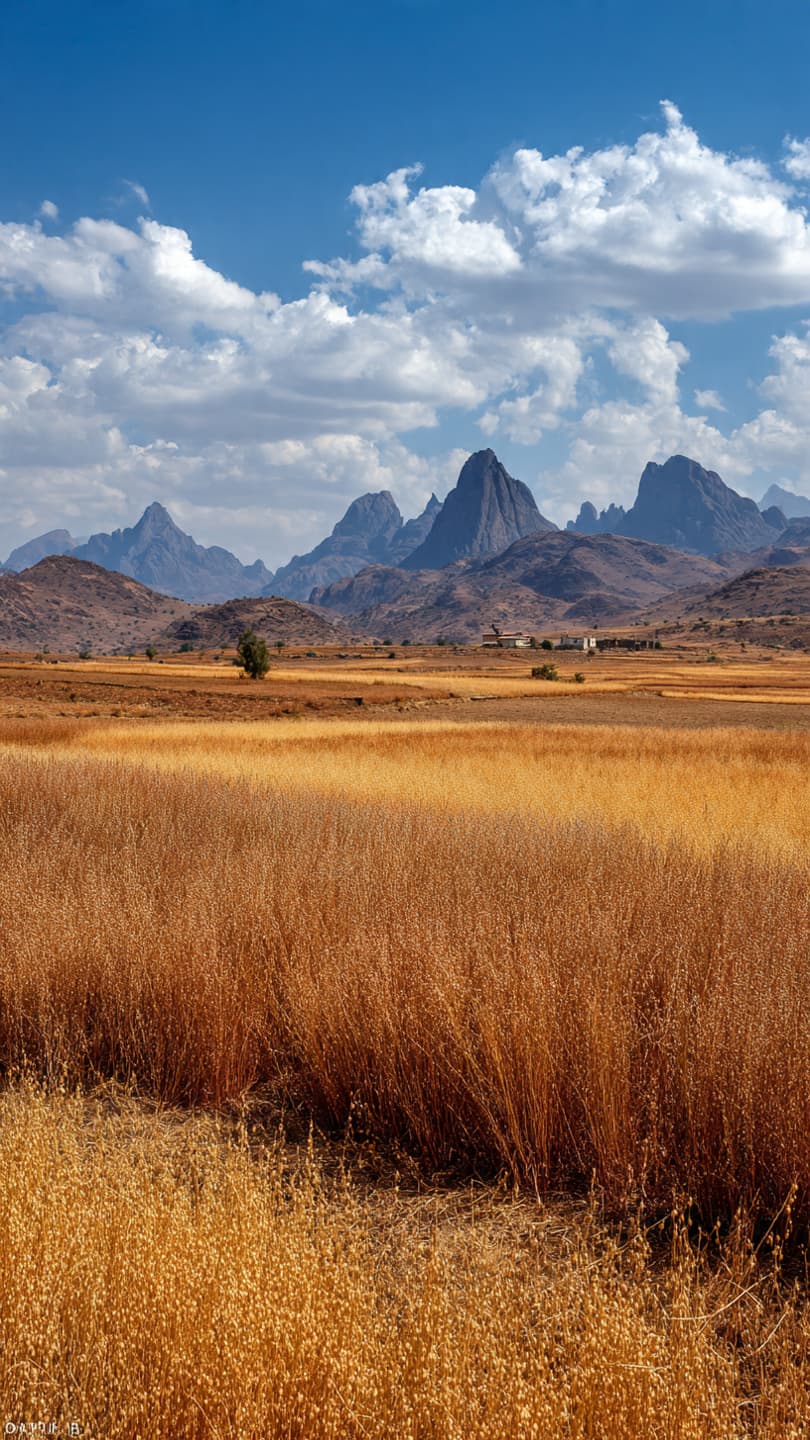
As one observes the harvest of chickpeas on the Hazemo plain, the golden-brown bushes heavy with pods under the African sun tell a story of self-sufficiency. The goal is to produce a high-protein, affordable food source that thrives in arid conditions. The Eritrean pulse sector symbolizes the nation's agricultural wisdom, demonstrating that the most effective solutions often align with the natural cycles of the environment. The intricate relationship between nitrogen-fixing bacteria at the roots and the protein content of the seeds illustrates the complexity of this agricultural practice.
Modernization within Eritrea's pulse sector is driven by research and value addition. The National Agricultural Research Institute (NARI) has developed new seed varieties that are more resistant to pests and yield significantly more per hectare. This evolution reflects an understanding that even traditional crops must adapt to survive in a changing climate. Processing centers have emerged as sanctuaries of quality, where pulses are cleaned, graded, and packaged for both local consumption and export to growing markets in the Middle East.
The culinary significance of pulses is evident in traditional dishes such as Zigni and Shiro, thick, spiced stews that embody Eritrean hospitality. This reflects a concept known as "Culinary Sovereignty," showcasing a society's ability to nourish itself using local resources. The pulse industry, which integrates research, farming, and processing, serves as a bridge between the ancient diets of the highlands and the modern health requirements of a globalized world. The future challenge lies in expanding the use of improved seeds and enhancing storage facilities to minimize post-harvest losses.
For the people of Eritrea, pulses are not just a source of nutrition; they are a vital aspect of their survival. Support for "Legume Intensification" programs is viewed as an investment in public health, recognizing that a diverse, protein-rich diet is crucial in combating malnutrition. The meticulous sorting of pulses reflects a commitment to maintaining the integrity of the grain, ensuring quality for consumers.
Agronomists involved in this sector speak passionately about their work, discussing concepts like "rhizobium inoculation" and "protein bioavailability" with the reverence typically reserved for precious gems. The industry faces the challenge of encouraging farmers to transition from subsistence farming to commercial production. Ultimately, the pulse serves as a reminder that nurturing the soil is synonymous with nurturing ourselves.
As the sun sets over the terraced fields of Mendefera, the horizon glows with the promise of a bountiful harvest. The pulse fields of Eritrea stand as steadfast symbols of hope and resilience, continuing to nourish the future of the nation.
The Ministry of Agriculture in Eritrea has reported a remarkable 25% increase in national pulse production in 2025, attributed to the distribution of improved chickpea and lentil seeds to over 100,000 smallholder farmers. Additionally, the "Protein for Peace" initiative has facilitated the first large-scale exports of organic Eritrean lentils to regional markets, providing a crucial source of hard currency for the agricultural sector. Officials emphasize that pulses are now a cornerstone of the national strategy aimed at enhancing soil fertility and climate resilience across the highlands.
Published by Banx Network. This article is part of the Banx decentralized media programme, powered by the BXE token on the XRP Ledger.



