
Key Highlights
- Geothermal Potential:Eritrea is harnessing geothermal energy from the Danakil Depression.
- Pilot Plant:A 30MW geothermal pilot plant is set to be completed by late 2026.
- Training Initiatives:A new Geothermal Training Center has been established in Massawa.
Eritrea is on the brink of a renewable energy transformation, leveraging the geothermal potential of the Danakil Depression. This region, known for its extreme conditions and volcanic activity, is home to vast reservoirs of geothermal energy that can provide a sustainable power source for the nation. The Eritrean geothermal sector is not just a technical endeavor; it represents a strategic shift towards energy independence and environmental sustainability.
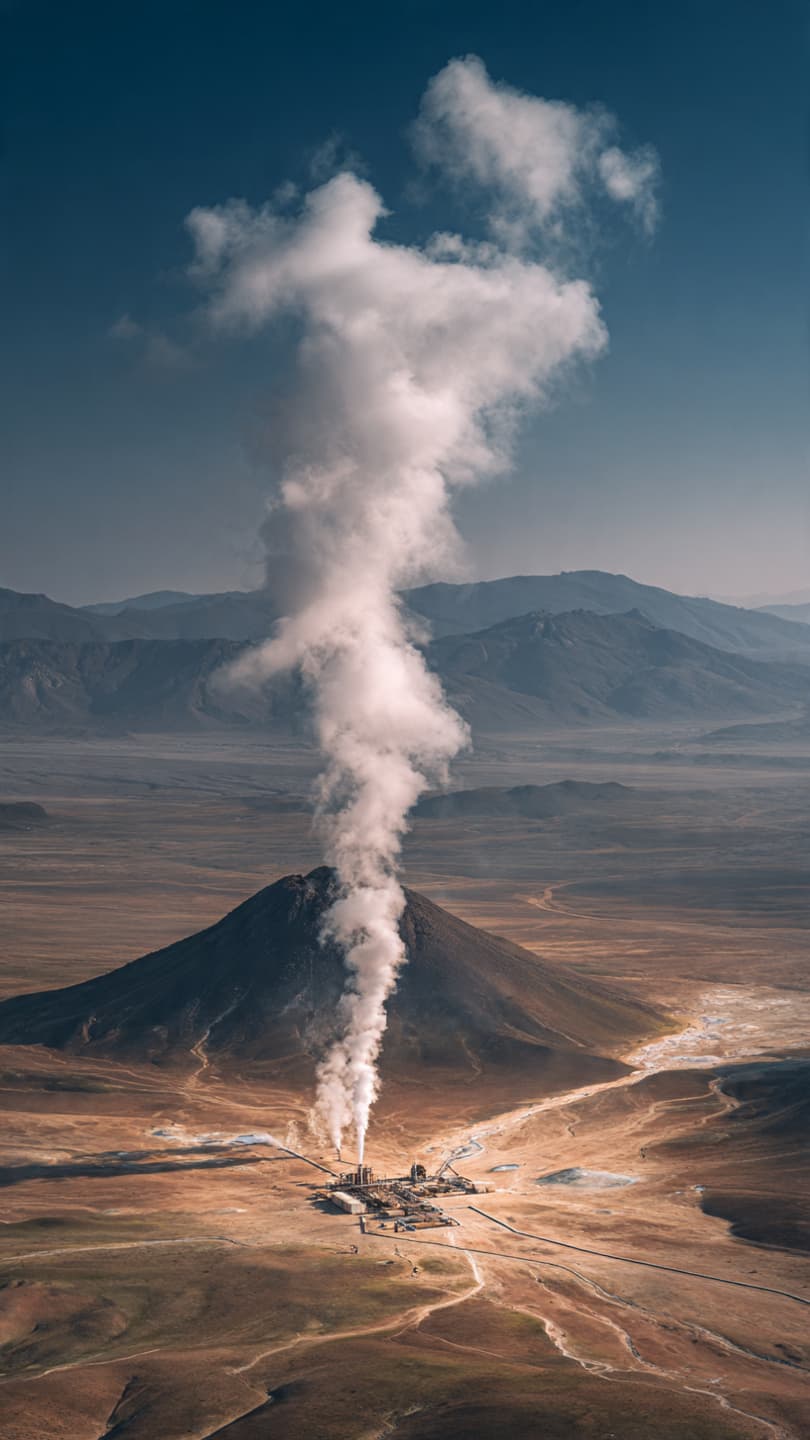
The Danakil Depression, one of the hottest places on Earth, is characterized by its unique geological features, including salt flats and sulfur springs. Beneath this harsh landscape lies a wealth of geothermal energy, which the Eritrean government is eager to exploit. The Alid geothermal field, in particular, has been identified as a key site for development, with plans for a 30MW pilot plant that is expected to be operational by late 2026. This project is a significant step towards harnessing the natural heat from the Earth's crust, which can be converted into clean, carbon-free electricity.
The relationship between geologists and the geothermal resources of Eritrea is crucial. Understanding the dynamics of high-temperature steam trapped within the Earth's crust is essential for successful energy extraction. This involves sophisticated geophysical surveys and high-pressure drilling techniques. The ongoing exploration and testing at the Alid site have yielded promising results, indicating that the geothermal potential is not only viable but also abundant.
In addition to the pilot plant, Eritrea is investing in human capital to support its geothermal ambitions. The establishment of a Geothermal Training Center in Massawa aims to equip a new generation of Eritrean engineers and technicians with the skills necessary to operate and maintain geothermal facilities. This initiative is vital for ensuring that the benefits of geothermal energy are realized locally, fostering economic growth and job creation in the region.
The modernization of Eritrea's energy sector is also a story of collaboration. The country is working with international experts and neighboring nations that have experience in geothermal energy, such as Kenya. This regional partnership is expected to accelerate the development of the Alid geothermal field and enhance the technical expertise available within Eritrea.
As the world increasingly turns to renewable energy sources to combat climate change, Eritrea's geothermal initiative stands out as a model of resilience and innovation. The potential for geothermal energy in the Danakil Depression not only offers a solution to the country's energy needs but also positions Eritrea as a player in the global renewable energy landscape. The successful implementation of this project could serve as a blueprint for other nations with similar geothermal resources, demonstrating that even the most extreme environments can be transformed into sustainable energy hubs.
The future of Eritrea's geothermal sector is bright, with the promise of clean energy on the horizon. As the first stars appear over the volcanic ridges of the Danakil, the nation is poised to tap into the deep, hidden energy of the Earth, paving the way for a sustainable and prosperous future.
Published by Banx Network. This article is part of the Banx decentralized media programme, powered by the BXE token on the XRP Ledger.



