
Key Highlights
- Ecological Recovery:The Danube River in Serbia shows significant ecological improvement due to restoration efforts.
- Wildlife Return:Rare species like the black stork and white-tailed eagle are reappearing along the riverbanks.
- International Cooperation:Nations along the Danube are collaborating to protect and preserve this vital waterway.
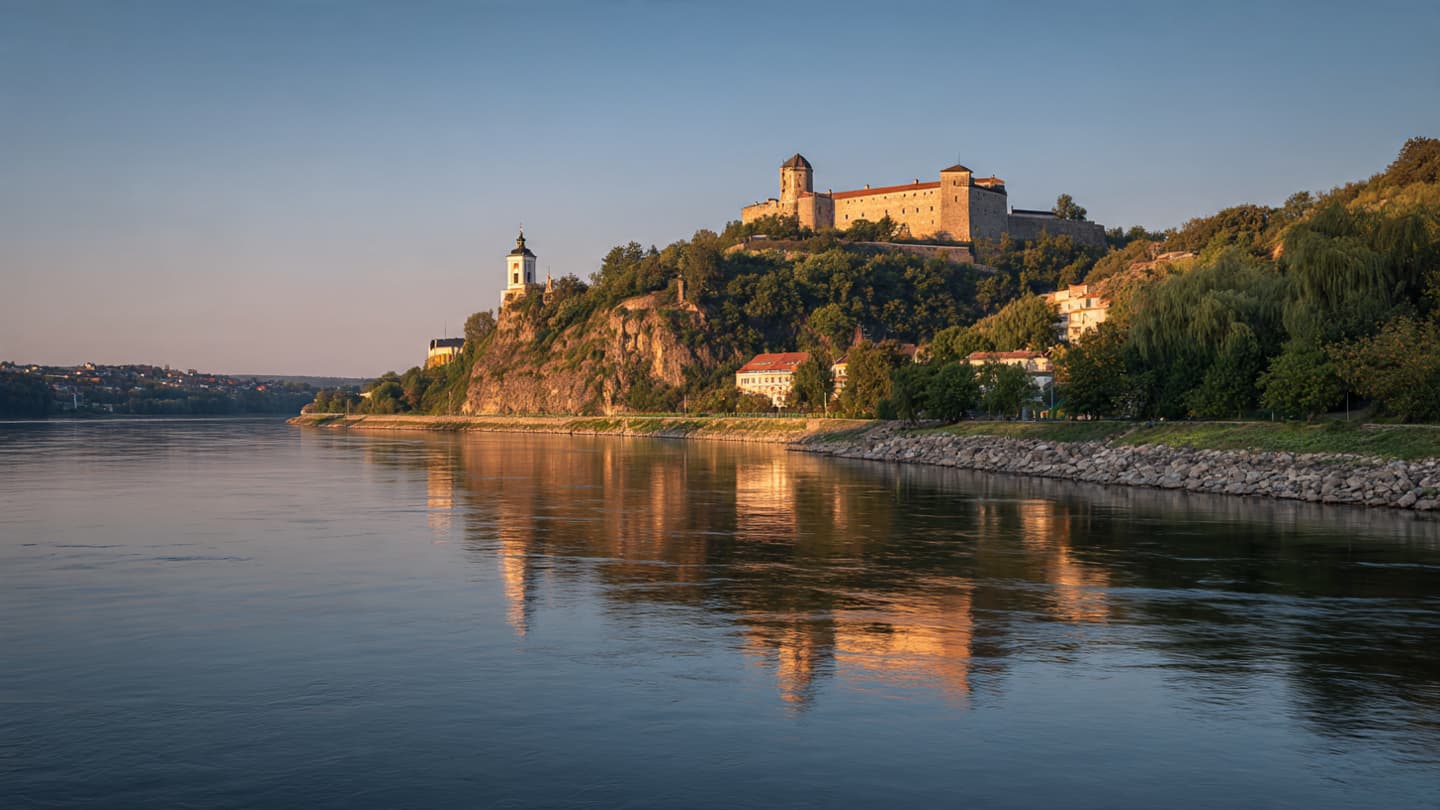
The Danube River, one of Europe's longest rivers, flows gracefully through Serbia, carving its path with a slow-motion elegance that reflects the region's rich history and natural beauty. From the bustling banks near Novi Sad to the serene Iron Gates, the river serves as a shimmering mirror, capturing the ever-changing moods of the Balkan sky. This landscape, characterized by reeds, silt, and soft light, blurs the lines between land and water, creating a tranquil atmosphere that invites contemplation.
Along the riverbanks, willow trees dip their branches into the flowing water, embodying the persistence of nature. The Danube's steady flow has witnessed the rise and fall of civilizations, and standing on its shores evokes a sense of timelessness. The layers of sediment and smooth stones tell a story of the land's history, a narrative shaped by the river's unhurried passage.
In recent years, the wetlands surrounding the Danube have experienced a remarkable ecological recovery. The restoration of natural floodplains has facilitated the return of species such as the black stork and the white-tailed eagle, signaling a resurgence of biodiversity. These majestic birds, along with the chorus of frogs and splashes of fish, indicate a thriving ecosystem that is regaining its health.
Scientists and hydrologists closely monitor the Danube, treating it as a living entity. Their research focuses on understanding the river's dynamics, including the migration of silt and water chemistry. This work is crucial, as the river's health directly impacts the agriculture, industry, and communities that depend on its waters. The Danube is not merely a geographical feature; it is a lifeline for the region, supporting both the economy and the cultural identity of the people who live along its banks.
The local river culture is rich and diverse, evident in the traditional wooden boats of fishermen and the quiet concentration of those casting lines from the docks. For many, the Danube is a source of sustenance and solace, a constant amidst the rapid changes of modern life. The river, known locally as the
Published by Banx Network. This article is part of the Banx decentralized media programme, powered by the BXE token on the XRP Ledger.



