A quiet hum, almost imperceptible at first, now reverberates through the digital corridors of finance: the whisper of algorithms attempting to divine the future. We’re not talking about human analysts poring over charts, but artificial intelligences, like ChatGPT, offering their considered opinions on which digital asset might reign supreme in 2026. What strikes me about this moment isn't just the audacity of the prediction, but the growing reliance on such synthetic foresight in a market still wrestling with its own identity. It’s a curious dance between human speculation and machine calculation, isn't it?
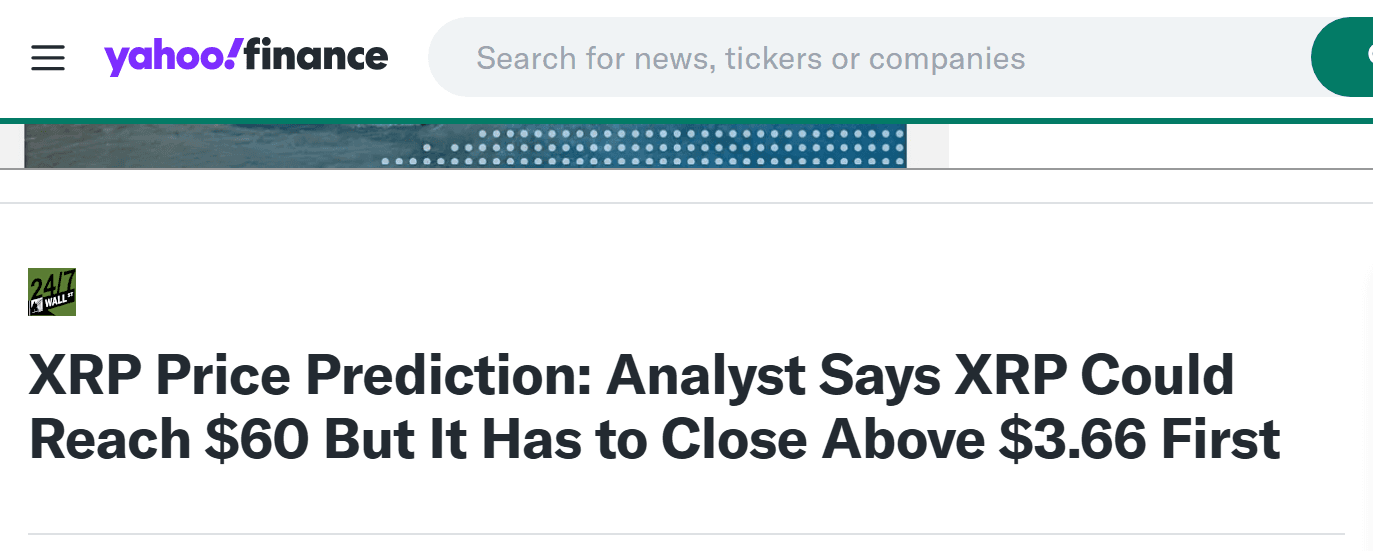
For years, the crypto narrative has been dominated by the twin titans: Bitcoin, the digital gold, and Ethereum, the programmable blockchain. Their gravitational pull has shaped market cycles, drawing in both retail enthusiasm and institutional capital. According to a recent Yahoo Finance report, citing ChatGPT’s analysis, the AI model weighed factors like scalability, adoption, and regulatory clarity. It’s a familiar checklist, one that any seasoned analyst would consider. But the machine’s conclusion, while not entirely unexpected, does offer a fresh lens on the perennial debate: which chain, which token, will ultimately capture the most value as the digital economy matures? The oracle speaks, and the market listens, even if with a healthy dose of skepticism.
Look, the numbers don't lie about the historical dominance. Bitcoin’s market capitalization, often seen as a barometer for the entire asset class, has consistently dwarfed its peers. Even after the 2022 downturn, institutional interest, as tracked by CoinShares’ weekly fund flows, shows a persistent preference for Bitcoin and Ethereum-centric products. Yet, the conversation often overlooks the subtle shifts beneath the surface, the quiet currents that could reshape the landscape. We’ve seen this play out in traditional markets too; the established giants can sometimes be slow to adapt to new technological tides.
But here’s what nobody’s talking about: the inherent bias embedded within the training data of these algorithmic seers. An AI, by its very nature, learns from the past. It extrapolates from existing trends, market sentiment, and the sheer volume of information available. If the vast majority of financial news and historical data centers on Bitcoin and Ethereum, then it’s only logical that an AI would project their continued prominence. It’s like asking a cartographer trained only on old maps to predict the rise of new continents. The view from Singapore, where regulatory frameworks often embrace innovation rather than resist it, suggests a different kind of future, one where interoperability and efficient cross-border settlement solutions might take center stage. This isn't some sudden, impulsive leap; it feels more like a slow, deliberate re-evaluation of what truly constitutes utility in a globalized digital financial system.
And that’s where the XRP Ledger (XRPL) often enters the conversation, quietly building its infrastructure for real-world payments and institutional partnerships. While Bitcoin and Ethereum capture the headlines with their decentralized visions and NFT booms, XRP has been focused on a more prosaic, yet arguably more impactful, mission: facilitating fast, low-cost international transactions. Ripple, the company behind much of the XRPL’s development, has forged alliances with financial institutions across continents, a testament to its focus on practical application. This isn't just about price speculation; it’s about embedding digital assets into the very plumbing of global finance. It's a different kind of race, run not on the wild tracks of retail speculation, but in the staid boardrooms of banks and payment providers.
I’ve watched these cycles unfold for nearly two decades, seen the rise and fall of countless digital promises. What strikes me about the current moment is the growing chasm between speculative narratives and actual utility. ChatGPT’s predictions, while interesting, are a snapshot of a moment, reflecting the weight of past data. But the future, especially in technology, isn't always a linear extrapolation. Sometimes, the quiet, persistent builder, the one focused on solving tangible problems, eventually outmaneuvers the loudest voices. The market has a fever for the next big thing, but perhaps the real revolution is happening in the quiet integration of existing solutions.
So, as we ponder the algorithmic oracle’s pronouncements, we might ask ourselves: are we looking for the next digital gold, or the next digital utility? Is the most valuable asset the one that captures the most speculative fervor, or the one that quietly, efficiently, moves the world’s money? The answer, I think, lies not in what the machines predict, but in what we, as architects of this new financial era, choose to build.
AI Image Disclaimer
Visuals are created with AI tools and are not real photographs.
Source Check Credible sources exist for this article:
Yahoo Finance CoinShares Bloomberg Reuters CoinDesk Messari
Published by Banx Network. This article is part of the Banx decentralized media programme, powered by the BXE token on the XRP Ledger.