Ageing Has Always Been Humanity's Final Biological Limit
Humanity has become extraordinarily good at preventing premature death.
We defeated or controlled many infectious diseases.
We developed antibiotics.
We improved sanitation.
We learned how to treat heart disease.
We developed vaccines.
We created increasingly sophisticated surgical techniques.
Average human life expectancy has risen dramatically over the past century.
Yet one problem remains.
Ageing itself.
The older we become, the more likely we are to develop cardiovascular disease, cancer, neurodegenerative disorders, frailty and other chronic conditions.
This has traditionally led medicine to treat each disease separately.
But what if that approach is backwards?
What if many of these diseases share a deeper underlying cause?
What if the target is not Alzheimer's disease, heart disease or frailty individually—but the biological processes that make all of them more likely to occur?
That is the central idea behind geroscience.
The field investigates the mechanisms of ageing and asks whether modifying them could delay multiple age-related diseases simultaneously.
And that could represent one of the biggest changes in medicine since the discovery of antibiotics.
The Difference Between Lifespan and Healthspan
There is an important distinction.
Lifespan is how long you live.
Healthspan is how long you remain healthy, functional and independent.
The goal of modern longevity research increasingly focuses on the second.
Imagine two people who both live to 95.
Person A remains relatively healthy until 90, then experiences several years of severe disability.
Person B remains physically and cognitively capable until 92, followed by a short period of decline.
They have almost identical lifespans.
But their experiences of ageing are completely different.
The ageing revolution is therefore not necessarily about making humans live to 150.
It could be about shifting the period of illness and frailty much closer to the end of life.
That distinction is crucial.
Because extending life without extending health could simply mean extending the period during which people are sick.
The real objective is different:
More healthy years.
Why Do We Age?
Ageing is not caused by a single biological switch.
It is a complex process involving multiple interacting systems.
Researchers have identified a collection of biological mechanisms associated with ageing, including genomic instability, epigenetic alterations, mitochondrial dysfunction, cellular senescence, stem-cell exhaustion, chronic inflammation and problems with protein maintenance.
These processes interact.
Damage accumulates.
Cells become less efficient.
Repair systems become weaker.
Some cells enter a state known as senescence.
Stem cells become less capable of regenerating tissues.
The immune system changes.
Mitochondria become dysfunctional.
And inflammation can increase.
The result is not simply that we become older.
Our biological systems gradually lose their ability to maintain themselves.
That provides an intriguing possibility.
If ageing is driven by biological mechanisms, perhaps some of those mechanisms can be modified.
The Ageing Cell
One of the most interesting areas of research involves cellular senescence.
A senescent cell is essentially a cell that has stopped dividing but has not necessarily died.
This can be beneficial in certain circumstances.
Senescence can help prevent damaged cells from becoming cancerous.
But accumulation of senescent cells with age may contribute to inflammation and tissue dysfunction.
These cells can release signalling molecules that influence surrounding tissues.
Scientists are therefore investigating drugs called senolytics that selectively target and eliminate senescent cells.
Animal studies have produced encouraging results, and human studies are underway.
But the science remains early.
Researchers still need to establish which senescent cells should be removed, when they should be removed, how often treatment should occur and whether long-term intervention is safe.
The idea is nevertheless remarkable:
Instead of treating the consequences of ageing, remove some of the cells contributing to the ageing environment.
Could We Slow the Cellular Clock?
Another major area involves the mechanisms controlling cellular metabolism and growth.
One of the most studied pathways is mTOR, which helps regulate cell growth and nutrient availability.
The drug rapamycin inhibits mTOR signalling and has become one of the most extensively studied compounds in ageing research.
In animal models, rapamycin has repeatedly demonstrated lifespan and healthspan effects.
Researchers are now investigating whether carefully controlled modulation of this pathway could produce useful effects in humans.
Other compounds, including metformin, are also being investigated for potential effects on biological ageing.
But an important distinction must remain clear:
Promising results in animals do not automatically mean humans will live longer.
Human ageing is considerably more complicated.
Clinical trials must establish whether these interventions actually improve health outcomes and whether the benefits outweigh their risks.
Metformin and the Search for an Anti-Ageing Drug
Metformin is particularly interesting because it is already widely used in medicine.
It is primarily prescribed to control blood glucose.
But researchers have become interested in whether its effects on metabolism and cellular pathways could also influence aspects of ageing.
This has contributed to the broader concept of gerotherapeutics—interventions designed to target biological mechanisms associated with ageing.
The ambition is enormous.
Imagine a treatment that does not target one disease.
Instead, it modifies underlying biological processes that contribute to several age-related conditions.
A single intervention could potentially delay the onset of multiple diseases.
That is the promise.
The challenge is proving it.
Researchers continue to emphasise that evidence for many proposed anti-ageing interventions remains incomplete, particularly when it comes to long-term benefits and safety in humans.
What If We Could Reprogram Old Cells?
Perhaps the most futuristic area of longevity research involves cellular reprogramming.
Scientists discovered that certain transcription factors can reset cells toward a more youthful state.
This technology is associated with the work surrounding induced pluripotent stem cells and the so-called Yamanaka factors.
But completely reprogramming a mature cell can erase its identity.
A skin cell becomes something much closer to a pluripotent stem cell.
That is useful for regenerative medicine, but potentially dangerous if attempted indiscriminately inside a living organism.
The emerging concept is therefore partial reprogramming.
Instead of completely resetting the cell, researchers attempt to rejuvenate aspects of its biological state while preserving its identity.
Experiments in animals have produced striking findings.
Research published in Nature Aging has reported that partial reprogramming can improve the function of certain tissues in old mice, including changes within aged neural environments.
The concept is extraordinary:
What if ageing is partly reversible because cells retain information about their younger state?
The Epigenetic Clock
One of the reasons cellular reprogramming is so interesting is the concept of biological age.
Your chronological age is straightforward.
If you were born in 1993, you are a certain number of years old.
But your cells may not behave exactly like the cells of another person of the same chronological age.
Researchers have developed various biomarkers intended to estimate biological ageing, including epigenetic clocks based on patterns of DNA methylation.
These measurements are not yet a perfect universal definition of biological age.
But they give researchers another way to investigate whether an intervention is actually changing aspects of ageing biology.
That could become enormously important.
Instead of waiting decades to determine whether someone lives longer, researchers could potentially track biological markers that change over much shorter periods.
The ultimate challenge is proving that changes in these biomarkers reliably translate into better health and longer healthy lives.
Regenerative Medicine Could Change the Equation
Ageing is not just about cells.
Our organs also deteriorate.
Bones become weaker.
Muscle mass declines.
The immune system changes.
The heart and blood vessels accumulate damage.
The brain becomes more vulnerable to neurodegenerative disease.
Regenerative medicine could therefore become another pillar of longevity.
Stem-cell therapies, tissue engineering and eventually lab-grown replacement organs could allow damaged tissues to be repaired rather than simply managed.
Imagine a future in which an ageing heart could receive rejuvenated tissue.
Or a damaged liver could be partially regenerated.
Or a failing organ could be replaced with one grown from the patient's own cells.
This would not necessarily stop ageing.
But it could dramatically change what ageing means.
The End of Organ Shortages?
One of medicine's greatest limitations is the availability of donor organs.
People die while waiting for transplants.
Future biotechnology could potentially reduce that dependence.
Scientists are investigating organoids, tissue engineering, stem-cell-derived tissues and other approaches to regenerative medicine.
The long-term objective could be personalised replacement organs.
Your cells.
Your genetic information.
Your biological compatibility.
Your replacement tissue.
That could turn medicine from a system primarily focused on managing damaged organs into one increasingly capable of repairing and replacing them.
The Brain Is the Hardest Problem
The body may eventually become easier to repair.
The brain is different.
Ageing affects neurons, synapses, blood vessels, immune signalling and other components of the nervous system.
And the brain is not merely another organ.
It contains the structures underlying memory, personality, perception and consciousness.
A treatment that successfully regenerates muscle is one thing.
Rejuvenating the brain without disrupting the information that makes someone who they are is something else entirely.
This may ultimately become the defining challenge of radical longevity.
Can you make an old brain biologically younger without changing the person?
Could We Reverse Cognitive Ageing?
Partial cellular reprogramming research is beginning to explore this question.
In animal studies, researchers have investigated whether rejuvenating the cellular environment surrounding neural progenitors can restore aspects of youthful function.
A 2024 Nature Aging study reported that partial reprogramming improved aspects of the aged neurogenic niche in mice, restoring cell populations toward more youthful states.
That does not mean scientists can currently rejuvenate an elderly human brain.
They cannot.
But it demonstrates why the field has become so interesting.
The possibility is no longer purely theoretical at the level of cellular biology.
The challenge is turning these experimental findings into safe, controlled human therapies.
AI Could Accelerate the Ageing Revolution
Artificial intelligence may become one of the most important technologies in longevity research.
Ageing involves enormous amounts of biological information.
Genomes.
Proteins.
Metabolites.
Gene expression.
Cellular states.
Medical records.
Imaging.
Drug interactions.
AI systems can analyse relationships across datasets that would be extremely difficult for humans to process manually.
This could help researchers identify potential drug targets, predict molecular interactions and design experiments.
AI could also help identify combinations of interventions.
Instead of asking:
"Which drug treats ageing?"
researchers could eventually ask:
"Which combination of interventions targets the specific biological weaknesses of this individual?"
That would move longevity medicine toward a more personalised model.
The Future of Longevity Could Be Personalised
Imagine visiting a longevity clinic in 2045.
Instead of simply measuring your blood pressure and cholesterol, doctors might analyse hundreds or thousands of biological indicators.
Your immune profile.
Your epigenetic state.
Your metabolic health.
Your mitochondrial function.
Your inflammatory markers.
Your cardiovascular condition.
Your muscle quality.
Your cognitive performance.
Your biological-age indicators.
AI could combine these measurements into a personalised ageing profile.
The result might be something resembling a maintenance plan for the human body.
Not a single miracle drug.
A continuously updated biological strategy.
The Human Body as a Maintainable System
This represents a major philosophical change.
Traditional medicine often asks:
"What disease does this person have?"
Future longevity medicine could increasingly ask:
"Which biological systems are deteriorating, and how can we maintain them?"
The human body could be treated more like a complex system requiring continuous maintenance.
Detect damage early.
Repair it.
Remove dysfunctional cells.
Restore tissue.
Replace damaged components.
Adjust metabolism.
Monitor biomarkers.
Repeat.
The objective would not necessarily be immortality.
It would be maintenance.
Could Ageing Become a Treatable Condition?
This is one of the biggest debates in longevity science.
If ageing itself were recognised as a treatable biological process, medicine could change dramatically.
Instead of treating dozens of age-related diseases independently, doctors could target shared mechanisms.
This is the core logic of geroscience.
The National Institutes of Health describes geroscience as research aimed at understanding the mechanisms that make ageing a major risk factor for disease and using that knowledge to delay age-related decline.
The implications are enormous.
If ageing becomes increasingly modifiable, the boundary between preventive medicine and anti-ageing medicine could begin to disappear.
The 2030s: The First Major Test
The 2030s may not produce a pill that makes humans 200 years old.
That is extremely unlikely.
Instead, the decade could produce something more important:
better evidence.
Researchers may determine which interventions actually work in humans.
Some current candidates may fail.
Others may demonstrate measurable benefits.
New drugs may emerge.
Biological-age measurements may become more reliable.
AI may accelerate target discovery.
Regenerative therapies may become more sophisticated.
Partial reprogramming may progress toward carefully controlled clinical applications.
The 2030s could therefore be the decade in which longevity research begins separating genuine breakthroughs from hype.
The 2040s: Medicine Becomes More Reparative
If today's research translates successfully, the 2040s could look very different.
Medicine could increasingly combine:
Prevention + detection + repair + replacement.
Instead of waiting for an organ to fail, doctors might identify deterioration earlier.
Instead of accepting some age-related damage as permanent, regenerative treatments could attempt to reverse it.
Instead of treating ageing as one unavoidable decline, medicine could intervene at multiple biological levels.
The result might be a gradual extension of healthspan.
Not immortality.
Not eternal youth.
Something more realistic—and potentially more valuable.
Longer lives in better condition.
The 2050 Question
By 2050, the key question may no longer be:
"Can humans live longer?"
Humans already do.
The question could be:
"How much of biological ageing can medicine actually control?"
If researchers discover safe ways to rejuvenate cells, restore stem-cell function, remove harmful senescent cells, repair tissues and protect the ageing brain, the consequences could be profound.
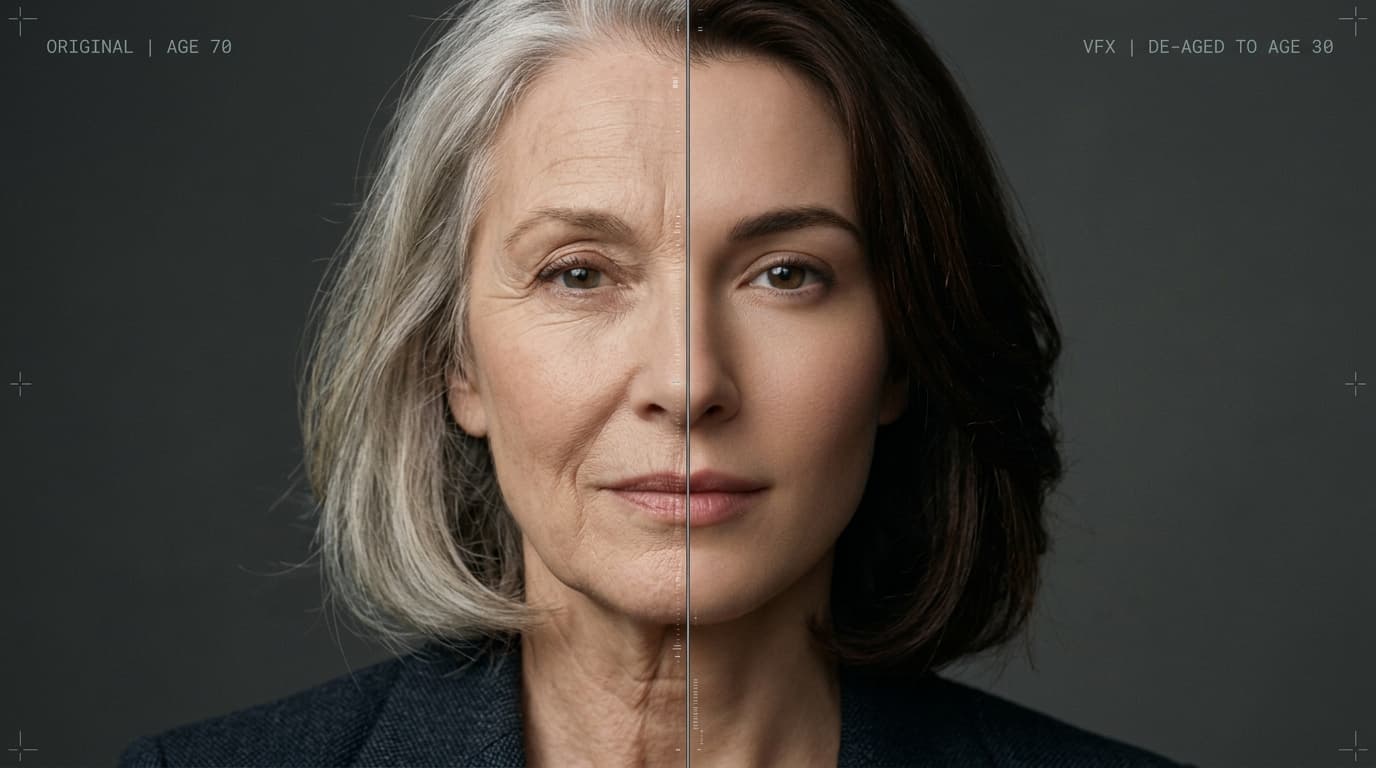
A 70-year-old in 2050 could potentially be biologically healthier than a 70-year-old today.
That alone would represent a revolution.
The Economic Revolution
Longevity would not only transform medicine.
It could transform the economy.
Imagine people remaining healthy and productive for significantly longer.
Retirement could change.
Care homes could change.
Pensions could change.
Insurance could change.
Healthcare spending could change.
Career structures could change.
Education could change.
People might have multiple careers across their lives.
A person could spend decades working, return to education, change industries, start businesses and continue working much later than today's traditional retirement age.
The concept of a three-stage life—
education → career → retirement
—could become obsolete.
Instead, people might experience:
education → career → reinvention → second career → entrepreneurship → further education → new career...
Longevity could therefore become an economic transformation as much as a medical one.
The Inequality Problem
But there is an obvious danger.
What happens if longevity technologies are extremely expensive?
If wealthy people can access treatments that slow biological ageing while everyone else cannot, society could develop a new form of inequality.
Not simply:
rich vs poor.
But:
different biological ageing rates.
Imagine two 60-year-olds.
One has access to advanced rejuvenation therapies.
The other does not.
One remains biologically healthier for decades longer.
The consequences would extend far beyond healthcare.
Political power.
Wealth accumulation.
Employment.
Inheritance.
Leadership.
Retirement.
Population growth.
The distribution of longevity could become one of the defining social issues of the 21st century.
Would Longer Lives Make Society Better?
Not necessarily.
Longer lives create opportunities.
But they also create complications.
If people live much longer, societies may need to rethink resource consumption.
Housing.
Employment.
Pensions.
Population growth.
Intergenerational wealth.
Political representation.
A world where people regularly live to 120 would not simply be today's society stretched over another 30 years.
It would require structural change.
The Psychology of Living Longer
There is another question that receives less attention.
What would happen psychologically if people knew they could live for much longer?
Would people become more patient?
Would they take fewer risks?
Would they change careers more frequently?
Would marriage and family structures change?
Would people have children later?
Would education become continuous throughout life?
A 100-year-old career could look completely different from today's 40-year career.
Longevity could therefore change not only how long people live.
It could change how they think about time itself.
Would Longer Life Mean More Youth?
This is where the concept of rejuvenation becomes particularly important.
Extending lifespan is not the same as extending youth.
A person could theoretically live to 120 while experiencing decades of frailty.
That is not the future longevity researchers ultimately want.
The more ambitious vision is to maintain function.
Healthy muscle.
Healthy organs.
Healthy cognition.
Healthy immune function.
Healthy metabolism.
The goal is not necessarily to stop the clock.
It is to slow, repair or periodically reset some of the biological processes that make the clock matter.
Could We Actually Reverse Ageing?
The honest answer today is:
Not in humans, at the level imagined by science fiction.
There is no proven treatment that can safely reset an entire human body to a younger biological age.
There are promising areas of research.
Senolytics.
mTOR modulation.
Metabolic interventions.
Stem-cell approaches.
Epigenetic therapies.
Partial cellular reprogramming.
Regenerative medicine.
But much of the strongest evidence remains preclinical or early-stage human research.
Scientists themselves emphasise the need for more evidence regarding effectiveness, appropriate populations, safety and long-term outcomes.
The revolution is therefore not that humans have defeated ageing.
The revolution is that ageing is increasingly being studied as something that may be biologically modifiable.
That is a profound shift.
Three Possible Futures Scenario One: Healthy Ageing
Humanity develops better preventive medicine and modestly extends healthspan.
People live somewhat longer and remain healthier later in life.
This is the most conservative future.
Scenario Two: Partial Rejuvenation
Scientists develop treatments that periodically repair specific forms of age-related damage.
People could potentially receive interventions throughout adulthood that delay multiple age-related diseases.
Lifespan increases, but the bigger change is healthspan.
Scenario Three: Radical Longevity
Researchers eventually learn to repeatedly repair the major mechanisms of biological ageing.
Cells can be rejuvenated.
Organs can be regenerated.
Damage can be removed.
The brain can be protected.
Human lifespan expands dramatically.
At that point, ageing would no longer be viewed as an unavoidable biological countdown.
It would become an engineering problem.
The Final Frontier May Be Inside Us
Humanity has spent centuries exploring external frontiers.
The oceans.
The atmosphere.
Space.
Other planets.
But one of the greatest frontiers is already inside every human being.
The cell.
The genome.
The epigenome.
The mitochondria.
The immune system.
The brain.
Ageing is the result of countless biological processes interacting over decades.
Understanding those processes could become one of the greatest scientific achievements in human history.
And if we learn how to manipulate them safely, the consequences could be enormous.
From Treating Disease to Maintaining Life
Medicine began by fighting individual diseases.
Then it became better at preventing them.
The next stage could be maintaining the biological systems that make disease less likely in the first place.
That is the promise of geroscience.
It does not require humans to become immortal.
It does not require a fountain of youth.
It requires something much more scientifically plausible:
understanding why biological systems deteriorate and learning how to intervene before that deterioration becomes irreversible.
The difference could be measured not merely in years.
It could be measured in decades of additional independence.
The Ageing Revolution Has Already Begun
The most important longevity breakthrough may not be a single drug.
It may be a change in how humanity thinks about ageing.
For thousands of years, ageing was largely accepted as an unavoidable decline.
Today, scientists are investigating its molecular mechanisms.
They are identifying biological pathways.
They are developing drugs.
They are testing senolytics.
They are studying cellular reprogramming.
They are building regenerative technologies.
They are using AI to analyse biological complexity.
And they are asking whether some components of ageing can be slowed—or perhaps partially reversed.
The final answer remains unknown.
Maybe humanity will eventually discover a reliable way to rejuvenate the human body.
Maybe the hardest limits will remain.
Maybe progress will be incremental rather than revolutionary.
But one possibility is becoming increasingly difficult to ignore:
Ageing may not be as biologically untouchable as humanity once assumed.
The future may not give us immortality.
It may give us something more realistic.
A world where 80 is healthier than today's 80.
Where 90 does not automatically mean frailty.
Where organs can be repaired rather than simply replaced.
Where biological age becomes something that can be measured and influenced.
And where the boundary between medicine and rejuvenation begins to disappear.
The ultimate goal of the ageing revolution may therefore not be to live forever.
It may be to make the years we already have dramatically better.
And if scientists eventually learn how to repeatedly repair the biological damage that accumulates throughout life, humanity may face one of its greatest questions yet:
If ageing can be treated, how long should a human life actually be?
References
[1] National Institutes of Health — Geroscience and the study of biological mechanisms underlying ageing and age-related decline.
[2] National Institute on Aging — Research into interventions including rapamycin, metformin and other potential approaches to healthy ageing.
[3] Justice, J. N. et al. — Research and clinical perspectives on drugs targeting mechanisms of ageing and their potential to delay age-related disease.
[4] Kennedy, B. K. et al. — Review of drug discovery approaches targeting ageing mechanisms, including rapamycin, senolytics and metabolic interventions.
[5] Yücel, A. D. & Gladyshev, V. N. — Review of partial cellular reprogramming and its potential for rejuvenation. Nature Communications, 2024.
[6] Xu, L. et al. — Study of partial reprogramming and restoration of neuronal progenitor environments in aged mice. Nature Aging, 2024.
[7] Asmussen, N. C. & Schafer, M. J. — Research commentary on partial reprogramming of the aged mammalian brain. Nature Aging, 2024.
[8] National Institute on Aging — Workshop proceedings examining senolytics, NAD+ interventions, metformin and other potential gerotherapeutics.
[9] National Institute on Aging — Geroscience research into targeting biological ageing to delay disease and extend healthspan.
[10] Pitrez, P. R. et al. — Research perspectives on cellular reprogramming and human models for studying ageing and developing rejuvenation interventions. Nature Communications, 2024.
Published by Banx Network. This article is part of the Banx decentralized media programme, powered by the BXE token on the XRP Ledger.