For decades, the narrative of climate change has been one of gradual decline, a slow and steady warming that allowed humanity time to adapt. But recent data suggests that this gentle slope has steepened into a precipice. Scientists are now warning that global warming has accelerated significantly, entering a new and more dangerous phase. The planet is heating up faster than previous models predicted, with record-breaking temperatures becoming not just anomalies but the new normal. This shift invites a sobering reflection on our relationship with the Earth and the urgency of the challenge we now face.
Research published in leading journals indicates that the rate of global surface temperature increase has surged by more than 50 percent over the past decade compared to the preceding forty years. This acceleration is not merely a statistical fluctuation but a robust trend driven by a combination of factors, including increased greenhouse gas concentrations and potential feedback loops in the climate system. The year 2024 saw global temperatures peak at 1.6°C above pre-industrial levels, breaching thresholds that scientists had hoped to avoid for years.
The implications of this acceleration are profound. Faster warming means that critical tipping points, such as the collapse of major ice sheets or the shutdown of ocean currents like the Atlantic Meridional Overturning Circulation (AMOC), may be reached sooner than anticipated. These systems act as regulators of the global climate, and their disruption could lead to irreversible changes in weather patterns, sea levels, and biodiversity. The window for effective action is narrowing, demanding immediate and decisive intervention.
One of the key drivers of this acceleration appears to be the reduction in aerosol pollution. While aerosols have harmful health effects, they also reflect sunlight and have a cooling effect on the planet. As regulations improve air quality, particularly in shipping and industry, this masking effect is diminishing, revealing the full extent of warming caused by carbon dioxide and other greenhouse gases. This "unmasking" highlights the complex interplay between different types of pollution and climate dynamics.
Ocean heat content is also rising at an alarming rate. The oceans absorb more than 90 percent of the excess heat trapped by greenhouse gases, acting as a buffer against atmospheric warming. However, this capacity is not infinite. As ocean temperatures rise, marine ecosystems suffer, coral reefs bleach, and extreme weather events like hurricanes become more intense. The thermal expansion of seawater also contributes significantly to sea-level rise, threatening coastal communities worldwide.
Scientists emphasize that while the situation is dire, it is not hopeless. Understanding the mechanisms behind the acceleration allows for more accurate modeling and better-targeted mitigation strategies. Reducing emissions remains the most critical step, but adaptation measures must also be scaled up to protect vulnerable populations. The focus is shifting from preventing warming to managing its impacts and building resilience.
Public awareness and political will are crucial in this new phase. The tangible effects of climate change, from heatwaves to floods, are making the abstract concept of global warming a daily reality for millions. This visibility can serve as a catalyst for change, driving demand for renewable energy, sustainable practices, and policy reform. The collective response of society will determine the trajectory of the coming decades.
The acceleration of global warming is a clear signal that the Earth’s climate system is responding to human activity with increasing intensity. While the challenges are significant, the scientific community remains committed to providing the knowledge needed to navigate this crisis. The path forward requires unity, innovation, and an unwavering commitment to preserving the planet for future generations.
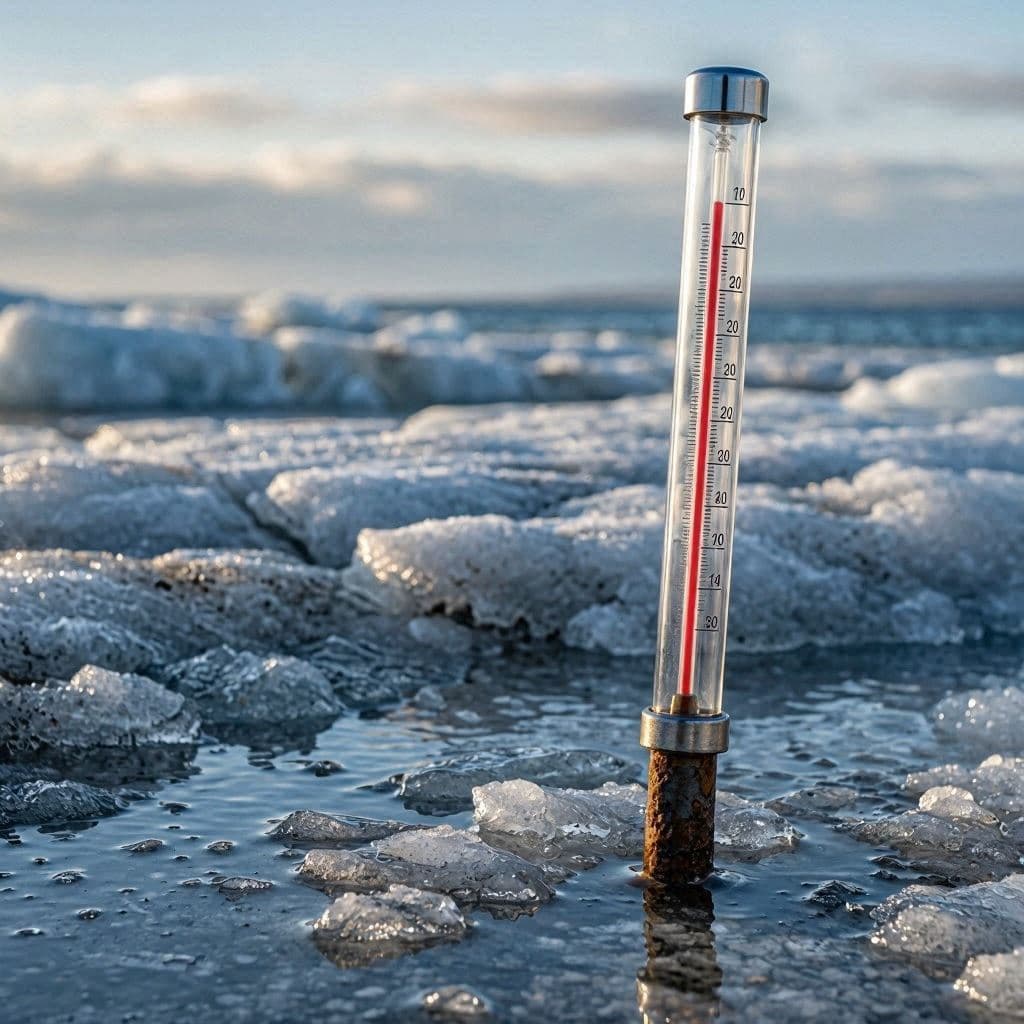
AI Image Disclaimer: The visuals accompanying this article are AI-generated illustrations designed to represent the themes of climate change and environmental science.
Sources: CNN, Yale Climate Connections, Los Angeles Times, Inside Climate News
Published by Banx Network. This article is part of the Banx decentralized media programme, powered by the BXE token on the XRP Ledger.