
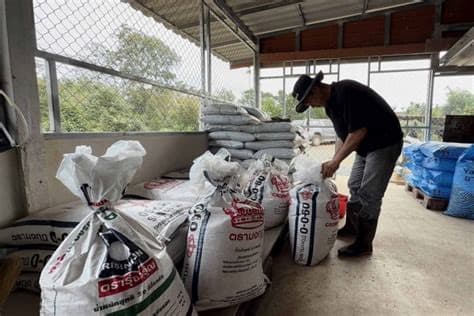
Key Highlights
- Trade Proposal:Thailand seeks to exchange food supplies with Iran for plastic pellets and fertilizer.
- Economic Strategy:The initiative aims to bolster both nations' economies amid global supply chain disruptions.
- Minister's Statement: Thailand's Minister of Commerce emphasizes the importance of securing raw materials for agriculture.
Thailand has announced a significant proposal to engage in a trade agreement with Iran, offering food supplies in exchange for essential raw materials, specifically plastic pellets and fertilizer. This initiative emerges as both nations strive to strengthen their economies in the face of increasing global tensions that have adversely affected agricultural production and supply chains.
Supachai Suthamphan, Thailand's Minister of Commerce, highlighted the importance of this bilateral trade agreement during a recent press conference. He stated, "By providing Iran with essential food supplies, we aim to secure critical raw materials like plastic pellets and fertilizer that are vital for our agricultural sector." This arrangement is perceived as a mutually beneficial strategy, particularly during a time characterized by rising food prices and disruptions in fertilizer supplies, which are often linked to geopolitical conflicts in the Middle East.
The urgency for establishing such trade relations has been underscored by ongoing disruptions in fertilizer shipments through key trade routes, notably the Strait of Hormuz. These disruptions have led to increased costs and have significantly impacted agricultural productivity in various countries, especially in developing regions. The proposed trade not only addresses these international challenges but also aims to alleviate domestic supply shortages in Thailand, where farmers are increasingly dependent on consistent access to both fertilizer and raw materials for packaging their products.
According to Supachai, the Thai government is dedicated to minimizing the risk of price hikes in essential consumer goods while ensuring that farmers have uninterrupted access to necessary inputs. He remarked, "Our stocks of fertilizer and plastic pellets are sufficient for the next four months, but we must remain proactive in securing future supplies." This proactive approach reflects the government's commitment to safeguarding the agricultural sector against potential supply chain disruptions.
This proposed trade agreement highlights Thailand's strategic efforts to enhance agricultural resilience while navigating a complex global economic landscape. As negotiations progress, both Thailand and Iran stand to benefit from closer cooperation, potentially setting a precedent for similar future agreements in the agricultural sector. The implications of this trade could extend beyond the immediate economic benefits, fostering stronger diplomatic ties between the two nations.
As the global agricultural landscape continues to evolve, such initiatives may become increasingly vital for countries seeking to secure their food supply chains and ensure the sustainability of their agricultural practices. The outcome of these negotiations will be closely monitored by stakeholders in both countries, as well as by international observers interested in the dynamics of global trade and agriculture.
Published by Banx Network. This article is part of the Banx decentralized media programme, powered by the BXE token on the XRP Ledger.



