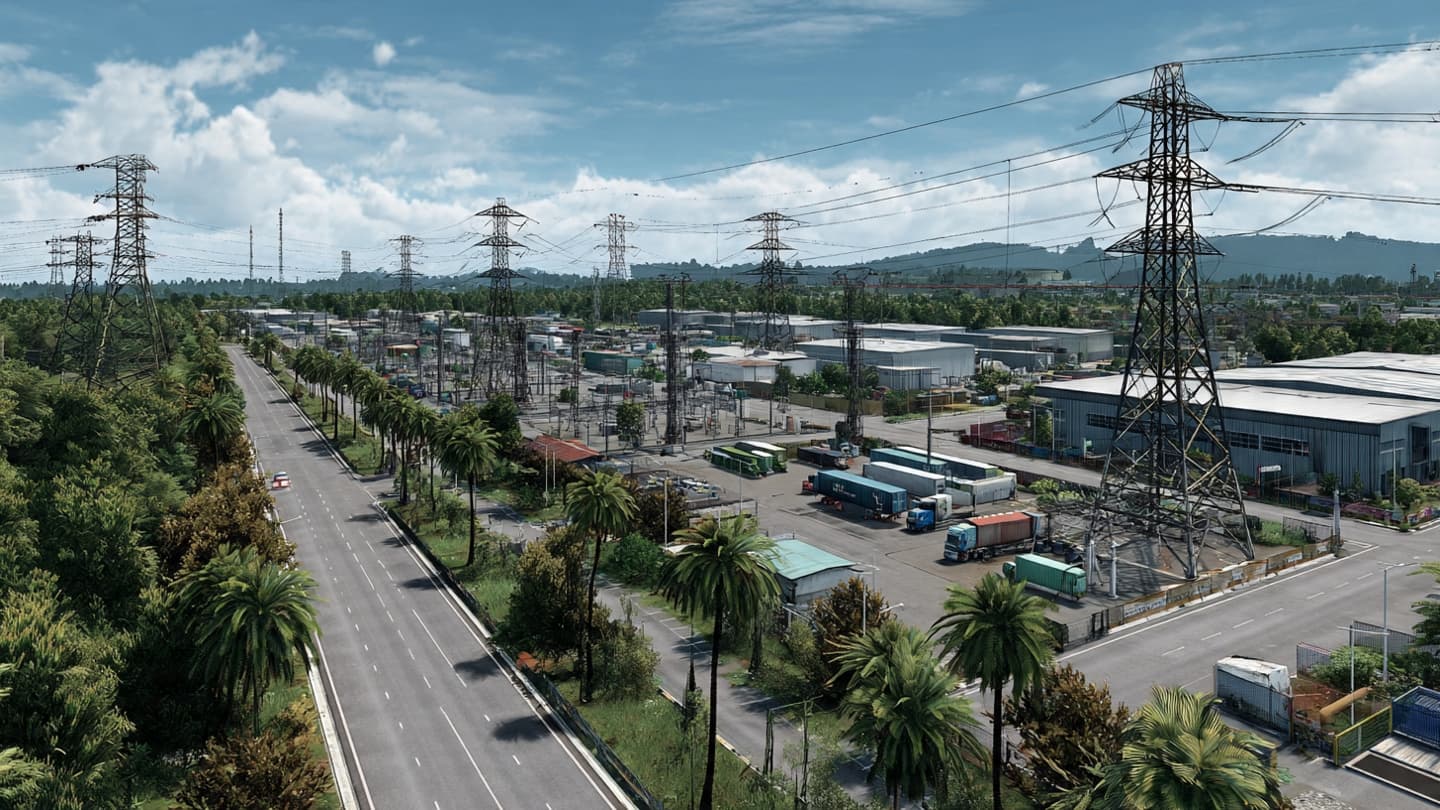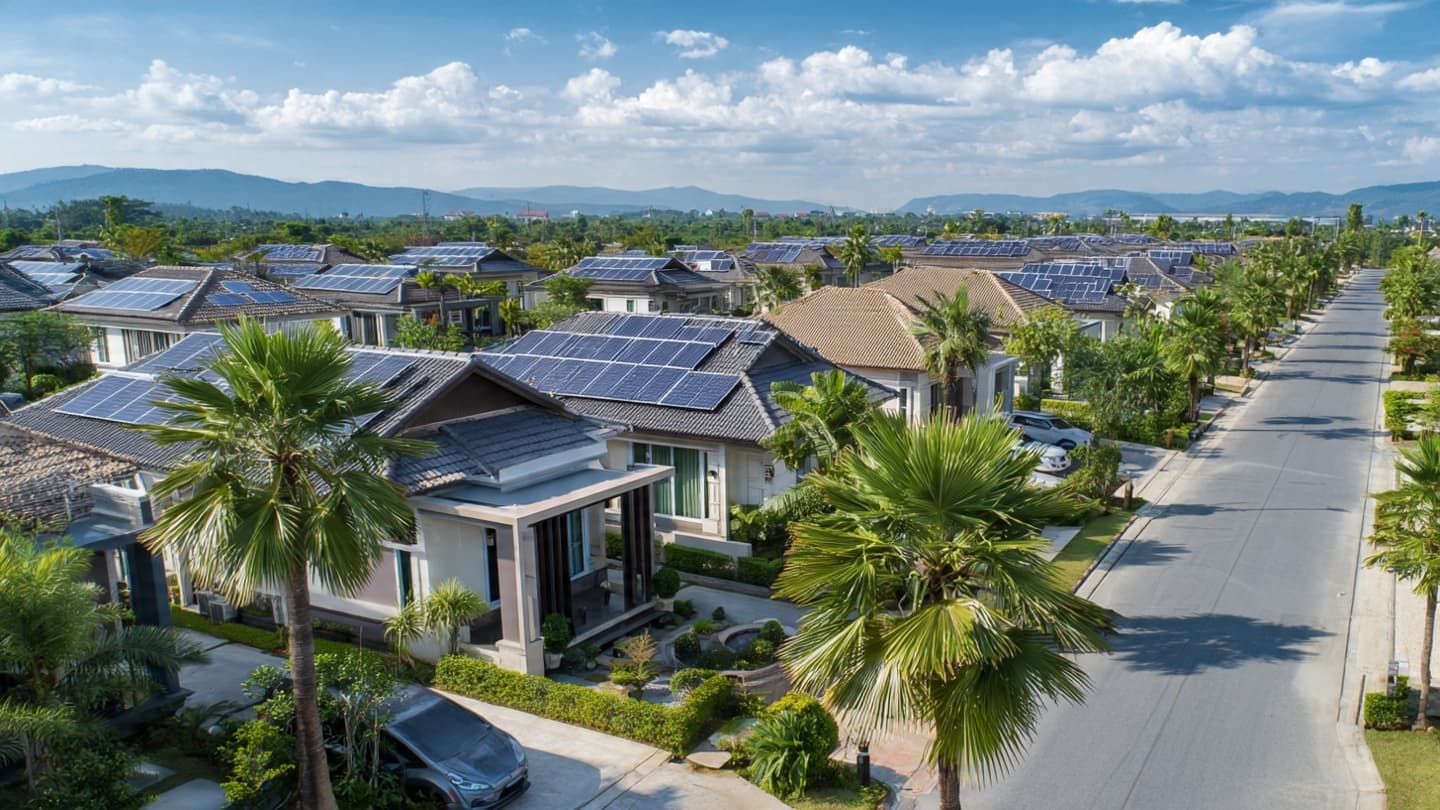
Across Thailand, the tropical sun arrives almost every morning with little uncertainty. Its heat can be intense, but its presence is remarkably consistent, creating a natural resource above homes, factories, and commercial buildings. The government is now looking more closely at that resource as it considers a major expansion of rooftop solar aimed at one million households.
The initiative is intended to reduce exposure to fluctuations in liquefied natural gas prices and strengthen the country’s energy resilience. Thailand remains dependent on imported energy for part of its electricity system, leaving consumers and businesses exposed when international fuel prices move sharply.
Rooftop solar offers a different kind of relationship with the energy market. Instead of relying entirely on electricity generated elsewhere, households can produce part of their own power during daylight hours. The approach does not eliminate the need for the wider grid, but it can reduce dependence on conventional generation during periods of strong solar production.
The plan arrives as Thailand faces a changing energy landscape across Southeast Asia. Demand for electricity is rising alongside industrial development, digital infrastructure, and expanding data centers. At the same time, companies are increasingly examining renewable energy as part of longer-term investment decisions.
For households, the economics of rooftop solar depend on several factors, including installation costs, financing arrangements, electricity tariffs, and the rules governing power returned to the grid. A national program therefore requires more than simply placing panels on rooftops; it also requires a framework that allows households to participate in the electricity system in practical ways.
Thailand’s solar resources provide a natural advantage. Much of the country receives substantial sunlight throughout the year, although generation varies according to weather, season, and location. Solar therefore works alongside rather than completely replacing other forms of electricity generation.
The energy transition also intersects with Thailand’s industrial ambitions. Manufacturers and international companies are increasingly paying attention to the carbon intensity of electricity used in their operations. Greater access to renewable energy could therefore become relevant not only to household bills but also to the country’s ability to attract investment from companies with increasingly demanding environmental targets.
The government’s rooftop solar push is consequently part of a broader discussion about how Thailand can manage energy costs while developing a lower-carbon economy. The proposed expansion would place more generation capacity directly into communities, creating a more distributed electricity landscape.
Implementation will determine how quickly the idea moves from policy to rooftops. For now, the one-million-household target signals an effort to make solar power more visible in everyday life, turning Thailand’s abundant sunlight into another component of its energy system while the country navigates the uncertainties of global fuel markets.
AI Image Disclaimer The images are AI-generated illustrations created to visually represent the subject and should not be considered authentic event photographs.
Sources Reuters
Published by Banx Network. This article is part of the Banx decentralized media programme, powered by the BXE token on the XRP Ledger.