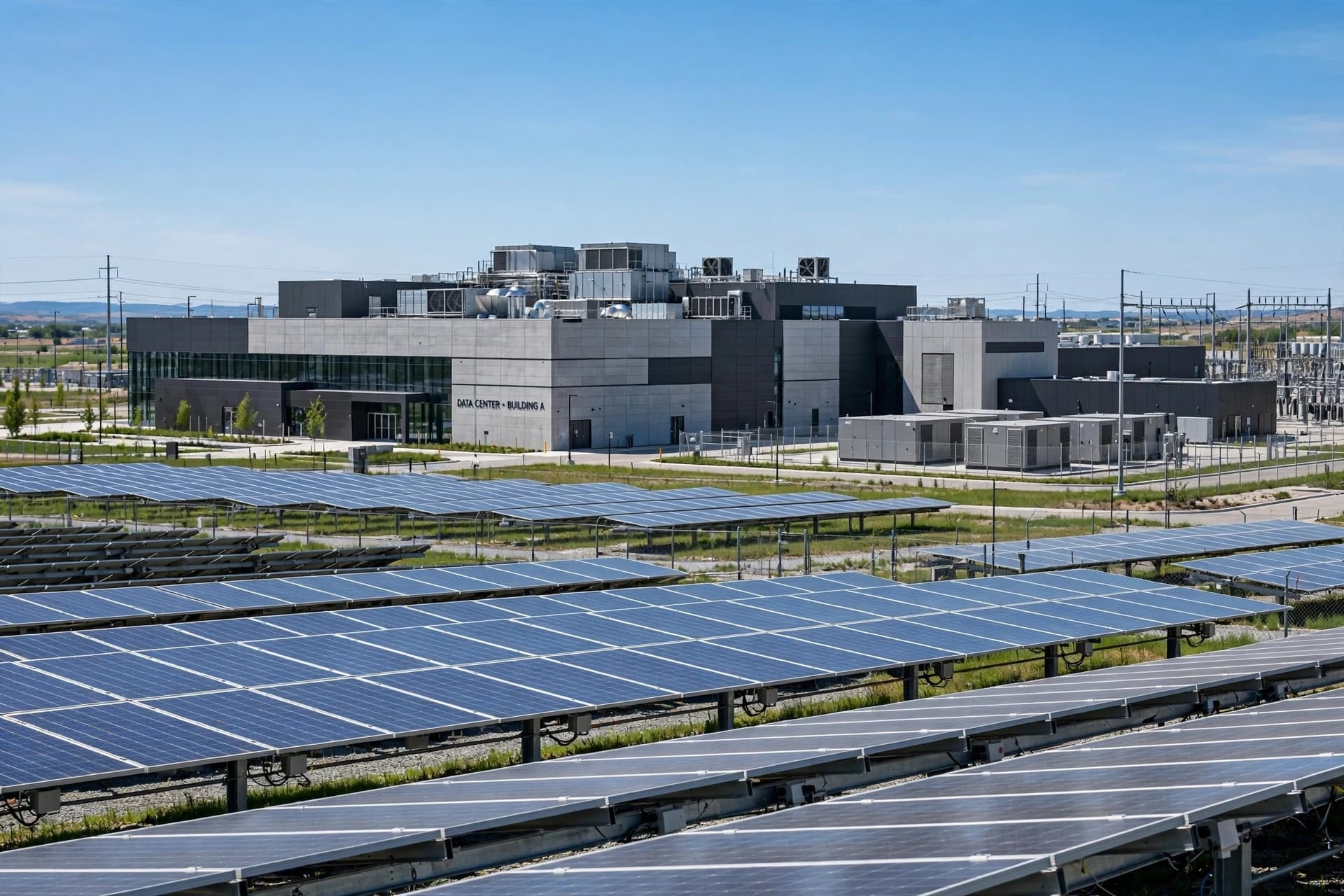
In the vast, sun-drenched expanse of Texas, where the energy grid hums with the power of wind, solar, and fossil fuels, a new silence has fallen over the construction sites of the digital age. Governor Greg Abbott has ordered a halt to all state-issued permits for data centers, pausing the rapid expansion of facilities that house the servers powering artificial intelligence and cloud computing. This decision, driven by concerns over the strain on the state’s electrical grid and water resources, marks a significant shift in how Texas balances technological growth with environmental sustainability. It is a moment of reflection on the hidden costs of our digital lives.
The moratorium extends beyond just energy connections to include environmental permits issued by the Texas Commission on Environmental Quality (TCEQ). This expansion of scrutiny highlights the growing awareness of the resource-intensive nature of data centers. These facilities require massive amounts of electricity for cooling and operation, as well as significant water supplies. In a state that has faced grid instability during extreme weather events, the addition of such high-demand infrastructure raises legitimate questions about reliability and resilience. Prudence is the guardian of stability.
For the tech industry, which has flocked to Texas for its business-friendly regulations and abundant land, the pause is a sudden brake on momentum. Companies had planned billions of dollars in investments, expecting a seamless path to development. Now, they face uncertainty as state regulators conduct a comprehensive audit of the grid’s capacity. The delay is not a rejection of technology but a call for careful planning. Growth must be sustainable to be lasting.
Rural communities, often the sites of these large-scale developments, have voiced mixed feelings. While jobs and investment are welcome, residents worry about the impact on local water tables and power availability. The governor’s order acknowledges these concerns, prioritizing the needs of existing residents over new industrial demands. It is a reminder that progress should not come at the expense of community well-being. Local voices matter.
Environmental advocates have welcomed the move, arguing that the rapid buildout of data centers has outpaced regulatory oversight. They point to the carbon footprint of these facilities and the potential for increased greenhouse gas emissions if powered by fossil fuels. The audit offers an opportunity to integrate renewable energy sources and enforce stricter efficiency standards. Sustainability is a shared goal.
The political implications are also significant. As a Republican leader, Governor Abbott’s decision challenges the narrative of deregulation, showing a willingness to intervene when public interests are at stake. It reflects a pragmatic approach to governance, where economic development is balanced with environmental stewardship. Leadership requires adaptability.
As the audit proceeds, stakeholders from various sectors will likely engage in dialogue to find solutions. The outcome could shape future policies not just in Texas but across the nation, where data center growth is surging. Other states may look to Texas as a model for managing this complex issue. Innovation includes regulation.
In the end, the halt on data center permits is a pause for breath in a race toward the future. It invites us to consider how we power our digital world and what trade-offs we are willing to make. As Texas evaluates its grid, the hope is for a strategy that supports both technological advancement and environmental health. Balance is the key to progress.
AI Image Disclaimer: The visual representations included here are AI-generated illustrations designed to depict data centers and energy infrastructure, not actual photographs of specific facilities in Texas or Governor Abbott.
Sources: Reuters The Texas Tribune Politico
Published by Banx Network. This article is part of the Banx decentralized media programme, powered by the BXE token on the XRP Ledger.