
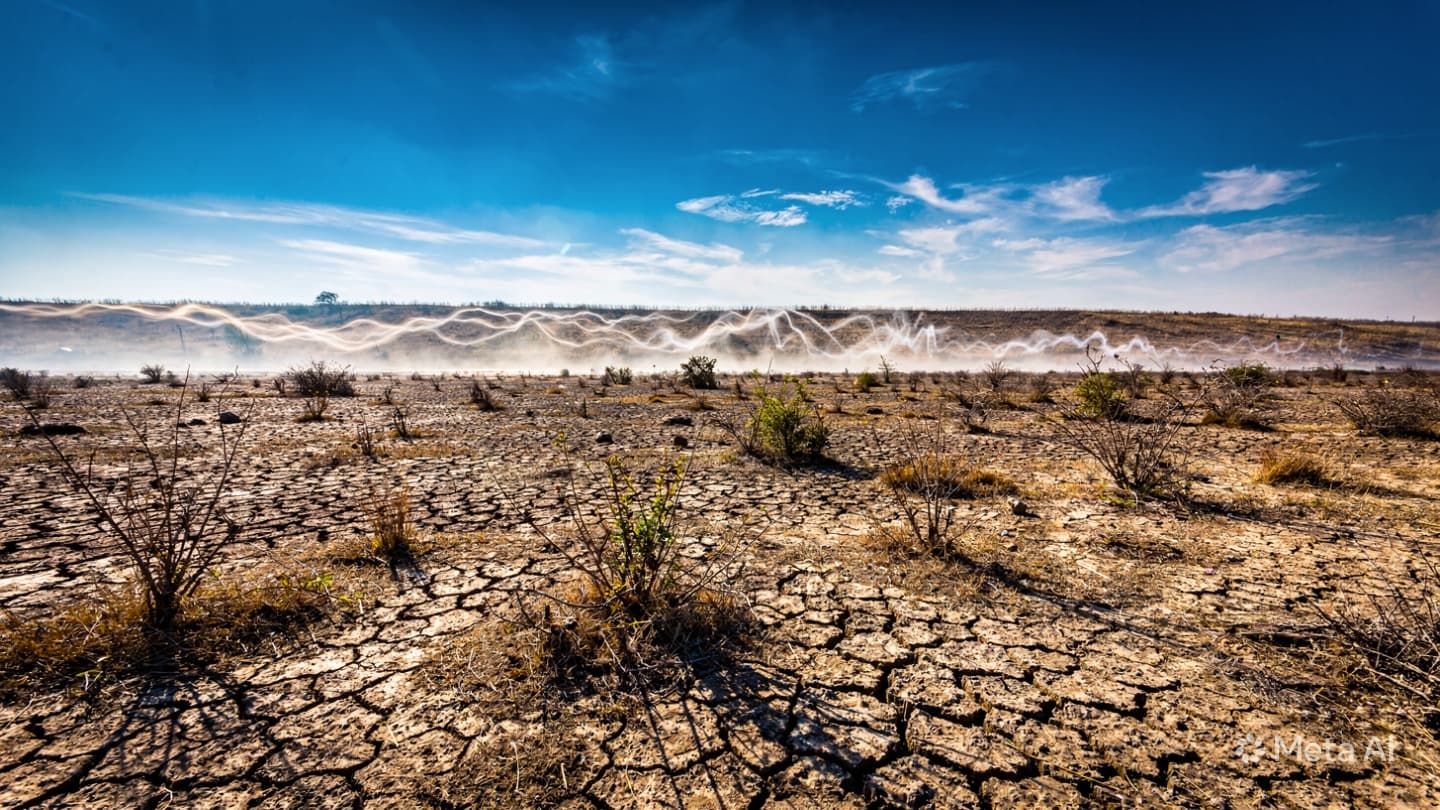
Key Highlights
- Fatal Incident:One person dies from heatstroke in Terai.
- Extreme Temperatures:Regions report temperatures above 38°C.
- Health Risks:Surge in heat-related illnesses reported.
Birgunj, Nepal—A tragic incident occurred on Tuesday, June 23, 2026, in the Terai plains, where a worker succumbed to heatstroke amid a relentless heatwave. The victim, who was laboring outdoors during the peak afternoon heat, collapsed due to severe dehydration and hyperthermia. Despite immediate medical attention at a local clinic, the individual could not be revived. This incident underscores the severe impact of the ongoing extreme temperatures affecting the southern region of Nepal.
The Meteorological Forecasting Division has issued an orange alert for several districts, including Parsa, Bara, and Rautahat, where maximum temperatures have consistently exceeded 38°C for several days. The high humidity typical of the Terai lowlands has exacerbated health risks, making outdoor work particularly perilous. Meteorologists predict that these oppressive conditions are likely to persist for several more days, raising concerns among health officials.
Emergency services are experiencing a significant increase in cases of heat exhaustion, with local health centers struggling to accommodate the rising number of patients. Medical professionals emphasize that the heatwave poses a heightened risk to laborers, farmers, and the elderly. Public health messages urging residents to avoid direct sunlight and stay hydrated are being disseminated through local radio stations. However, many individuals, compelled by work obligations, continue to expose themselves to the extreme heat.
The government’s color-coded weather alert system remains active, with the highest warnings affecting most of the central and western Terai. The combination of intense sunlight and stagnant air has created a hazardous environment, where the perceived temperature feels much higher than the actual readings. In response to the crisis, several municipalities are contemplating the closure of schools and the postponement of non-essential government activities until temperatures stabilize.
Experts from the Department of Hydrology and Meteorology have noted that the unpredictable nature of this monsoon season has deprived the Terai region of the usual relief provided by frequent rainfall. While the hilly areas have seen sporadic showers, the plains remain parched, trapping residents in a cycle of extreme heat. There is currently no forecast for a significant temperature drop in the next seventy-two hours, further heightening concerns.
In light of the recent fatality, health officials are advocating for local governments to establish cooling stations and water distribution points in high-traffic areas. The loss of life has prompted a renewed focus on disaster prevention protocols in the region. There is a growing consensus that local administrations must enhance support for those unable to avoid working in direct sunlight.
Investigators are examining the circumstances surrounding the fatality, although the cause of death has been definitively linked to the extreme environmental conditions. The family of the deceased is receiving assistance from local relief funds, while provincial health departments are mobilizing mobile medical teams to reach remote villages where residents may be unaware of the severity of the heat alert.
As the sun sets, temperatures in the Terai remain uncomfortably high. Authorities are on high alert, and efforts are ongoing to ensure that precautionary messages reach every household. The threat posed by the heatwave is expected to remain a significant concern for the remainder of the week.
Published by Banx Network. This article is part of the Banx decentralized media programme, powered by the BXE token on the XRP Ledger.



