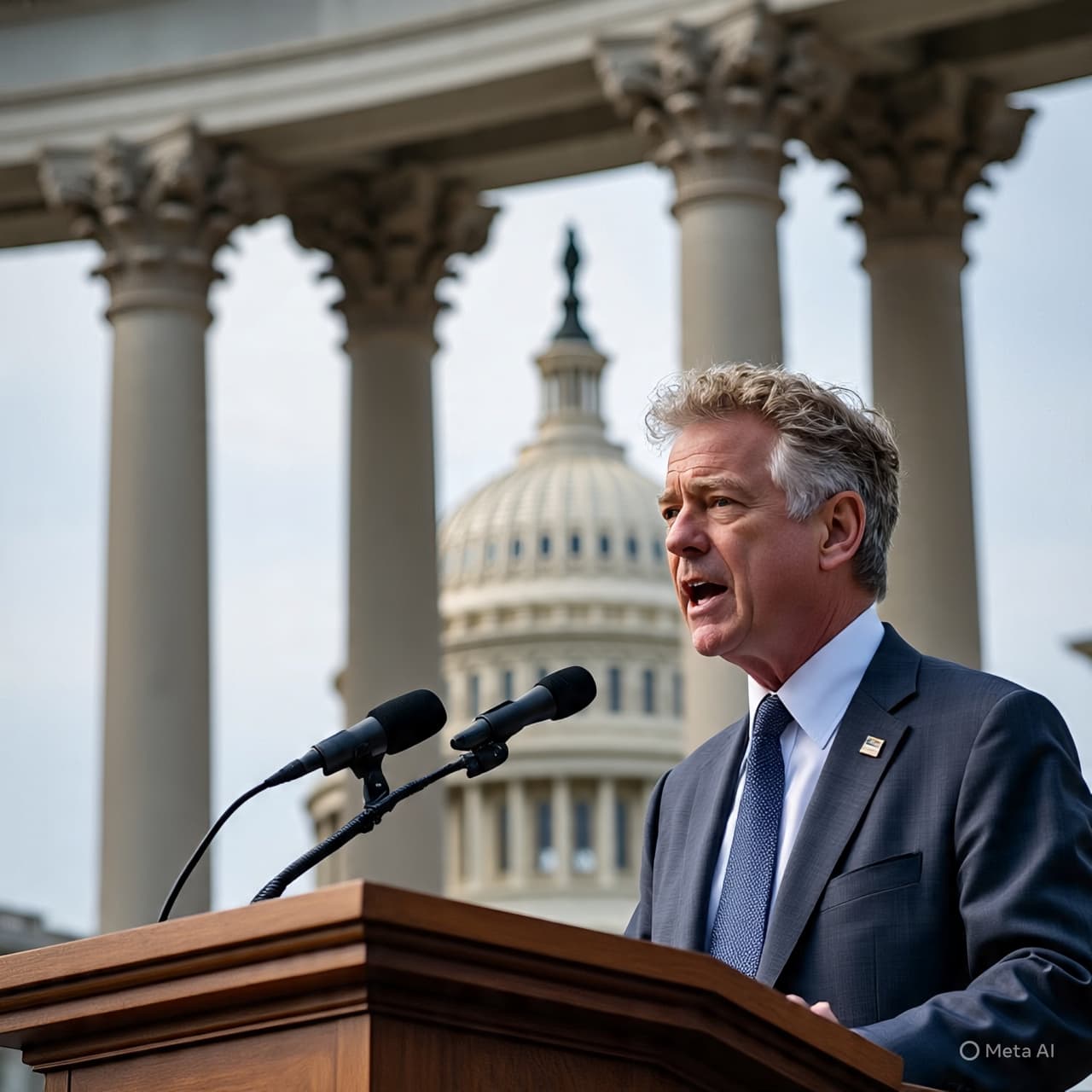
In the early chill of another Caribbean morning, as the sun rose over restless seas, a debate simmered far from those waters — in the halls of Washington. What began with the interception and seizure of oil tankers near Venezuela’s coast has drawn both strategic attention and sharply diverging political responses in the U.S. Senate. Republican Senator Rand Paul of Kentucky has publicly warned that these maritime actions could be more than enforcement of sanctions or counter‑narcotics operations — he called them “a provocation and a prelude to war.”
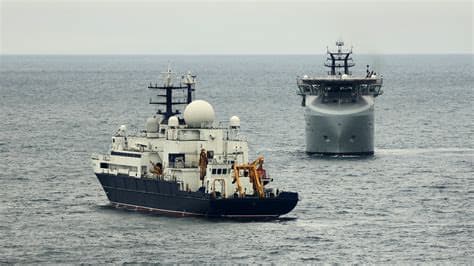
The backdrop to Paul’s remarks is a significant escalation by the United States Coast Guard and Navy in the Caribbean Sea near Venezuela. In recent days, U.S. forces have intercepted and seized multiple oil tankers they say are tied to sanctions‑evasion efforts related to the Venezuelan government’s “shadow fleet,” and are pursuing additional vessels suspected of carrying sanctioned oil or evading tracking systems.
President Donald Trump’s administration has framed these operations as part of a broader pressure campaign against Venezuela’s leadership and alleged drug‑trafficking networks, including sanctions enforcement and naval interdiction. The measures follow the president’s announcement of a blockade on sanctioned tankers entering or leaving Venezuelan ports, a move that has increased U.S. military activity in the region to levels not seen since the Cold War era.
Senator Paul, speaking on ABC News’ This Week, argued that seizing vessels and applying military force in this context risks drawing the United States into unnecessary conflict. He described the actions as targeting “unarmed people” aboard these ships and questioned the logic behind using military might rather than diplomatic or judicial avenues. Paul’s critique reflects a broader concern among some lawmakers that the executive branch is conducting military operations without clear authorization from Congress, an issue that frequently arises when actions carry implications beyond sanctions enforcement.
Critics of the administration’s approach, including some Democratic senators, have also voiced fears that these maritime seizures and the blockade could further destabilize an already tense geopolitical situation, potentially dragging the U.S. into a wider confrontation with Venezuela. They emphasize the importance of congressional oversight and the risks of escalating a naval standoff into full‑blown conflict.
For its part, the Venezuelan government has condemned the U.S. actions as “piracy” and an unlawful interference in its sovereign affairs, promising to challenge the legality of the seizures on the international stage. As more tankers are pursued and additional military resources deployed, the debate over how to balance sanctions enforcement with the risk of a broader clash continues to unfold, illustrating the fragile intersection of law, strategy, and national security in international waters.
AI Image Disclaimer “Images in this article are AI-generated illustrations, meant for concept only.”
Sources ABC News (via multiple outlets) Reuters The Guardian Associated Press Deutsche Welle
Published by Banx Network. This article is part of the Banx decentralized media programme, powered by the BXE token on the XRP Ledger.