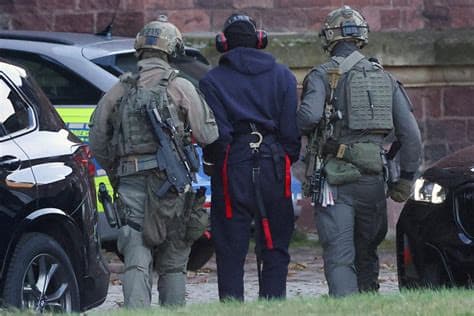
In Caracas, political developments often unfold behind competing narratives, each side telling a different version of the same moment. This week, that familiar pattern returned as Venezuela’s opposition reported that senior political figure Juan Pablo Guanipa had been taken by security forces in the capital, describing the incident as a kidnapping.
Guanipa, a prominent ally of opposition leader María Corina Machado and a longtime critic of President Nicolás Maduro’s government, has been a visible figure in Venezuela’s political confrontation. According to opposition accounts, he was seized by masked agents and taken to an undisclosed location. Government officials, as in similar cases in the past, have framed such actions as lawful detentions tied to alleged security concerns or criminal investigations.
The conflicting claims reflect the deep mistrust that defines Venezuela’s political landscape. For years, opposition leaders have accused authorities of using arrests and legal charges to sideline critics and weaken political organization. The government, in turn, has argued that some opposition figures are involved in destabilization efforts and that enforcement actions are necessary to protect public order.
Guanipa’s reported detention comes at a sensitive time for the country. Venezuela remains in a prolonged political standoff following disputed elections, economic strain, and ongoing negotiations—often fragile and intermittent—between government and opposition representatives. International attention has remained focused on whether political conditions will allow for broader participation, institutional reform, and a reduction in tensions.
Human rights groups and foreign governments have repeatedly expressed concern about the treatment of political opponents, citing patterns of short-term detentions, restricted movement, and legal proceedings viewed by critics as politically motivated. Venezuelan authorities have rejected those accusations, saying the country’s judicial system operates within the law.
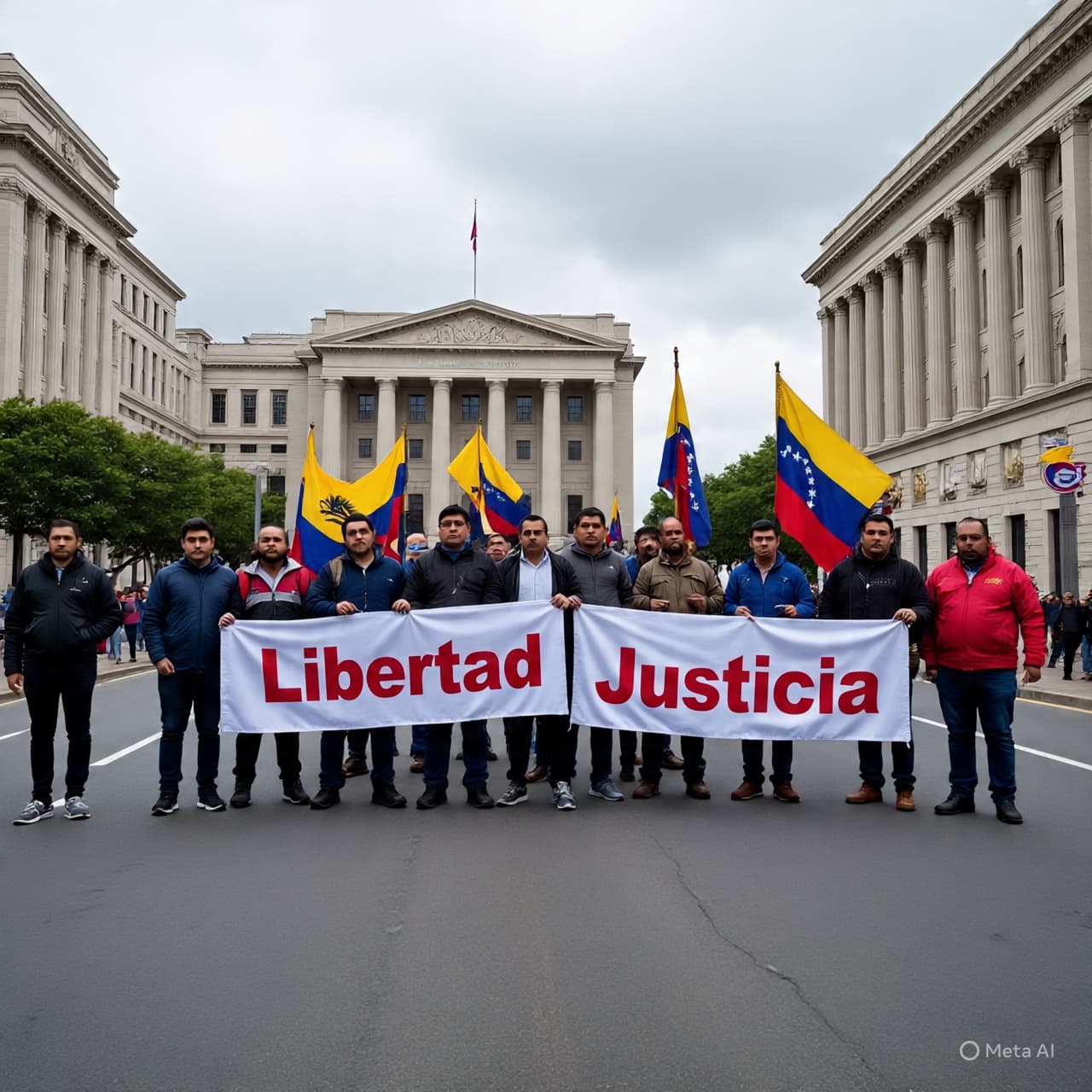
Within the opposition, the incident is likely to reinforce calls for greater international scrutiny and stronger guarantees for political activity. For many activists, the issue goes beyond any single figure and speaks to the broader risks faced by those working openly against the government.
For ordinary Venezuelans, however, the political drama unfolds alongside more immediate concerns. Years of economic hardship, migration, and public service challenges have reshaped daily life, leaving many citizens focused less on political confrontation than on stability and gradual recovery.
Still, moments like this carry weight. Each detention, disputed or confirmed, shapes the level of trust between political actors and influences the prospects for dialogue. Analysts say the trajectory of Venezuela’s political process depends not only on formal agreements but also on the environment in which opposition figures can organize and speak.
As details about Guanipa’s situation continue to emerge, the episode adds another layer of uncertainty to an already fragile political moment. Whether it becomes a brief incident or a wider turning point may depend on how authorities, opposition leaders, and international observers respond in the days ahead
Published by Banx Network. This article is part of the Banx decentralized media programme, powered by the BXE token on the XRP Ledger.