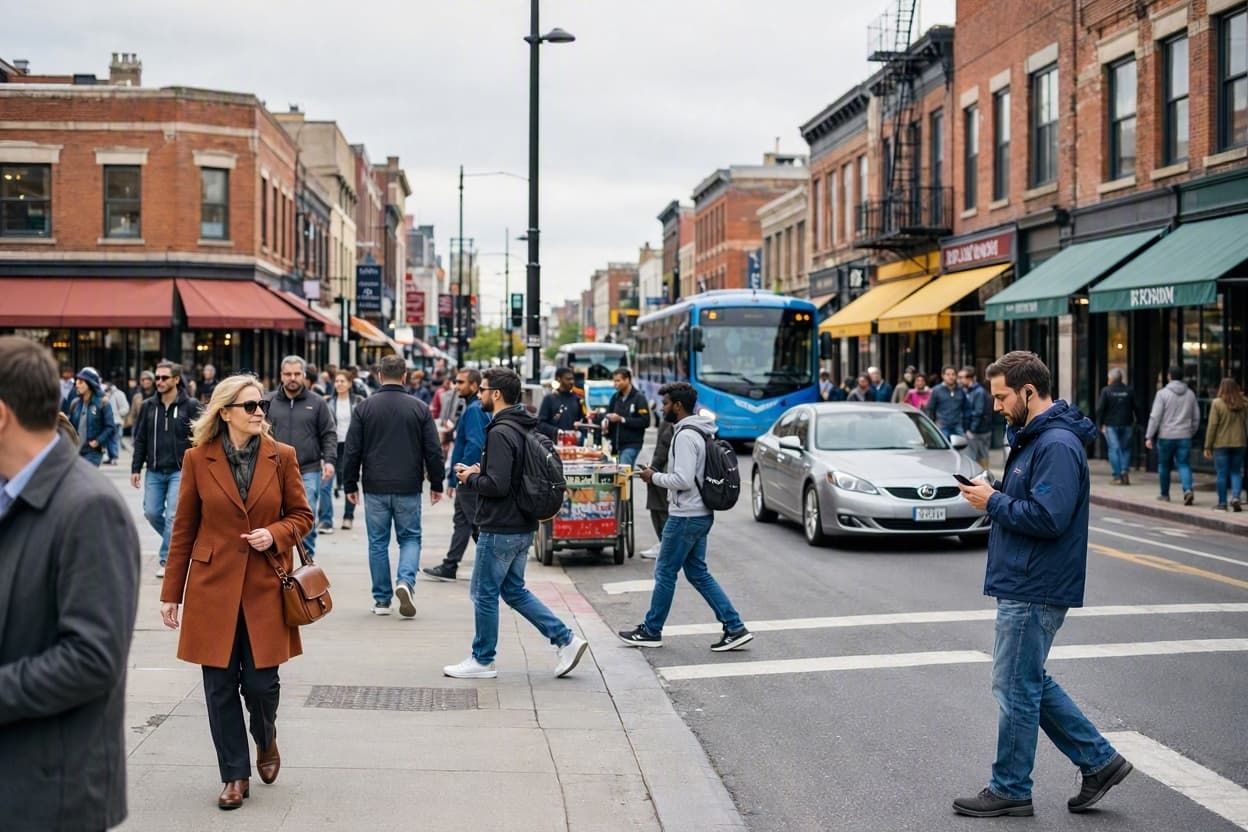
In the streets of Tehran once alive with the rhythm of daily traffic and echoing chants, there is now a careful stillness — not quite normal, not quite pre‑crisis. After weeks of widespread protests that convulsed the nation and prompted a severe government crackdown, many Iranians are attempting to resume everyday life in a capital visibly marked by recent turmoil. The transition from sustained unrest to a fragile calm reflects the profound human cost of a confrontation between citizens and state power, a chapter in Iran’s ongoing story that has left deep scars.
The protests, which began in late December amid economic hardship and spiraling inflation that intensified public frustration, quickly escalated into broader anti‑government demonstrations. At their height, protests stretched across Tehran and other major cities, marked by clashes between security forces and civilians calling for change. While authorities eventually quelled much of the visible street action, observers note that the energy of resistance has not entirely dissipated — it has transformed.
The human toll of the crackdown has been harrowing. Rights groups and activist networks report thousands of deaths and tens of thousands of arrests as security forces moved aggressively to suppress protest activity. While independent verification remains difficult due to information restrictions, figures emerging from multiple monitoring groups underline the severity of the confrontation and the heavy price paid by many ordinary Iranians who took to the streets.
For residents of the capital, daily life now unfolds amid evidence of upheaval: shuttered or damaged storefronts, checkpoints in some neighborhoods, and guarded public spaces where crowds once gathered. In markets and bazaars that are a heart of communal life, the rhythm is slower, more tentative. Many Tehranis try to resume routines — shopping for groceries, visiting offices, taking children to school — but the emotional landscape is unmistakable. There is relief in safety regained, yet an undercurrent of unease remains.
Communication restrictions, including a prolonged internet blackout imposed during the height of the protests, further complicated daily life. Authorities have gradually restored limited connectivity, but many Iranians say that the blackout deepened isolation and obscured the true scope of events both inside the country and abroad. The shadow of restricted communication continues to shape how people perceive their immediate reality.
In public squares and small gatherings, conversations often turn to the heavy cost of dissent, what was lost and what remains possible. Some families mourn loved ones killed or detained; others grapple with the lingering fear of renewed crackdowns if dissent re‑emerges. Official rhetoric from state leaders emphasizes that security has been restored and frames the protests as episodes of unrest ultimately contained. But for many ordinary Iranians, the moment of returning to business as usual does not efface the memory of what transpired — the cries of protest, the sound of clashes, and the intense, sometimes fatal, consequences of expressing collective frustration.
Daily life in Tehran now occupies a nuanced space between recovery and remembrance. People go about errands and routines, yet the texture of everyday existence is infused with reflection on recent events and uncertainty about what might come next. In homes, at tea shops, and on quieter streets, Iranians negotiate a cautious normalcy — one that acknowledges both the resilience and fragility of life after upheaval.
AI Image Disclaimer “Visuals are created with AI tools and are not real photographs.”
Sources NBC News Reuters Human Rights Activists News Agency (via AP) Reports on internet blackout and protests
Published by Banx Network. This article is part of the Banx decentralized media programme, powered by the BXE token on the XRP Ledger.