International diplomacy often moves through networks of alliances, partnerships, and carefully measured public statements. In moments of geopolitical tension, governments frequently seek support beyond their immediate region, hoping broader coalitions may strengthen their political position. This week, Iran intensified those efforts by urging BRICS nations to formally condemn recent military actions involving the United States and Israel.
Iranian officials reportedly presented the appeal during ongoing diplomatic discussions connected to rising tensions in the Middle East. Tehran described the situation as a matter requiring broader international response, particularly from emerging global powers seeking a more multipolar international order.
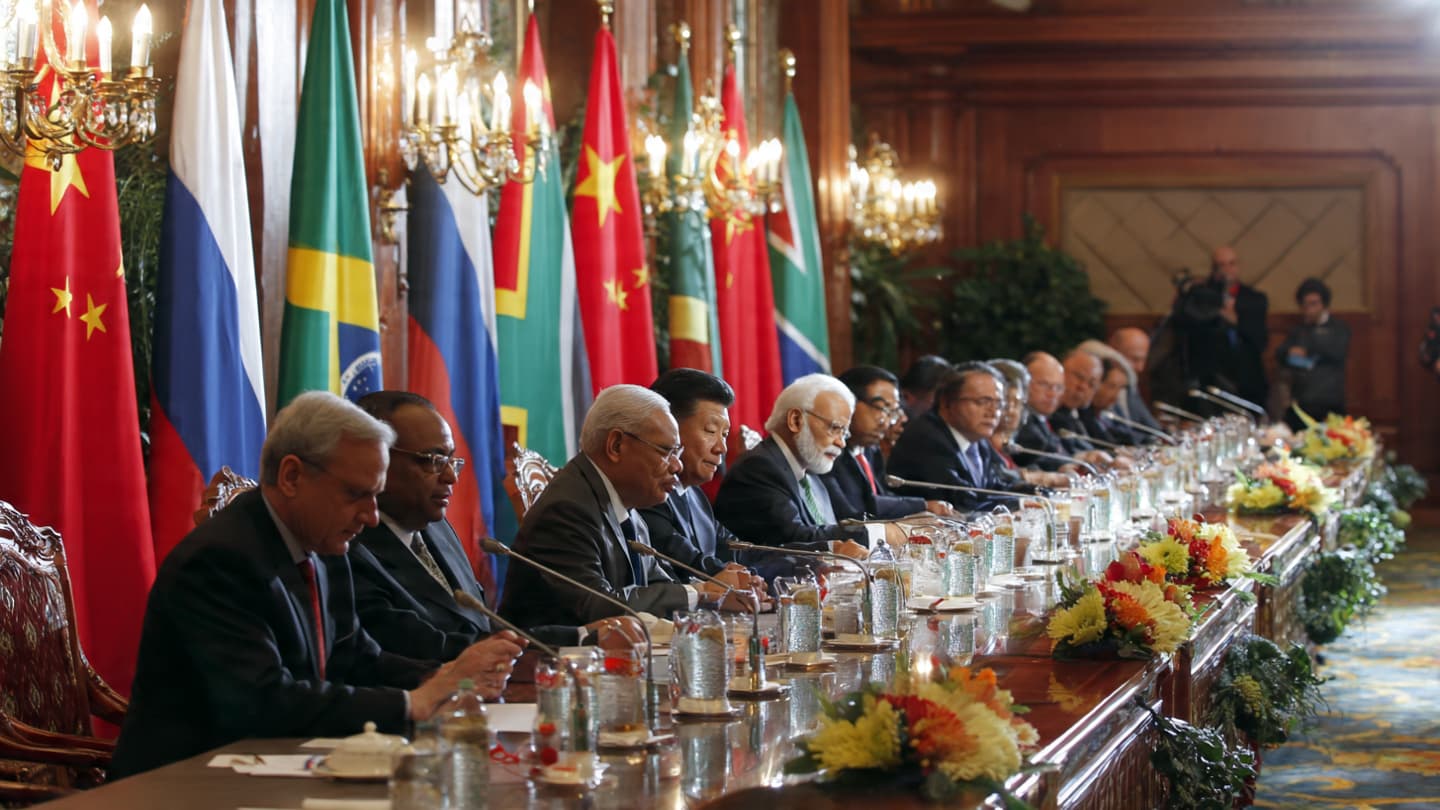
The BRICS group — consisting of Brazil, Russia, India, China, South Africa, and several newer members — has grown increasingly influential in global economic and political discussions. Although the bloc does not operate as a formal military alliance, its expanding diplomatic coordination often attracts international attention during major geopolitical crises.
Analysts suggest Iran’s outreach reflects broader changes within international diplomacy, where countries increasingly seek support through alternative global forums outside traditional Western-led institutions. BRICS, in particular, has become associated with discussions surrounding economic independence, trade diversification, and strategic balance.
Responses from individual BRICS members have remained cautious and varied. Some governments emphasized the importance of regional stability and dialogue, while others avoided direct alignment with Iran’s position. Differences in foreign policy priorities among member states continue shaping how the bloc approaches sensitive international conflicts.
The request also highlights how Middle Eastern tensions increasingly intersect with global power competition. Regional conflicts now frequently involve economic interests, energy security concerns, and diplomatic positioning extending far beyond the immediate area of confrontation.
Meanwhile, international energy markets continue monitoring developments closely. Political instability involving Iran and Gulf security remains particularly important because of the region’s central role in global oil transportation and supply chains.
Diplomatic observers note that public condemnations within international organizations often carry symbolic significance even when they do not directly alter military realities. Such statements can influence global perception, strengthen negotiating positions, and shape broader geopolitical narratives.
As BRICS nations continue internal discussions, the situation reflects a larger transformation unfolding within international relations. In an increasingly interconnected yet divided world, global influence is no longer concentrated solely within traditional power centers, and emerging alliances continue redefining how diplomacy operates during moments of crisis.
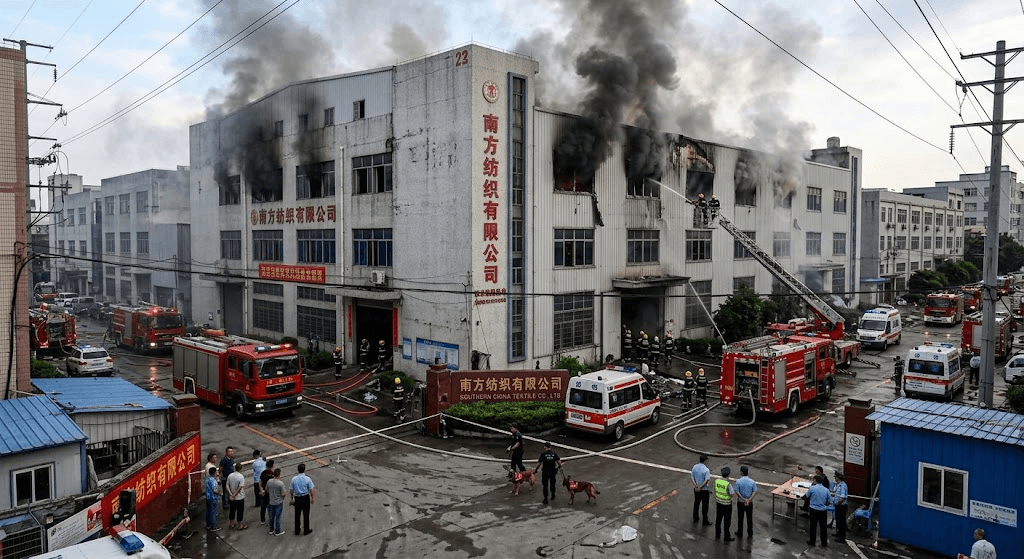
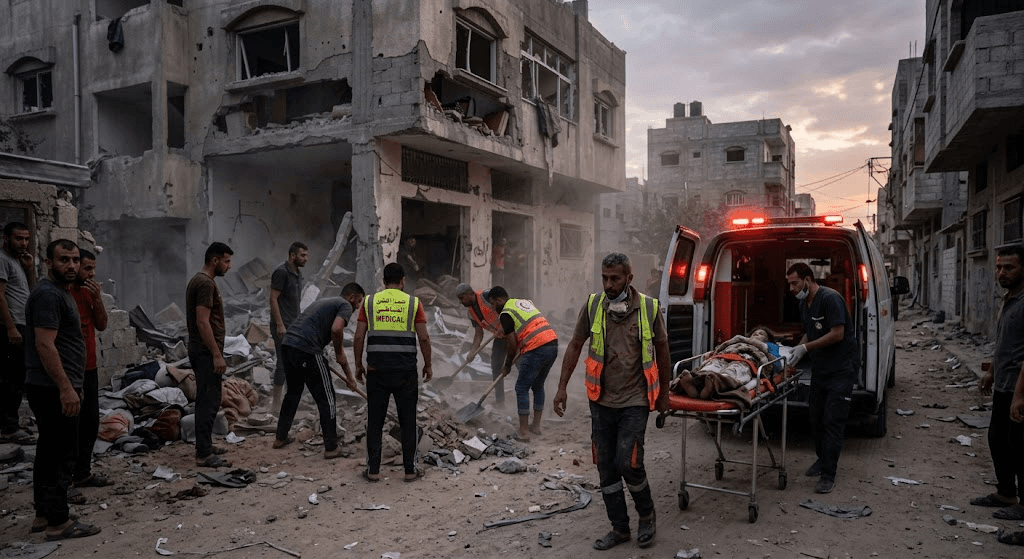
AI Image Disclaimer: Some illustrations related to this article are AI-generated editorial visuals inspired by international diplomatic events.
Sources Al Jazeera Reuters Bloomberg Associated Press
Published by Banx Network. This article is part of the Banx decentralized media programme, powered by the BXE token on the XRP Ledger.