
Key Highlights
- Increased Drone Usage:Military forces in Sudan are deploying drones against rival groups.
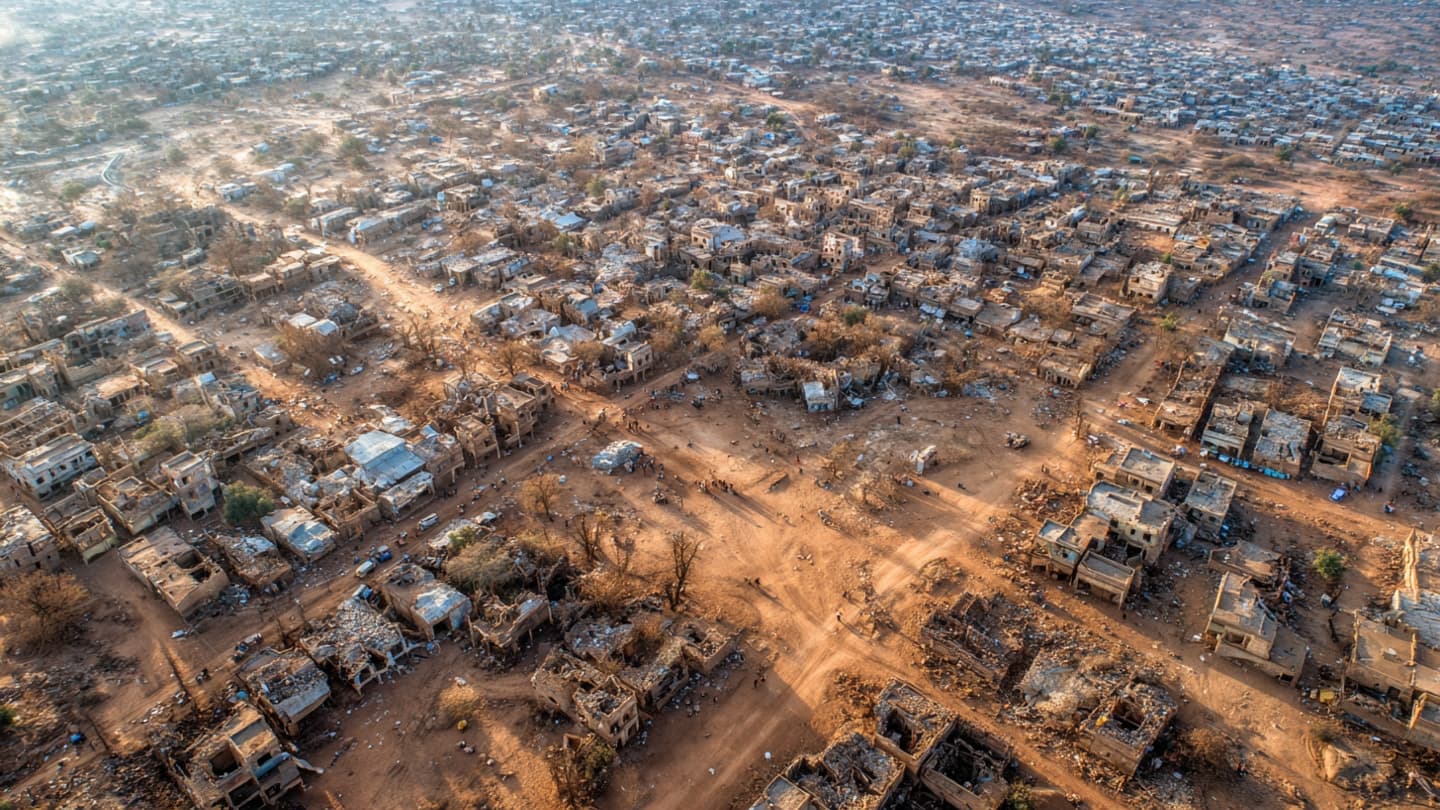
- Humanitarian Concerns:Urban fighting and drone strikes have devastated civilian infrastructure.
- Displacement Crisis:The conflict has led to millions being displaced since it began in 2023.
The ongoing conflict in Sudan has taken a dire turn as the use of drones becomes increasingly prevalent on the battlefield. This internal strife, which has already displaced millions, is now compounded by the complexities introduced by unmanned aerial vehicles (UAVs). Reports indicate that military forces are utilizing drones for operations against rival factions, particularly the Rapid Support Forces (RSF), marking a significant shift in the tactics employed in this conflict.
Military analysts have noted that drones offer critical advantages, including enhanced surveillance, intelligence gathering, and precision strike capabilities. The proliferation of these technologies reflects a broader trend observed in global conflicts, where UAVs have become integral to military strategy. In Sudan, the implications of this technological shift are profound, as they not only alter tactical decision-making but also raise significant concerns regarding civilian safety.
Humanitarian organizations are sounding alarms over the impact of drone warfare on civilians. The ongoing urban combat and aerial operations have resulted in extensive damage to homes, hospitals, and vital infrastructure across various regions. As the conflict escalates, the humanitarian crisis deepens, with millions of people forced to flee their homes and seek refuge in safer areas. Access constraints and funding shortages continue to hinder the efforts of humanitarian agencies trying to provide relief to those affected.
Since the conflict erupted in 2023, it has triggered one of the largest displacement crises in the world. International organizations have repeatedly called for ceasefire agreements and greater humanitarian access, yet diplomatic initiatives led by regional and international actors have yielded limited results. The situation remains precarious, with civilians caught in the crossfire of competing forces and shifting battle lines.
Experts warn that the increasing reliance on drones could escalate hostilities further if political negotiations do not progress. While technology plays a crucial role in modern warfare, it is essential to recognize that political solutions are fundamental to achieving lasting peace. The complexities of the conflict in Sudan underscore the need for all parties to prioritize civilian protection and engage in meaningful dialogue to address the root causes of the violence.
As the situation evolves, the international community must remain vigilant and responsive to the humanitarian needs arising from this conflict. The use of drones, while providing tactical advantages, poses significant risks to civilian lives and infrastructure, necessitating urgent action to safeguard those caught in the turmoil.
AI Image Disclaimer: Images used with this article are AI-generated visual interpretations and do not depict actual events.
Published by Banx Network. This article is part of the Banx decentralized media programme, powered by the BXE token on the XRP Ledger.



