The character of security has continued to evolve alongside technological progress. Innovations that once promised greater efficiency for commerce, research, and recreation have also introduced new challenges for governments responsible for protecting public safety. As unmanned aerial systems become more accessible and capable, many countries are reassessing how they prepare for risks that were far less prominent only a decade ago.
The United Kingdom has announced additional measures to strengthen its readiness against emerging security threats involving drones. Government officials and security agencies are reviewing operational capabilities, surveillance systems, and response procedures as unmanned aircraft become increasingly common in both civilian and commercial environments. The initiative reflects a broader effort to ensure that technological advancement is matched by effective security planning.
Authorities note that drones serve many legitimate purposes, including infrastructure inspection, environmental monitoring, emergency response, photography, agriculture, and scientific research. At the same time, officials recognize that the same technology may be misused in ways that pose risks to airports, public gatherings, critical infrastructure, or sensitive government facilities. Preparing for these possibilities has therefore become an important element of national security planning.
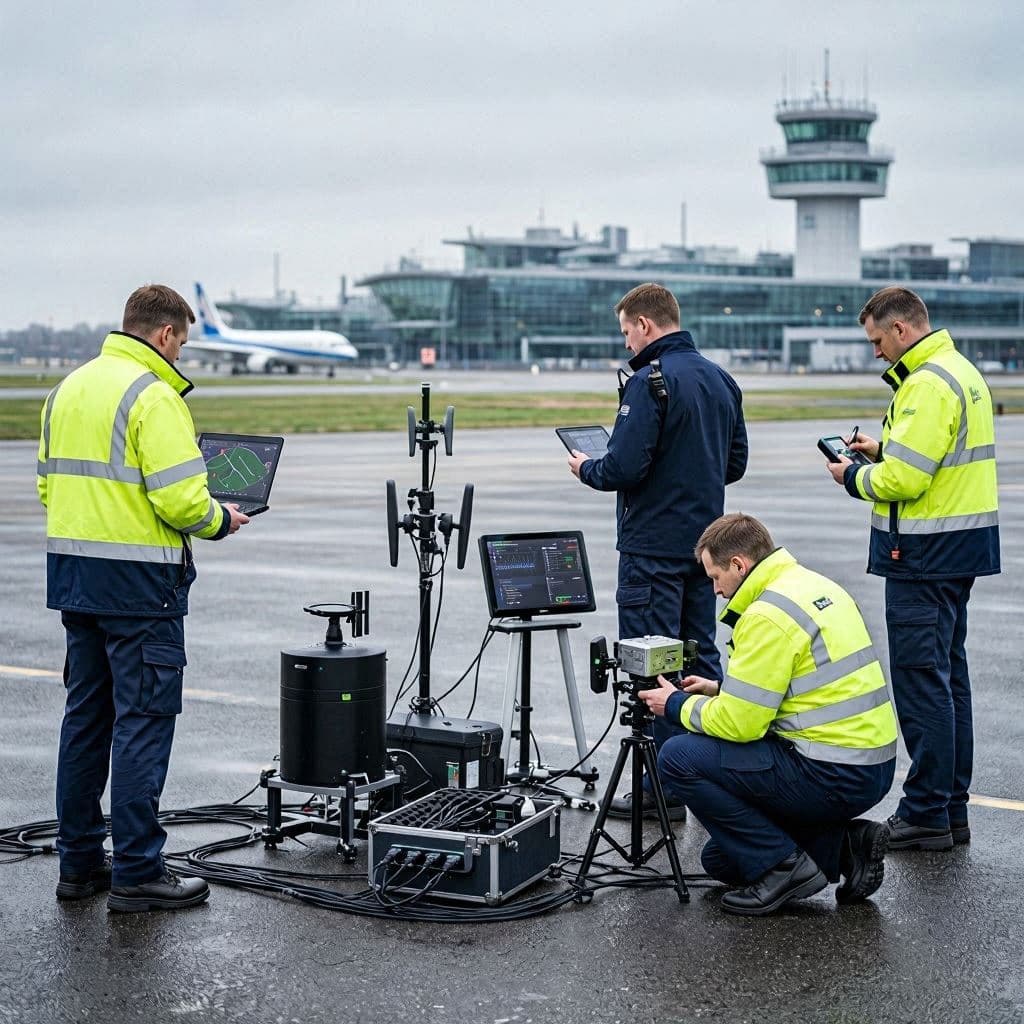
To address these concerns, security agencies are expanding investments in drone detection technologies, electronic monitoring systems, and coordinated response capabilities. Modern counter-drone systems are designed to identify unauthorized aircraft, assess potential risks, and support law enforcement or defense personnel in responding safely and proportionately when necessary.
The initiative also emphasizes cooperation across multiple sectors. Government departments are working alongside aviation authorities, police forces, defense organizations, technology companies, and academic institutions to strengthen both preventive measures and operational readiness. Officials believe that collaboration between public and private organizations will play an increasingly important role as drone technology continues to evolve.
Experts point out that maintaining security requires balancing innovation with responsible regulation. Many industries rely on drones to improve productivity and reduce operational costs, making it important that protective measures do not unnecessarily restrict legitimate commercial or scientific activities. Policymakers therefore continue evaluating regulatory frameworks that encourage innovation while protecting public safety.
International cooperation remains another key component of the strategy. Because drone technology is widely available across borders, governments are sharing technical expertise, operational experiences, and regulatory approaches through partnerships with allied nations and international aviation organizations. Such cooperation helps improve collective preparedness against emerging security challenges that extend beyond national boundaries.
As technology continues advancing, officials expect drone capabilities to become even more sophisticated in the coming years. The United Kingdom's renewed focus on preparedness reflects an ongoing effort to strengthen resilience while supporting the safe and responsible use of unmanned systems. Policymakers emphasize that continued investment, cooperation, and innovation will remain essential as the security landscape continues to change.
AI-generated image disclaimer: The accompanying visuals are AI-generated illustrations intended to represent the subject matter and should not be interpreted as photographs of actual events.
Source verification check: Reuters, BBC News, The Guardian, UK Ministry of Defence, Civil Aviation Authority
Published by Banx Network. This article is part of the Banx decentralized media programme, powered by the BXE token on the XRP Ledger.