Artificial intelligence has gradually moved from science fiction into everyday reality, influencing industries ranging from healthcare to transportation. Now, new international research suggests public attitudes toward military uses of AI may also be evolving, with growing acceptance reported across several countries surveyed in a recent global study.
Researchers found that support for AI-assisted defense systems appears to be increasing, particularly in areas involving surveillance, cybersecurity, logistics, and defensive coordination. Public opinion, however, remains more divided regarding autonomous weapons capable of making lethal decisions without direct human oversight.
The study examined responses from participants across multiple countries, reflecting differences shaped by political culture, security concerns, and technological familiarity. Analysts noted that societies experiencing greater geopolitical tension often showed stronger support for advanced defense technologies.
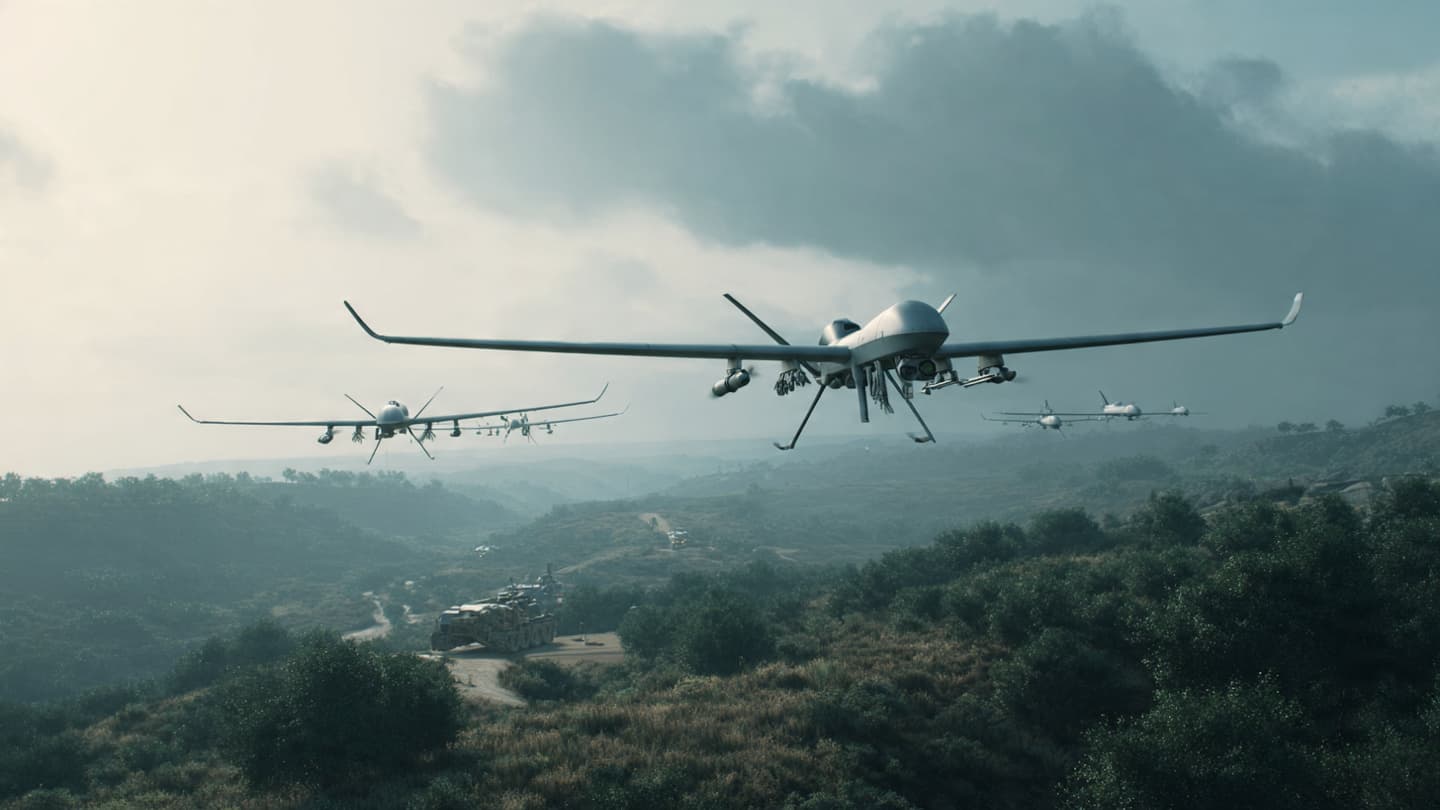
Military organizations worldwide are already investing heavily in artificial intelligence systems. AI applications currently assist with intelligence analysis, drone coordination, battlefield communication, predictive maintenance, and satellite monitoring. Supporters argue such technologies may improve operational efficiency and reduce risks for military personnel.
At the same time, ethical concerns remain central to international debate. Human rights groups and technology experts continue warning about accountability, decision-making transparency, and the potential dangers of autonomous weapons systems operating without sufficient human control.
Several governments and international institutions have called for global regulations governing military AI development. Discussions at the United Nations and other diplomatic forums increasingly focus on establishing ethical standards and legal frameworks before technology advances further.
Researchers also observed that public perception of AI often changes alongside broader exposure to the technology in civilian life. As artificial intelligence becomes more familiar through smartphones, transportation systems, and online services, some populations appear more comfortable with its use in national security contexts.
Defense analysts caution that military adoption of AI may reshape global strategic competition in significant ways. Countries investing heavily in autonomous systems could gain technological advantages influencing future defense planning and international security relationships.
As debate continues, the study reflects a world adjusting to rapid technological transformation. Artificial intelligence is no longer viewed solely as a distant possibility, but as a growing part of political, economic, and military reality. How societies choose to manage that transition may shape the future of both security and ethics in the decades ahead.
AI Image Disclaimer: Certain visuals associated with this article are AI-generated editorial illustrations based on defense technology themes.
Sources ArXiv Reuters MIT Technology Review Associated Press
Published by Banx Network. This article is part of the Banx decentralized media programme, powered by the BXE token on the XRP Ledger.