

Key Highlights
- Iran's missile test raises alarms about regional security dynamics.
- The missile reportedly has the capability to reach parts of Europe.
- Western governments express concerns over potential destabilization in the Middle East.
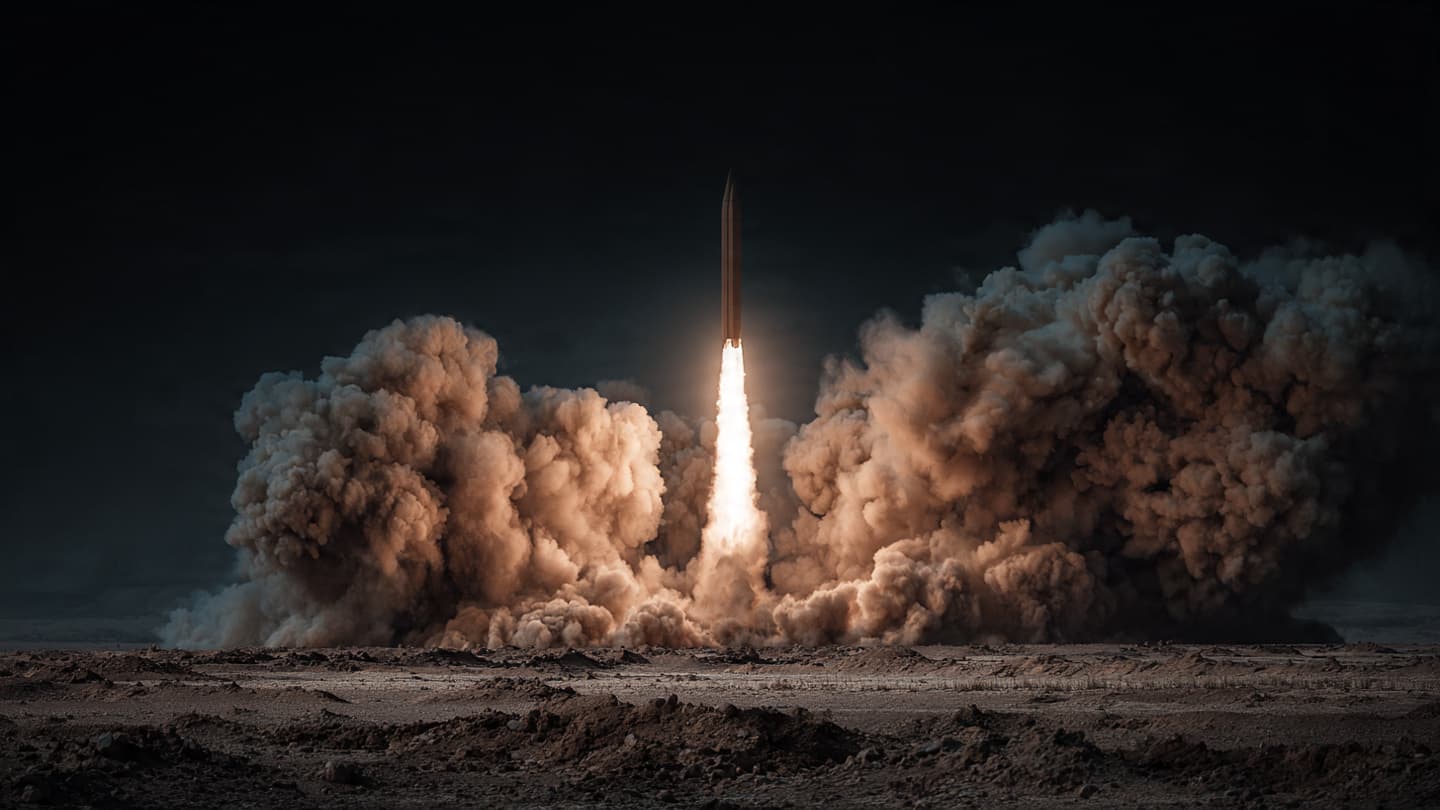
Iran's recent test of a long-range ballistic missile has reignited fears regarding regional security and the delicate balance of power in the Middle East. The missile, which reportedly has the capability to reach targets beyond the region, has drawn immediate attention from defense analysts and international observers alike. This development underscores the ongoing tension between military advancements and diplomatic negotiations in a volatile geopolitical landscape.
According to various defense analysts, the missile's extended range capabilities could potentially place parts of Europe within its operational reach. Iranian officials have characterized the test as a crucial component of their national defense strategy, emphasizing the importance of sovereignty and preparedness in the face of perceived threats. This assertion reflects Iran's long-standing position that its military developments are defensive rather than offensive in nature.
The implications of such missile tests extend far beyond Iran's borders. Ballistic missile programs are among the most scrutinized elements of international security policy, as they can significantly alter deterrence calculations. Unlike conventional military systems, long-range missiles expand the geographic scope of strategic influence, prompting immediate diplomatic reactions from Western governments. Officials have expressed concern that continued missile development could exacerbate regional instability and complicate ongoing diplomatic efforts, particularly those related to nuclear negotiations.
Iran's leadership has consistently maintained that its missile program is a necessary response to regional military threats and international sanctions. They argue that the investment in domestic defense capabilities is justified, especially given the complex security environment in the Middle East. Furthermore, Iranian officials have emphasized that their missile development efforts are distinct from nuclear-related discussions, seeking to clarify their position in the international arena.
The broader context of this missile test is marked by a period of heightened global tensions, with multiple international conflicts unfolding simultaneously. Analysts caution that military demonstrations, such as missile tests, can significantly influence diplomatic negotiations, even in the absence of immediate confrontations. The strategic signaling involved in such actions often relies on perception, complicating the already intricate web of international relations.
In response to these developments, international organizations continue to advocate for diplomatic engagement as a means to mitigate escalation risks. Arms control experts stress the importance of maintaining open communication channels to prevent misunderstandings between regional and global powers. Historical precedents indicate that military advancements without corresponding diplomatic dialogue can lead to long-term instability, making the need for constructive engagement all the more critical.
As governments assess the implications of Iran's missile test, the challenge remains to balance national security concerns with the imperative of preserving regional stability. While advances in military technology will undoubtedly continue to reshape the strategic landscape, the path to lasting security will likely depend as much on diplomatic efforts and restraint as on the capabilities of the weapons themselves.
Published by Banx Network. This article is part of the Banx decentralized media programme, powered by the BXE token on the XRP Ledger.




