
Key Highlights
- Vatican Initiative:Pope Leo XIV releases an encyclical on AI and human dignity.
- Ethical Focus:The document emphasizes moral responsibility in technological development.
- Global Debate:AI's impact on labor, privacy, and society is increasingly scrutinized.
The rapid advancement of technology often resembles a fast-moving river, propelling humanity toward possibilities that were once confined to the realm of imagination. However, as innovation surges forward, societies grapple with enduring questions about dignity, ethics, and the essence of humanity in an age increasingly dominated by automation. These concerns have come to the forefront with a new initiative from the Vatican addressing the implications of artificial intelligence (AI).
Pope Leo XIV has reportedly released a new encyclical that delves into the intersection of artificial intelligence and human dignity. This document not only reflects the Vatican's engagement with contemporary technological issues but also involves discussions with key figures from the tech industry, including a co-founder of Anthropic, a company known for its focus on AI safety and responsible development. This initiative underscores the growing global attention toward the ethical ramifications of rapidly evolving AI systems.
According to reports surrounding the Vatican's initiative, the encyclical emphasizes the necessity of ensuring that technological advancements align with moral responsibility and the protection of fundamental human values. It addresses critical issues such as labor dynamics, decision-making processes, privacy concerns, and the broader social effects of machine intelligence. By framing these discussions within a moral context, the Vatican aims to guide the development of technology in a way that prioritizes human dignity.
Artificial intelligence has increasingly become a focal point of international ethical debate, as governments, corporations, and academic institutions strive to balance innovation with necessary safeguards. Religious institutions, including the Vatican, have begun to play a more active role in these conversations, recognizing that the societal impact of emerging technologies extends beyond technical considerations.
Anthropic's involvement in the Vatican's discussions highlights the importance of collaboration between faith leaders and technology executives. This dialogue signifies that concerns regarding AI now transcend engineering circles, engaging a broader audience in the quest for ethical frameworks governing advanced artificial intelligence. Observers note that the Vatican has historically addressed significant technological and social transformations through formal doctrinal documents, often encouraging reflection on human welfare and ethical responsibility during periods of rapid change.
Experts in digital ethics argue that the discourse surrounding AI increasingly necessitates interdisciplinary participation. This includes contributions from philosophers, religious thinkers, scientists, policymakers, and technology developers. As automation and machine autonomy continue to influence global policy discussions, the need for a comprehensive approach to these issues becomes ever more pressing.
Simultaneously, technology companies are facing mounting pressure to demonstrate transparency, accountability, and safeguards in their AI deployments. Public concerns regarding misinformation, surveillance, and labor disruption have intensified as AI systems become more prevalent in everyday life. The Vatican's latest intervention illustrates how debates surrounding artificial intelligence are evolving into broader discussions about humanity, responsibility, and the values that will shape future technological progress.
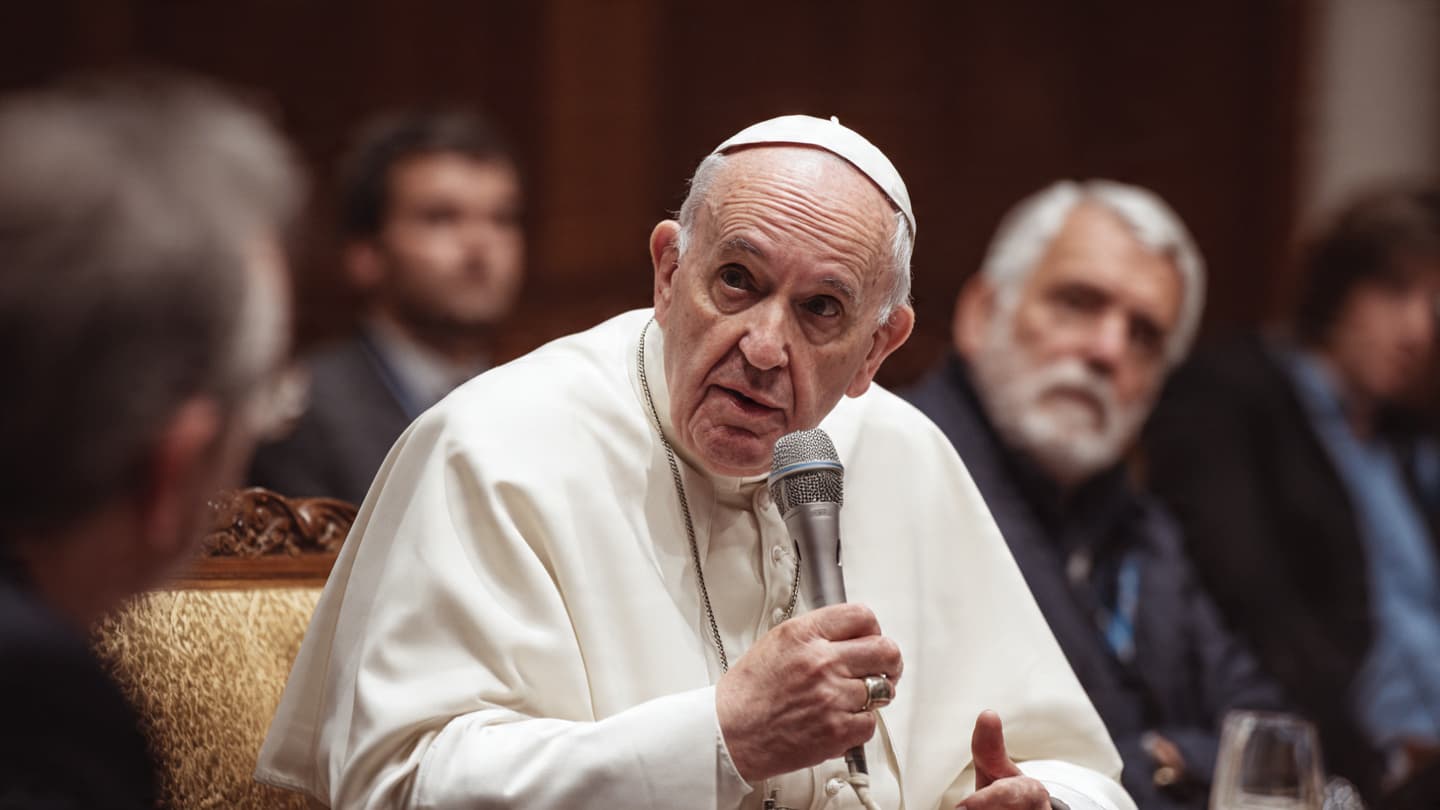
The visuals featured in this article are AI-generated illustrations intended to support reporting on technology ethics and artificial intelligence.
Published by Banx Network. This article is part of the Banx decentralized media programme, powered by the BXE token on the XRP Ledger.



