There are moments in science that feel less like invention and more like listening—quiet acts of attention where patterns long hidden begin to speak. Enzymes, the small and tireless workers of biology, have always followed their own internal logic, folding and unfolding in ways that sustain life itself. For years, scientists have tried to guide them gently, nudging their forms through trial and patience. Now, with the arrival of artificial intelligence, that guidance feels less like guesswork and more like conversation.
In recent research, scientists have introduced an AI-driven method that allows enzymes to be designed with remarkable precision. Instead of relying solely on slow experimental cycles, researchers trained advanced models to understand how amino acid sequences shape an enzyme’s structure and efficiency. Like a map that reveals both roads and terrain, the system predicts how subtle changes can enhance performance, stability, or selectivity—often before a molecule is ever built in the lab.
What emerges from this approach is not just speed, but clarity. The AI can explore millions of possible configurations, identifying promising designs that human intuition alone might never reach. These custom enzymes have demonstrated significantly higher efficiency in early tests, suggesting applications across medicine, renewable energy, food production, and sustainable chemistry. The process feels less mechanical than organic: data feeding insight, insight guiding design, design returning to nature with renewed purpose.
Researchers emphasize that the method does not replace human expertise but extends it. Scientists still define goals and constraints, while AI provides a broad, patient exploration of molecular possibilities. In this partnership, creativity becomes shared—human judgment setting direction, machine learning uncovering paths. The result is a quieter revolution, one that reshapes how biological tools are imagined rather than loudly declaring their arrival.
As this technique matures, its implications widen. Custom enzymes could accelerate drug development, break down pollutants more effectively, or enable greener industrial reactions. Each success adds weight to a growing sense that AI’s role in biology is not about domination, but about refinement—helping researchers see what complexity once obscured.
In straightforward terms, early results show that AI-designed enzymes can outperform traditionally engineered ones in both efficiency and specificity. Further validation and scaling remain ahead, but the method is already being adopted by academic labs and industry groups. Without fanfare or force, a new way of shaping life’s smallest machines is quietly taking hold.
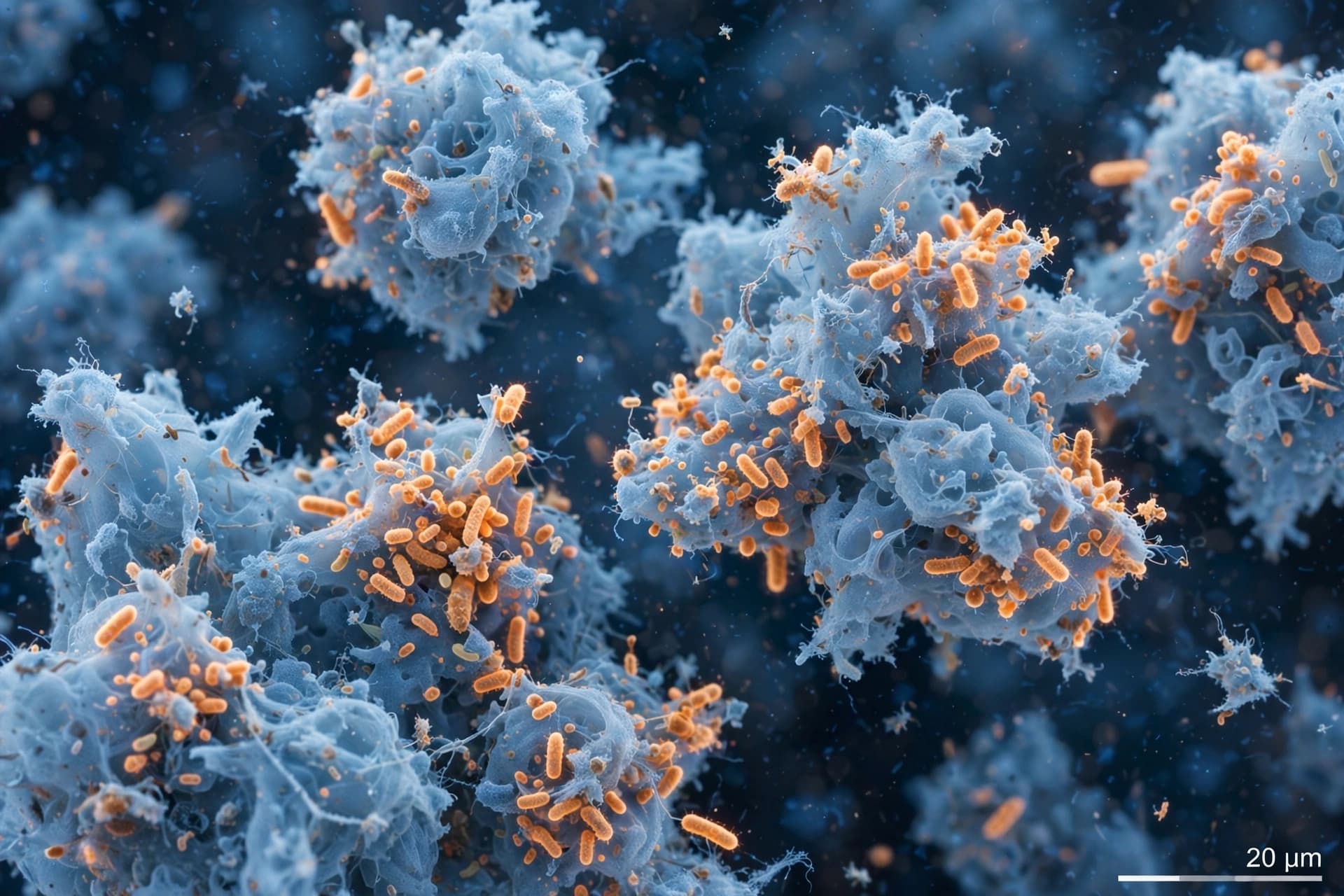
AI Image Disclaimer “Illustrations were produced with AI and serve as conceptual depictions.”
Source Check Credible sources identified (media names only):
Nature Science MIT News The Guardian (Science & Technology) Phys.org
Published by Banx Network. This article is part of the Banx decentralized media programme, powered by the BXE token on the XRP Ledger.