
Key Highlights
- Recent diplomatic meetings in Beijing showcased tea diplomacy between China and Russia.
- The meetings emphasized warmth and stability amid global tensions.
- Analysts note the strategic importance of diplomatic optics in international relations.
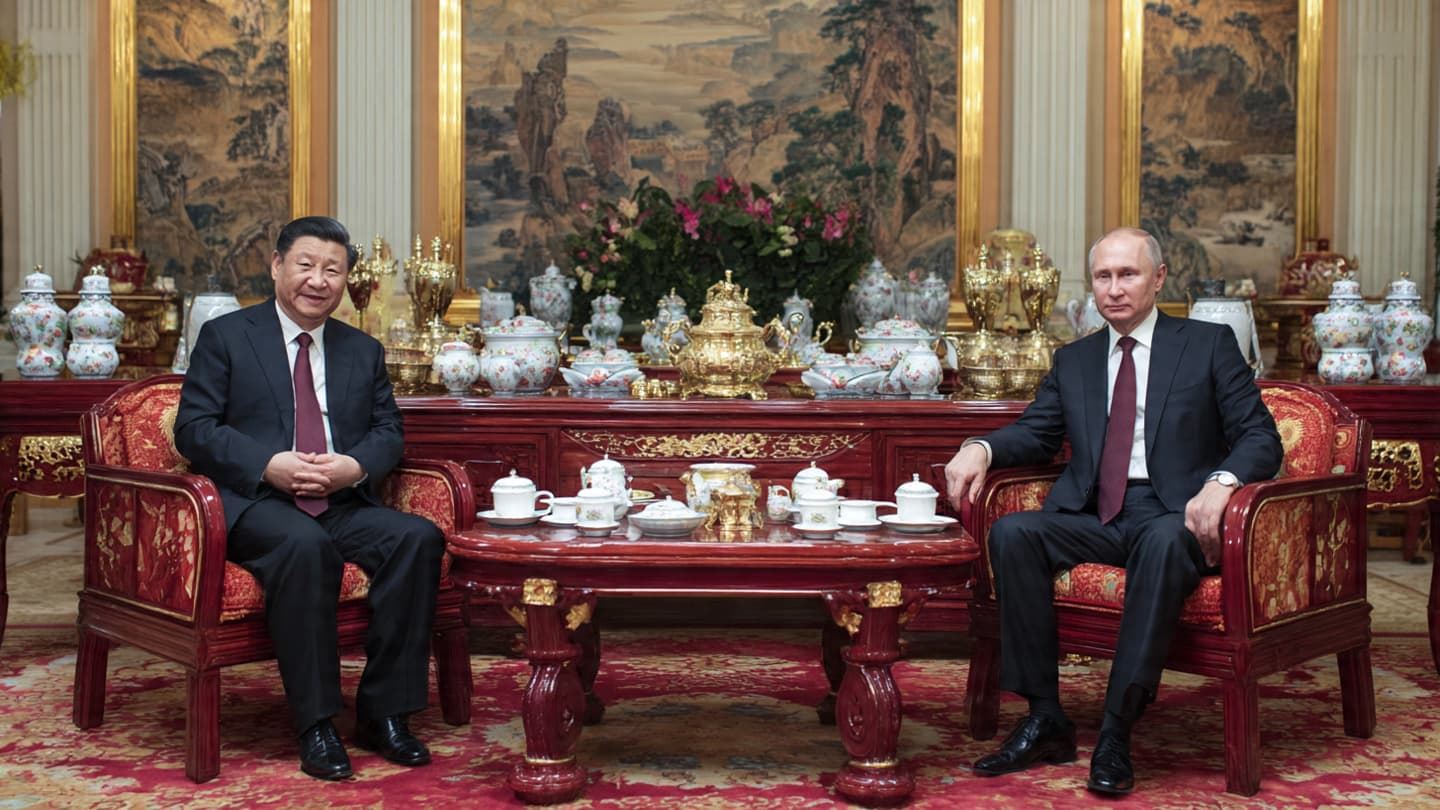
In the realm of international relations, diplomacy often transcends formal agreements and statements, manifesting through subtle gestures and shared experiences. A recent series of meetings in Beijing involving Chinese President Xi Jinping and Russian President Vladimir Putin exemplified this notion, as the two leaders engaged in what has been termed 'tea diplomacy.' This approach highlights the significance of symbolic interactions in shaping geopolitical relationships during a time of increasing uncertainty.
The meetings, which followed a visit from former U.S. President Donald Trump, were marked by carefully orchestrated displays of camaraderie and hospitality. Chinese state media portrayed the encounters as warm and stable, emphasizing moments of tea service and friendly conversation between the two leaders. Such visual messaging is seen as strategically important, particularly as China and Russia position themselves as allies in a rapidly evolving global landscape.
The backdrop of these meetings is characterized by ongoing geopolitical tensions involving the United States, Russia, and China. Trade disputes, military competition, and differing perspectives on issues like Ukraine have complicated relations among these major powers. In this context, Beijing's diplomatic balancing act has garnered significant attention, as China seeks to maintain economic ties with Western nations while simultaneously deepening its political and strategic partnership with Moscow.
For Russia, engaging closely with China serves to project an image of resilience and partnership, particularly in light of Western sanctions and diplomatic isolation. Chinese officials have framed their international strategy as one focused on dialogue, stability, and a multipolar world order, which resonates with their narrative of cooperation amidst global challenges.
Analysts have pointed out that the optics of diplomacy—how leaders are portrayed in public settings—can be as impactful as the official statements released following meetings. Images of leaders sharing a cup of tea or smiling together can convey reassurance to domestic audiences while signaling alignment to the international community. This aspect of diplomacy is particularly relevant in the current climate, where perceptions can significantly influence political dynamics.
As Western governments keep a close watch on the evolving relationship between Beijing and Moscow, concerns regarding trade, technology, and strategic cooperation remain at the forefront. The implications of these high-profile diplomatic engagements extend beyond mere symbolism, intertwining with broader questions of global influence and regional security.
The meetings concluded with statements that underscored cooperation and mutual respect, yet the overarching geopolitical competition among major powers continues to shape the international landscape. As China and Russia navigate their partnership, the world watches closely, aware that the outcomes of such diplomatic efforts could have far-reaching consequences.
Published by Banx Network. This article is part of the Banx decentralized media programme, powered by the BXE token on the XRP Ledger.



