On a winter morning when wind drifts across distant fields and into city markets, the simple taste of milk and cheese can become something far more complex than a sensory memory. In the corridors of global trade, every commodity carries stories — of farmers, consumers, and the invisible hands of policy that shape how goods cross borders. In Beijing this week, a fresh chapter began in that narrative, as China announced provisional duties on a range of dairy products imported from the European Union.
The backdrop is a long-running dialogue between two economic giants — sometimes harmonious, sometimes fraught. In August 2024, Beijing initiated an anti-subsidy probe into certain EU dairy imports, after applications from domestic industry groups raised concerns about unfair competitive pressures. That inquiry, unfolding over more than a year, concluded that some EU products benefited from subsidies and that those imports had caused material harm to China’s own dairy producers. On that basis, China’s Ministry of Commerce said it would begin provisional countervailing measures this month with tariffs ranging from about 21.9% to as high as 42.7%.
The move targets items such as milk, cheese, high-fat cream, and curd. The highest rates will apply to firms that did not cooperate with the investigation, while others face somewhat lower duties — a subtle reminder that engagement with trade processes can matter in outcomes.
For many Chinese dairy farmers and processors, these levies represent needed protection. Local producers have often grappled with imported goods sold at prices that, domestic stakeholders argue, reflect subsidized support systems abroad. In Beijing’s telling, the provisional tariffs create breathing space for China’s dairy sector to adapt and compete more fairly.
But these decisions resonate beyond barnyards and ports. The tariffs come amid broader tensions in China-EU economic relations, including earlier disputes over electric-vehicle subsidies and European duties on Chinese EV imports. Brussels has criticized China’s dairy tariffs as “unjustified” and questioned the evidence behind the findings, pledging to defend its agricultural interests through appropriate channels.
In the markets where these products are bought and sold, the effects may be gradual yet tangible. Higher import duties can ripple through price structures and supply chains, influencing what appears on supermarket shelves and how producers plan for future seasons. Yet beneath those practical considerations lies a deeper dialogue about fairness, reciprocity, and how interconnected economies navigate conflict without abandoning cooperation.
As the provisional duties take effect, the world watches how old partnerships adjust to new pressures. The language of tariffs and countervailing measures may seem technical, but at its heart are decisions that touch livelihoods, preferences, and the shared table where people enjoy the simple pleasures of food — even as nations negotiate the terms of their mutual prosperity.
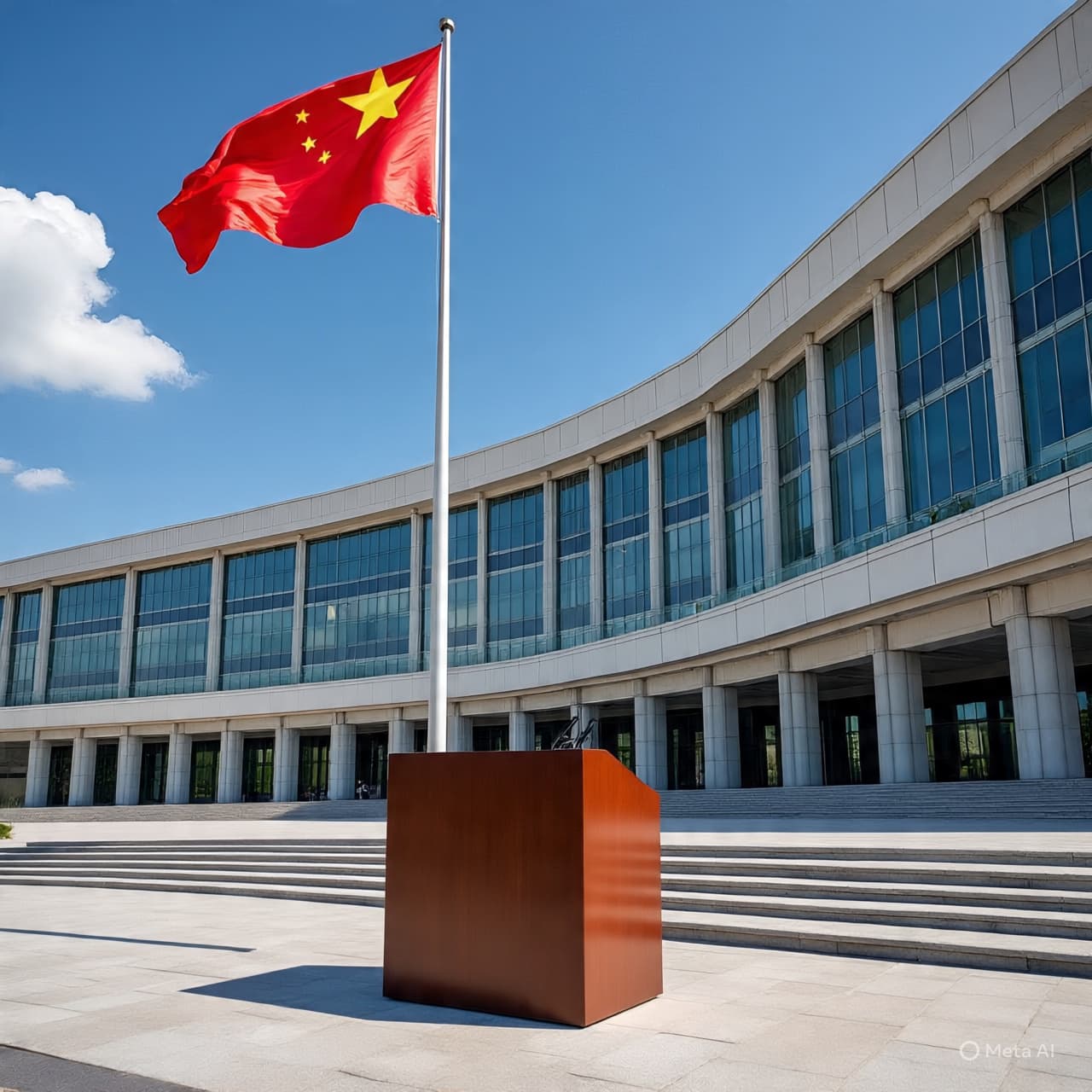
AI Image Disclaimer Images in this article are AI-generated illustrations, meant for concept only.
Sources (news) Reuters Associated Press Euronews RFI (Radio France Internationale) Turkiye Today (business)
Published by Banx Network. This article is part of the Banx decentralized media programme, powered by the BXE token on the XRP Ledger.


.jpg&w=3840&q=75 "Zelensky Warns China Is Helping Russia Develop a Starlink Rival")