
Key Highlights
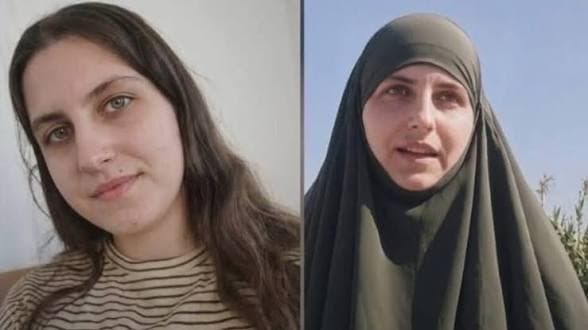
- Batoul Alloush, a student, vanished around April 29, 2023.
- A controversial video claimed she left voluntarily, but her family disputes this.
- The case highlights broader issues of abductions and forced conversions in Syria.
[Background of the Case] Batoul Suleiman Alloush, a student at Tishreen University in Latakia, Syria, has become a focal point in discussions surrounding the safety of women in conflict zones. Last seen on April 29, 2023, her disappearance sparked widespread concern and debate. Shortly after her vanishing, a video surfaced in which Alloush purportedly stated she had left her family home “of her own free will.” In the video, she mentioned a change in her religious affiliation, framing her departure as a voluntary act.
[Family's Response] However, this narrative has been vehemently contested by the Supreme Alawite Islamic Council and segments of her family’s community. They argue that the video does not reflect her true circumstances, alleging that Alloush was subjected to coercion and intimidation. This claim is supported by a broader context of abductions and forced religious conversions targeting Alawite women and girls in Syria's coastal regions. Community leaders assert that families are being pressured into silence and that public messaging is manipulated to obscure the truth.
[Questionable Evidence] In addition to the video, other materials have emerged online, including a handwritten letter attributed to Alloush and images of her identification. Family members have expressed skepticism regarding the authenticity of these documents, suggesting they do not align with her usual manner of communication. They have pointed out the suspicious timing and tone of these messages, particularly those urging the public not to disseminate information about her case, which they interpret as an attempt to control the narrative and avoid scrutiny.
[Official Statements] Contrastingly, some official accounts have reported that authorities found no evidence of kidnapping. These statements describe Alloush as “free and at liberty,” asserting that preliminary investigations indicated she left voluntarily due to personal reasons related to her faith. Reports claim that prosecutors released her after a meeting with relatives, emphasizing the need for verification through official channels. This official narrative has fueled further debate about the nature of her disappearance.
[Broader Implications] The case of Batoul Alloush has transcended her individual story, becoming emblematic of the larger issue of disappearances among Alawite women in Syria. It raises critical questions about the role of social media in shaping public perception and potentially exacerbating sectarian tensions. Critics argue that the rapid spread of conflicting narratives—whether portraying her as a victim of kidnapping or as someone who left voluntarily—can lead to increased harassment and pressure on those involved. Conversely, some assert that suppressing the story only aids perpetrators and hinders accountability.
[Conclusion] Ultimately, the unresolved nature of Batoul Alloush's case reflects a deep divide in public opinion regarding her fate. The conflicting narratives of voluntary departure versus coerced abduction remain at the forefront of discussions, with no clear resolution in sight. As the community grapples with these issues, the case serves as a poignant reminder of the complexities surrounding women's safety and agency in conflict-affected regions.
Published by Banx Network. This article is part of the Banx decentralized media programme, powered by the BXE token on the XRP Ledger.



