
Key Highlights
- Urgent Challenge:Syria's Foreign Minister identifies reconstruction as the nation's most pressing issue.
- Economic Strain:Years of conflict have left Syria's infrastructure severely damaged and basic services uneven.
- Political Implications:Reconstruction efforts are tied to the government's legitimacy and regional stability.
Syria's Foreign Minister, Asaad al-Shibani, has declared that the most urgent challenge facing the nation is the need to launch reconstruction efforts and restart economic development. His statements come as Syria continues to emerge from over a decade of conflict and international isolation, highlighting the extensive recovery required in a country where much of the infrastructure has been devastated.
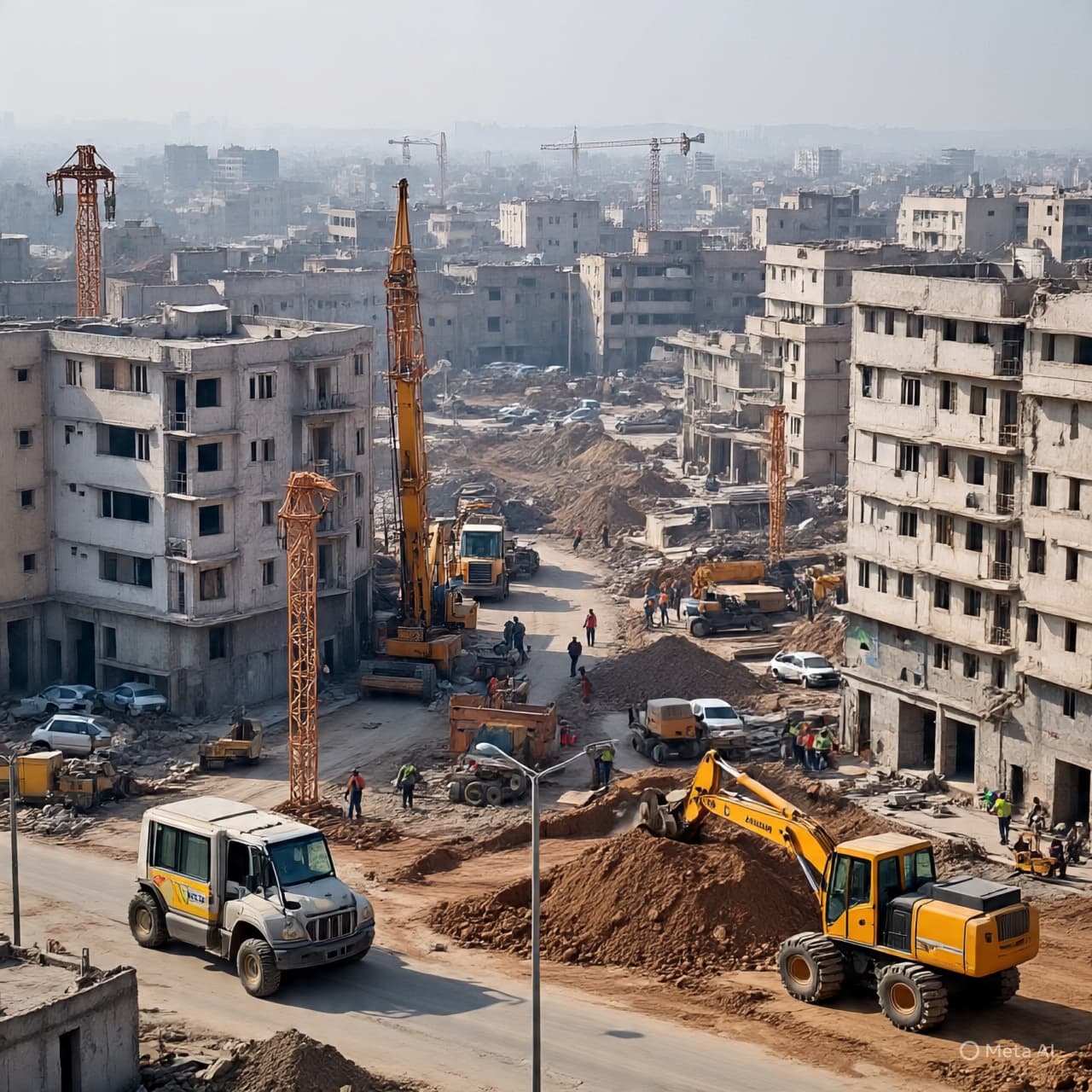
Al-Shibani's remarks signal a significant shift in focus from immediate security concerns to a longer-term vision for national recovery. While fighting has diminished in many areas, the economic landscape remains bleak. Urban districts are in dire need of rebuilding, and essential services such as healthcare and education are still inconsistent. Economic activity has struggled to regain its footing, further complicating the recovery process.
Reconstruction in Syria is not merely an economic necessity; it is also a political strategy. The government in Damascus views these efforts as a means to consolidate authority and project stability in the aftermath of years of upheaval. Successful recovery could enhance the government's domestic legitimacy and indicate that Syria is entering a new phase of development.
However, the path to reconstruction is fraught with challenges. International sanctions continue to restrict financial flows and complicate access to global banking systems. Many Western governments have conditioned their support for reconstruction on political reforms, leaving Syria to rely on alternative partners and its internal resources. This situation has significantly slowed progress and limited available options for recovery.
In recent months, there has been a notable shift in regional diplomacy. Several Arab nations have begun to re-engage with Damascus, reopening diplomatic channels and exploring limited economic cooperation. This gradual normalization reflects a growing recognition that Syria's stability has implications that extend beyond its borders, particularly concerning migration, security, and regional trade routes.
Rebuilding an economy after years of conflict is inherently complex. The damage to infrastructure goes beyond what is immediately visible, affecting institutions, disrupting supply chains, and diminishing investor confidence. Even when reconstruction efforts commence, restoring sustainable economic activity is a lengthy process that requires more than just physical rebuilding.
For the Syrian leadership, emphasizing reconstruction serves a dual purpose. It not only highlights the government's commitment to economic recovery as a cornerstone of long-term stability but also acts as a diplomatic message to potential partners. The narrative surrounding reconstruction is crucial for garnering international support and fostering economic reintegration.
As the world watches Syria's reconstruction efforts, the pace and scope of recovery will likely influence broader geopolitical dynamics, including regional economic integration and the balance of power among external actors involved in Syria's conflict.
Ultimately, the challenge of reconstruction is as much about political engagement as it is about financial resources. It requires a concerted effort to rebuild physically while also fostering diplomatic relations and ensuring sustained stability. Al-Shibani's comments underscore that Syria's future will be shaped not only by the remnants of conflict but also by the arduous journey of rebuilding what has been lost.
Published by Banx Network. This article is part of the Banx decentralized media programme, powered by the BXE token on the XRP Ledger.



