Names carry weight, serving as anchors to history, geography, and identity. When a name is changed, it is rarely just a matter of semantics; it is a statement of power, perspective, or protest. In the wake of President Donald Trump’s executive order renaming Lake Ontario to "Lake America," a ripple effect has reached the shores of Pennsylvania, where a state lawmaker is proposing a similar change for Lake Erie. This move, framed as both a patriotic gesture and a political counterpoint, highlights the complex interplay between federal authority and local sentiment.
State Representative David Maloney has introduced a resolution calling on the federal government to rename Lake Erie to "Lake Pennsylvania." The proposal comes in response to the President’s decision to rebrand Lake Ontario, a move that has sparked debate across the border and within the United States. For Maloney, the suggestion is a way to assert state pride and align with the administration’s nationalist rhetoric. It is a symbolic act, reflecting a desire to claim ownership over shared natural resources in an era of heightened political polarization.
The Great Lakes, however, are binational treasures, shared by the United States and Canada. Their names are rooted in Indigenous languages and colonial history, carrying meanings that predate modern political boundaries. Lake Erie, for instance, derives from the Eriez, an Indigenous people who once inhabited the region. Changing such a name raises questions about heritage, respect for Indigenous cultures, and the practical implications for navigation, commerce, and international relations.
Critics of the proposal argue that renaming the lake is unnecessary and potentially divisive. They point out that the current name is well-established and recognized globally. For many residents, the idea of changing it feels like a disruption of tradition rather than a celebration of patriotism. The logistical challenges alone—updating maps, signs, and legal documents—would be significant, raising concerns about cost and efficiency.
Supporters, meanwhile, see the move as a bold statement of American identity. In a political climate where symbolism often drives discourse, renaming the lake is viewed as a way to reinforce national unity and pride. It reflects a broader trend of reevaluating historical names and symbols through a contemporary lens. For some, it is a way to honor the state’s contribution to the region’s economy and culture.
The reaction from neighboring states and Canada has been mixed. While some view the proposal as a harmless expression of state pride, others worry about the precedent it sets. If one lake can be renamed for political reasons, what stops others from following suit? The potential for confusion and diplomatic friction is real, particularly in regions where cross-border cooperation is essential for environmental protection and trade.
As the resolution moves through the legislative process, it invites public dialogue about the meaning of place and identity. It challenges residents to consider what their lakes represent to them: shared resources, historical landmarks, or symbols of national pride. The outcome may be uncertain, but the conversation itself is significant, reflecting the ongoing negotiation of values in a diverse society.
In the end, the proposal to rename Lake Erie is more than a political maneuver; it is a reflection of the times. It underscores the power of names to shape perception and the enduring importance of place in our collective consciousness. Whether the name changes or not, the lake remains a vital part of the region’s natural and cultural landscape.
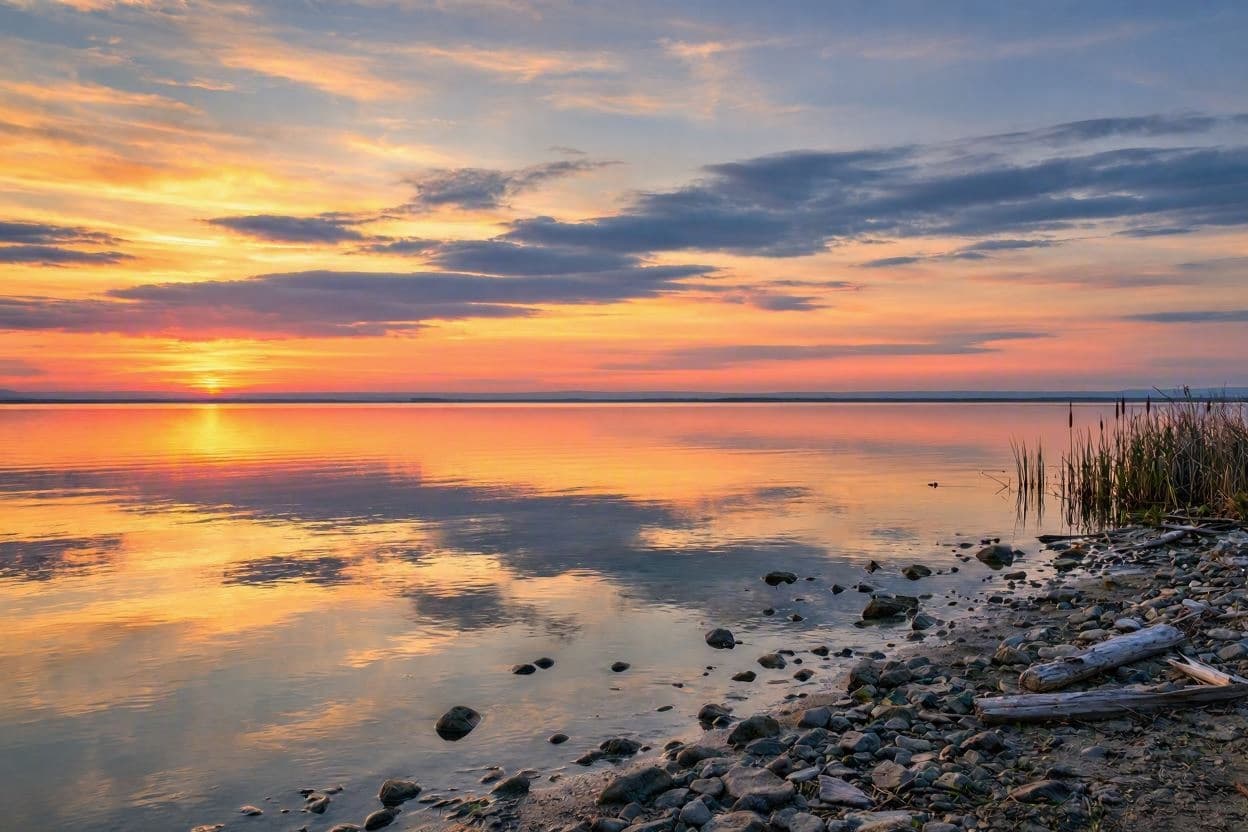
AI Image Disclaimer: The visual elements accompanying this article are AI-generated interpretations designed to illustrate the themes of geographic naming and political symbolism, without depicting specific real-world politicians or official documents.
Sources: WGAL News, Newsweek, York Daily Record, CBC News
Published by Banx Network. This article is part of the Banx decentralized media programme, powered by the BXE token on the XRP Ledger.