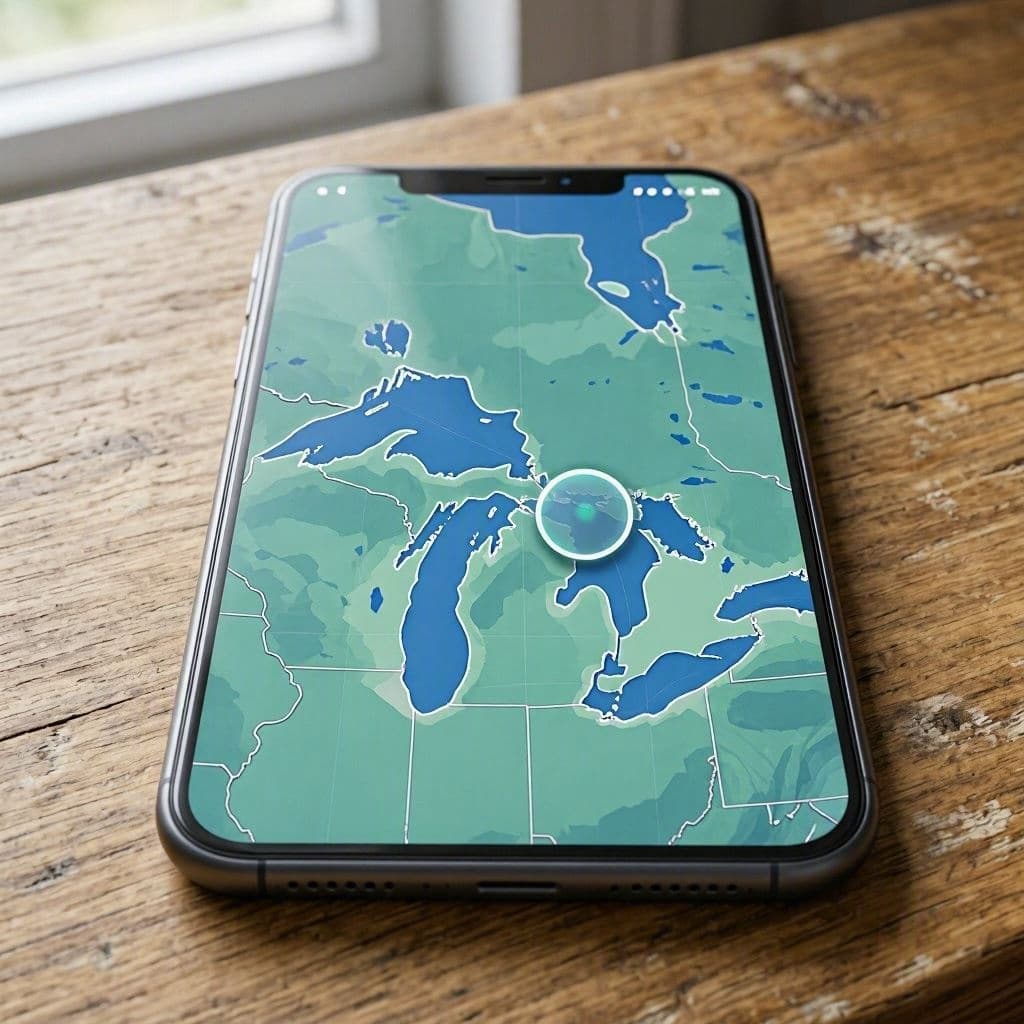
Maps are more than mere tools for navigation; they are reflections of history, geography, and shared identity. They tell us where we are and, in a sense, who we are. When a former president suggests renaming a historic natural landmark like Lake Ontario to "Lake America," it sparks a conversation that goes beyond cartography. It touches on themes of nationalism, identity, and the enduring power of names to shape our perception of the world. This request, directed at a tech giant like Apple, highlights the intersection of political symbolism and digital influence.
Lake Ontario, one of the five Great Lakes, has carried its name for centuries, derived from the Huron word for "great lake." It is a geographical feature that binds communities in both the United States and Canada, serving as a resource and a border. To rename it is to propose a shift in how this shared heritage is recognized, prioritizing a nationalistic label over historical and indigenous roots.
The request to Apple underscores the modern reality that digital maps are often the primary way people interact with geography. For many, the name on their smartphone screen is the definitive truth. By targeting a private company, the suggestion bypasses traditional governmental processes for naming geographic features, which typically involve extensive review and public input.
Critics argue that such a change would erase important historical and cultural contexts. Names carry memory, connecting present generations to the past and to the indigenous peoples who first named these places. Renaming for political purposes can be seen as an attempt to rewrite history, imposing a contemporary ideological framework onto timeless natural features.
Supporters, however, may view the proposal as a patriotic gesture, a way to assert national pride and ownership. In a polarized political environment, symbols matter, and names are powerful symbols. The idea resonates with those who feel that national identity should be prominently displayed in all aspects of public life, including the digital landscape.
The feasibility of such a change is low, given the established protocols for geographic naming. The U.S. Board on Geographic Names, for instance, has strict criteria for renaming, emphasizing local usage and historical significance. A unilateral request to a private company does not override these standards, nor does it change the legal or official status of the lake.
Nevertheless, the discussion itself is significant. It reveals how political figures can use social media and public statements to influence cultural conversations. Even if the name does not change, the act of asking draws attention to the issue, framing it in terms of patriotism versus tradition. It invites the public to consider what values they want reflected in their everyday tools.
Apple’s response, or lack thereof, will also be watched closely. Tech companies often navigate political requests with caution, balancing user experience with neutrality. Their decision will reflect broader corporate strategies regarding political engagement and the role of technology in shaping public discourse.
The request to rename Lake Ontario to "Lake America" on Apple maps highlights the tension between political symbolism and historical preservation. While unlikely to result in an actual change, the proposal sparks a meaningful dialogue about identity, history, and the power of digital platforms in defining our geographical reality.
AI Image Disclaimer: The visual elements accompanying this article are AI-generated interpretations designed to symbolize the concepts of mapping, identity, and digital influence, using neutral and descriptive imagery.
Sources: U.S. Board on Geographic Names Major Tech News Outlets Political News Analysis
Published by Banx Network. This article is part of the Banx decentralized media programme, powered by the BXE token on the XRP Ledger.