In the heart of Sydney, where heritage sandstone meets the bustling rhythm of modern commerce, a bold vision for urban transformation has met a decisive pause. A proposal by a prominent billionaire to purchase several city streets for a staggering 450 million redevelopment was halted by the local council, marking a significant moment in the ongoing dialogue between private ambition and public stewardship. The decision underscores the complex balance cities must strike between economic growth and the preservation of communal spaces.
The plan, which aimed to revitalize key thoroughfares with high-end retail and residential components, promised to inject substantial capital into the local economy. Proponents argued that the investment would modernize infrastructure, create jobs, and enhance the aesthetic appeal of the area. For the developer, it represented a chance to leave a lasting legacy, reshaping the urban fabric in a way that reflected contemporary luxury and efficiency. The scale of the offer highlighted the intense interest in Sydney’s prime real estate market.
However, the council’s rejection was rooted in concerns over public access and community identity. Streets are not merely parcels of land; they are shared arteries of social life, where people from all walks of life intersect. Selling them to private entities raises questions about who truly owns the city and who has the right to shape its future. Critics feared that privatization could lead to restricted access, higher costs for local businesses, and a loss of the democratic character that defines public spaces.
The debate also touched on issues of transparency and governance. Large-scale developments often involve intricate negotiations that can obscure the true impact on residents. By halting the plan, the council signaled a commitment to inclusive decision-making, prioritizing community consultation over swift financial gain. This approach reflects a growing trend in urban planning, where civic engagement is seen as essential to sustainable development. It empowers residents to have a voice in the changes that affect their daily lives.
For the developer, the setback is a challenge but not necessarily an end. The proposal may be revised to address council concerns, incorporating more public benefits or adjusting the scope of privatization. The dialogue between private investors and public authorities is often iterative, requiring compromise and creativity. This incident serves as a reminder that even the most well-funded projects must align with broader social values and regulatory frameworks.
Local business owners and residents have expressed mixed reactions. Some welcome the potential for improvement, while others worry about gentrification and displacement. The uncertainty creates a period of reflection, allowing the community to articulate its priorities clearly. It is a time for defining what kind of city Sydney wants to be—one driven by market forces or one guided by communal well-being. Both perspectives have merit and require careful consideration.
The council’s decision also sets a precedent for other major cities facing similar pressures. As urban land becomes increasingly scarce and valuable, the temptation to monetize public assets grows. Sydney’s stance offers a model of resistance, emphasizing that some things are not for sale. It reinforces the idea that public space is a common good, protected by democratic institutions for the benefit of all citizens.
In the end, the halting of the 450 million street purchase is a victory for public oversight. It reminds us that cities are living organisms, shaped by the collective will of their inhabitants. While private investment plays a crucial role in urban development, it must be balanced with accountability and respect for the public realm. The streets of Sydney remain, for now, a shared treasure, open to all who walk them.
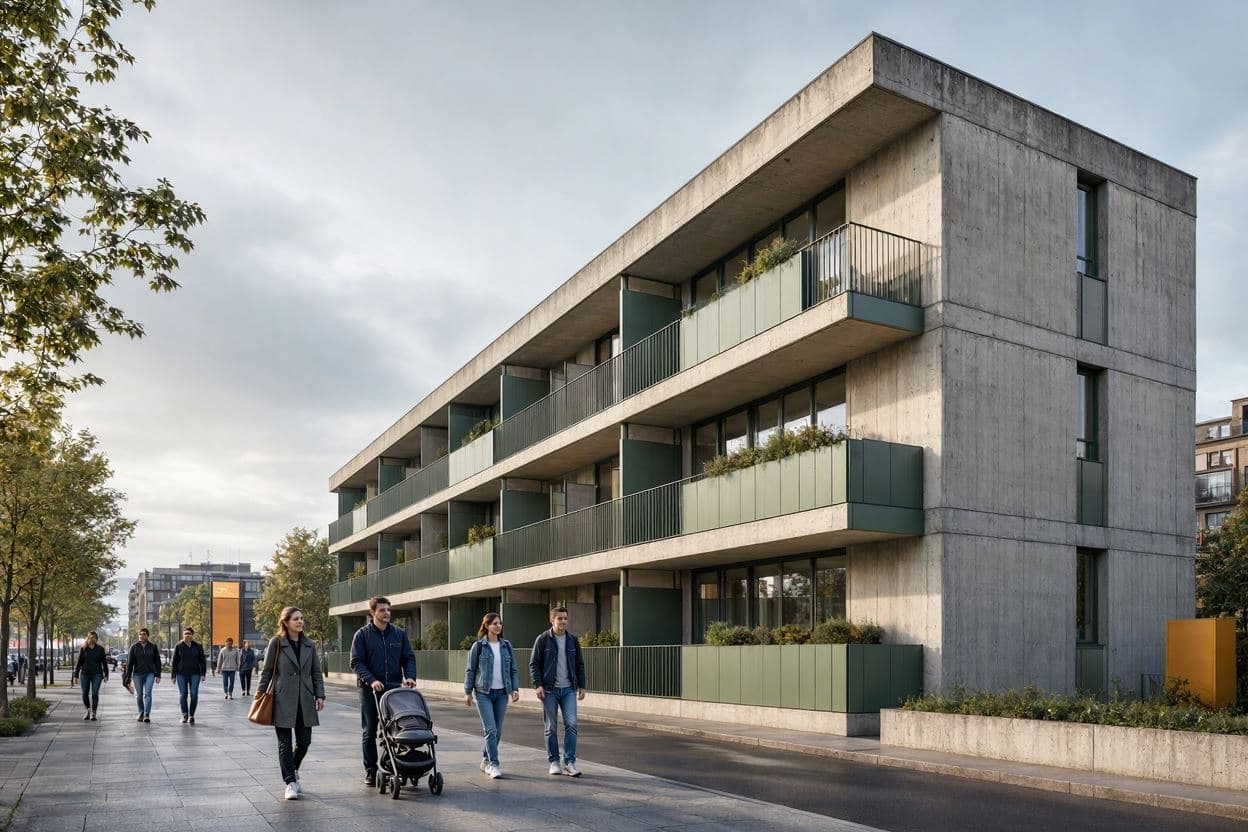
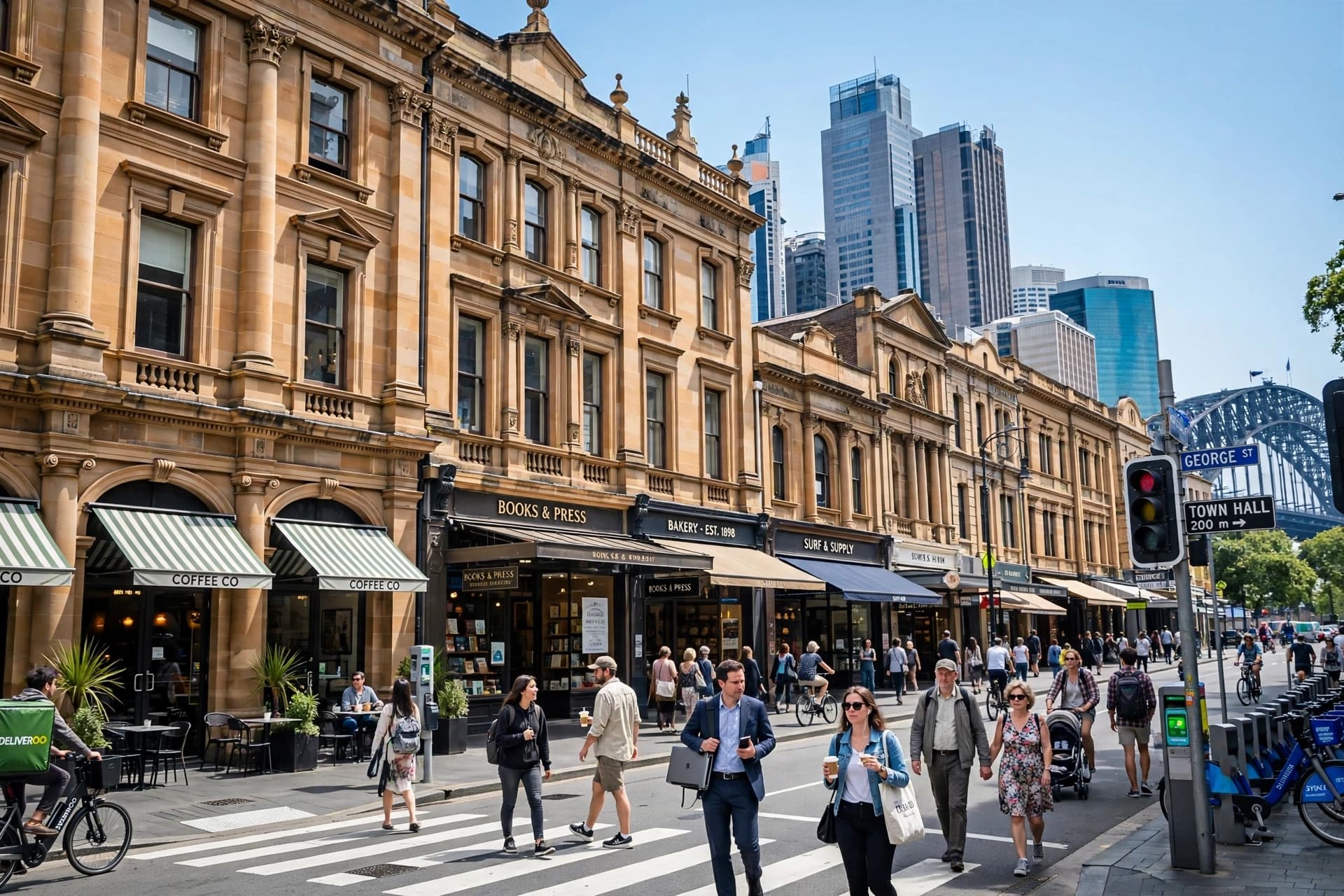
AI Image Disclaimer: The visual representations included here are AI-generated illustrations designed to depict urban planning concepts and cityscapes, not actual photographs of the specific streets or the developer involved.
Sources: The Sydney Morning Herald ABC News Australia The Guardian Australia
Published by Banx Network. This article is part of the Banx decentralized media programme, powered by the BXE token on the XRP Ledger.