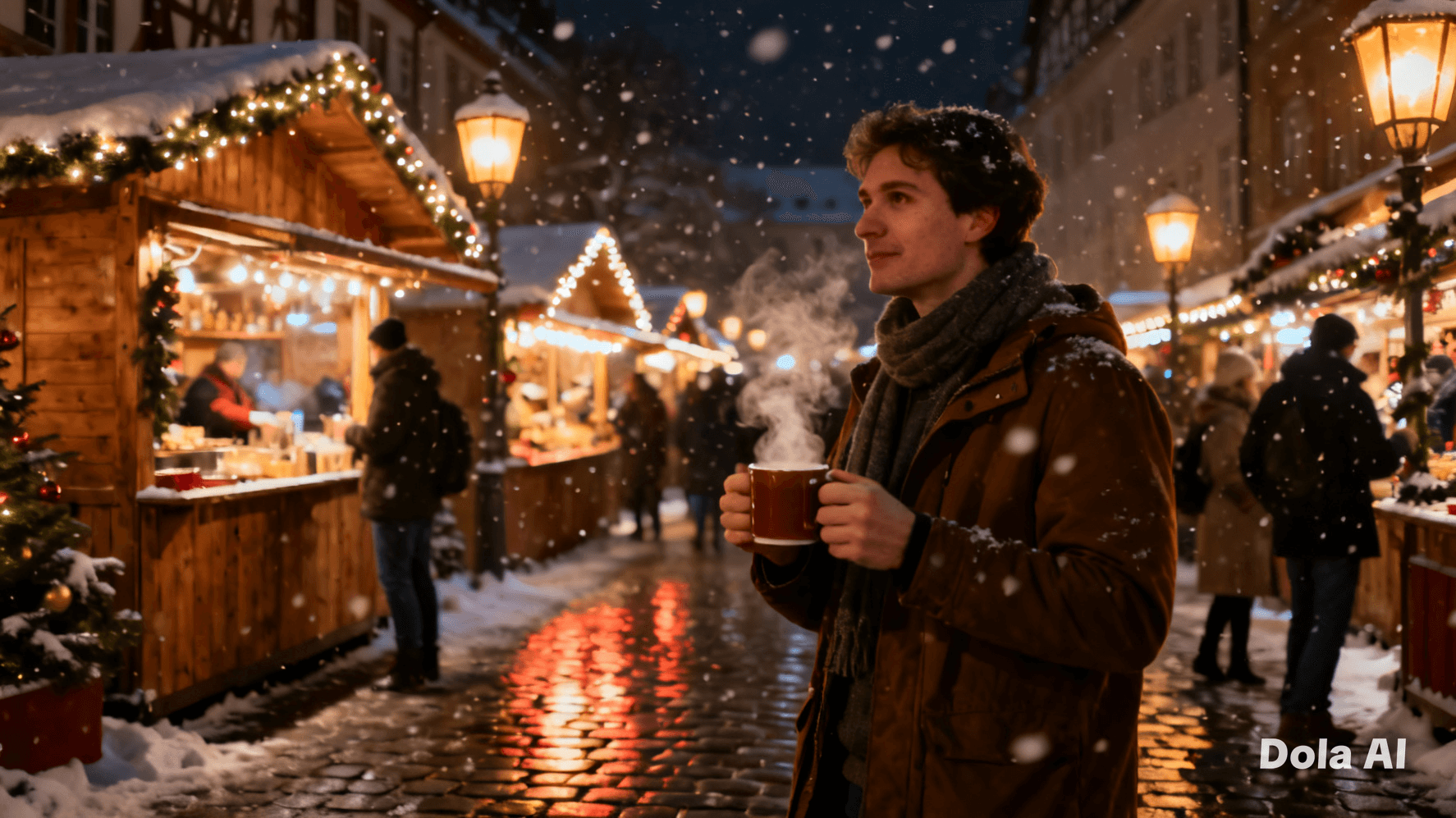
Winter in Germany often arrives wrapped in ritual. As daylight fades early and frost gathers along rooftops, town squares begin to glow with strings of lights and the scent of spices carried through the cold air. In mittened hands, cups warm fingers and breath alike. Yet among these comforts, one traditional winter drink has become an unexpected point of debate — cherished by some, gently resisted by others.
At the heart of the discussion is , the hot spiced wine long associated with Christmas markets and winter gatherings. For many, its aroma — cinnamon, cloves, citrus, and warming red wine — evokes memories of childhood outings, festive stalls, and evenings spent beneath glowing lanterns. It is a taste intertwined with atmosphere, inseparable from the season itself.
Yet not everyone greets the steaming mug with enthusiasm. Some younger drinkers and health-conscious consumers are turning toward alternatives: alcohol-free versions, spiced fruit punches, herbal infusions, or lighter seasonal beverages. For them, tradition is not rejected outright, but reinterpreted through changing tastes and lifestyles.
Vendors at winter markets have noticed the shift. Alongside classic recipes, stalls increasingly offer white wine variations, low-sugar blends, and non-alcoholic options designed to broaden appeal. The expansion reflects both economic pragmatism and cultural evolution — an acknowledgment that tradition survives best when it adapts.
For older generations, however, the original remains inseparable from memory. The deep ruby color, the sweet heat rising through the cup, and the ritual of gathering around steaming vats form part of a shared seasonal language. To alter the recipe too drastically can feel, to some, like diluting a piece of cultural heritage.
The conversation is less a clash than a quiet negotiation between past and present. Germany’s winter markets themselves have evolved over centuries, absorbing influences while maintaining their symbolic warmth. In this context, the debate over what fills the cup mirrors broader cultural rhythms: continuity paired with change.
Nutrition trends and shifting social habits also shape the discussion. Reduced alcohol consumption among younger Europeans and increased awareness of sugar intake have prompted reconsideration of traditional indulgences. Yet these shifts coexist with a renewed appreciation for artisanal methods and regional authenticity.
Beyond taste, the drink represents a social ritual. A shared cup encourages pause — a moment to stand still in the cold, to converse, to watch snow gather on wooden stalls. Whether filled with classic mulled wine or a modern alternative, the vessel itself carries the essence of winter conviviality.
Observers note that such debates are common wherever tradition meets evolving preference. Food and drink often serve as emotional touchstones, linking identity to memory. The strength of feeling surrounding a seasonal beverage reflects not division, but attachment.
As another winter unfolds, the steam rising from market stalls continues to blur the line between nostalgia and novelty. Some cups will hold the familiar spice of centuries past; others will offer lighter, contemporary blends. Both find their place beneath the same winter lights.
In the end, Germany’s winter drink debate is less about choosing sides than about recognizing the enduring power of seasonal ritual. Whether sweet and spiced in its original form or gently reimagined for modern tastes, the drink remains what it has always been: a small vessel of warmth in the heart of winter.
AI Image Disclaimer Visuals are created with AI tools and are not real photographs.
Sources : BBC News The Guardian Deutsche Welle Der Spiegel Reuters
Published by Banx Network. This article is part of the Banx decentralized media programme, powered by the BXE token on the XRP Ledger.