
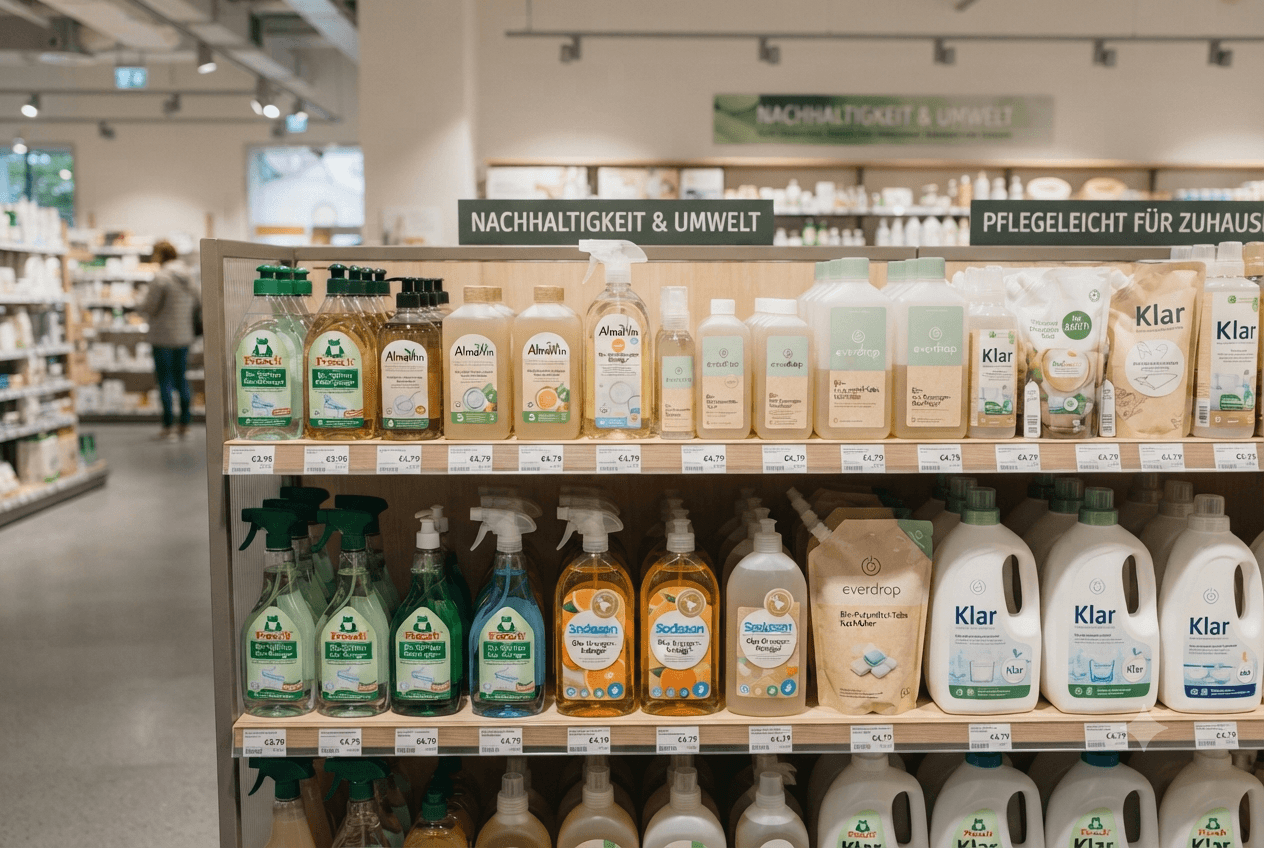
Key Highlights
- Initiative Launch:Henkel introduces 100% recycled plastic bottles across its home care portfolio.
- Environmental Impact:The new packaging reduces carbon emissions and material usage.
- Industry Response:Competitors and retailers are closely monitoring the transition as consumer demand for sustainability grows.
Henkel, a global leader in consumer goods, announced a significant expansion of its sustainable packaging initiative on Monday, focusing on its entire home care product line. This ambitious rollout includes the introduction of 100% recycled plastic bottles and a reduction in material thickness for popular brands in dishwashing and surface cleaning. Retailers throughout Western Europe are set to receive these redesigned packaging formats immediately, marking a pivotal moment in Henkel's commitment to sustainability.
The development of the new packaging was a meticulous process, with Henkel's packaging engineers dedicating over two years to reformulate container polymers. This effort was aimed at ensuring that the new bottles could withstand the rigors of standard distribution while maintaining product integrity. Prior to the rollout, life-cycle assessments confirmed that the new packaging would lead to a substantial reduction in carbon emissions associated with container production, aligning with Henkel's broader environmental goals.
Consumer feedback has been overwhelmingly positive, with focus groups responding favorably to the updated minimalist aesthetics of the bottles and the clear recycling instructions printed on the labels. This consumer-centric approach is crucial as the demand for eco-friendly household goods continues to rise. Retail partners have agreed to prominently feature the redesigned product ranges in promotional displays starting this week, further enhancing visibility and consumer engagement.
As Henkel embarks on this packaging transition, industry competitors are closely observing the initiative. The shift comes at a time when consumer demand for sustainable products is accelerating, prompting many companies to reevaluate their packaging strategies. Henkel's sustainability directors have emphasized that the new materials not only meet rigorous food-grade and chemical safety certifications but also represent a significant step towards achieving corporate circular economy targets.
Cost analyses conducted by Henkel revealed that the increased expenses associated with using recycled materials were successfully offset by optimized logistics and the lighter weight of the new containers. This financial strategy is essential for maintaining competitive pricing while committing to sustainability.
Consumer advocacy groups have acknowledged Henkel's packaging milestone but have urged the company to accelerate its timelines for expanding refillable station options in urban retail outlets. Alongside the packaging announcement, Henkel published corporate sustainability reports outlining further milestones targeted for the upcoming fiscal cycle. Environmental regulatory bodies in several EU member states have cited Henkel's framework as a benchmark for industrial packaging compliance, reinforcing the company's leadership in sustainable practices.
In a statement, executive board members reiterated their commitment to eliminating virgin fossil-based plastics by the end of the decade, showcasing Henkel's dedication to not only meeting but exceeding industry standards in sustainability. This initiative not only positions Henkel as a leader in eco-friendly packaging but also sets a precedent for other companies in the consumer goods sector to follow.
Published by Banx Network. This article is part of the Banx decentralized media programme, powered by the BXE token on the XRP Ledger.



