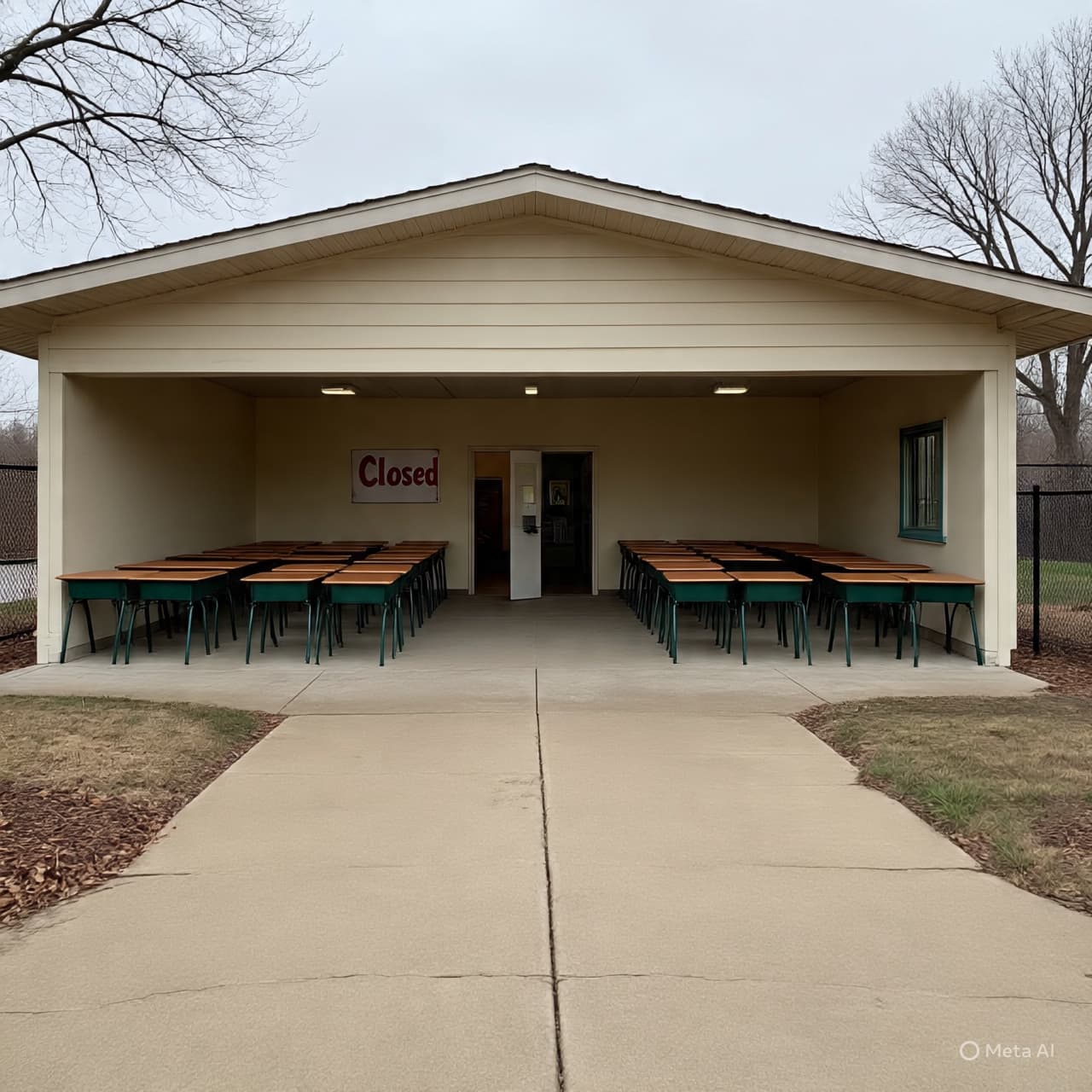
In the quiet corridors of government offices and the bustling classrooms of child care centers, a ripple of concern has spread. Federal funds meant to nurture the youngest citizens — enabling parents to work and children to thrive — have been paused, not by accident but by scrutiny. The U.S. Department of Health and Human Services (HHS) has frozen child care payments to all states, citing alleged fraud in Minnesota as a trigger. It is a moment where policy, oversight, and public trust intersect, and where families and providers alike must navigate a sudden uncertainty. Just as a river’s flow can be interrupted by a dam, so too are the vital streams of federal support temporarily held in check.
Deputy HHS Secretary Jim O’Neill emphasized that the nationwide freeze is a preventive measure, intended to ensure that taxpayer dollars are spent legitimately. The pause follows a viral video alleging widespread misuse of child care funding in Minnesota, raising concerns about “blatant fraud” that could extend beyond a single state. Under the new directives, all states must submit extensive documentation — including licensing verification, attendance logs, receipts, and even photographic proof — before federal payments resume.
Minnesota, which typically receives roughly $185 million annually in child care assistance for about 23,000 children, faces particularly intense scrutiny. Officials warn that delays in funding could disrupt services for families who rely on subsidies, highlighting the delicate balance between oversight and access to essential programs.
The nationwide freeze underscores a broader challenge in managing federal social programs. While fraud prevention is crucial, advocates note that legitimate providers and families may feel collateral effects. Many child care centers operate on tight margins; a temporary suspension of funds can strain payroll, limit resources, and create cascading impacts for working parents.
State officials, including Minnesota Governor Tim Walz and Attorney General Keith Ellison, have expressed concerns that the freeze could be politically motivated and cautioned against harming families in the process. They note that the state already has anti-fraud mechanisms in place and dispute some of the claims prompting the federal action. At the same time, HHS officials maintain that the verification requirements are standard practice under existing law when credible fraud allegations arise.
Experts highlight that the freeze is part of ongoing enforcement measures to ensure program integrity. Similar federal oversight actions have occurred in other states where anomalies or reports of misuse prompted audits and temporary fund restrictions. The goal, according to HHS, is to safeguard public funds while maintaining the system’s long-term viability.
As HHS works with states to complete the new verification process, families and providers await clarity on when federal payments will resume. Officials emphasize that the freeze is procedural, intended to prevent misuse while continuing support for legitimate programs. Meanwhile, states are adjusting workflows, child care centers are assessing financial contingencies, and parents are navigating temporary uncertainty — a reminder of the delicate interplay between policy enforcement and everyday life in the nation’s communities.
AI Image Disclaimer “Images in this article are AI-generated illustrations, meant for concept only.”
Sources ABC News CBS News Associated Press WIBW News Local Minnesota State Reporting
Published by Banx Network. This article is part of the Banx decentralized media programme, powered by the BXE token on the XRP Ledger.