In the high-stakes theater of modern geopolitics, where the line between diplomacy and conflict is often drawn in the sky, a recent episode of 60 Minutes offers two distinct yet profound glimpses into the American experience. One segment brings us face-to-face with the raw courage of a U.S. Air Force officer who survived being shot down over Iran, while another pulls back the curtain on a shadowy domestic industry: the brokering of presidential pardons. Together, they illustrate the extremes of human resilience and the complexities of justice in the United States.
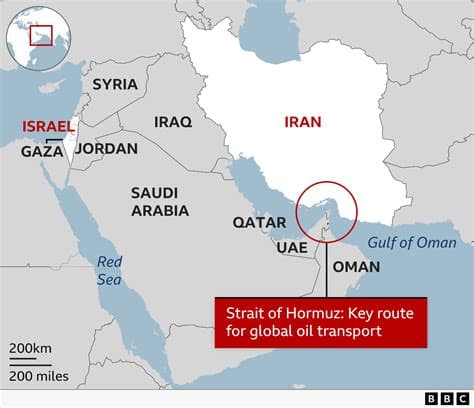
The first story is one of harrowing survival. In April 2026, an F-15E fighter jet was downed over Iranian territory, leaving its two-man crew stranded behind enemy lines. For fifty hours, Colonel [Name Redacted for Privacy] evaded capture, injured and alone, relying on his training and sheer will to stay alive. In his first public interview, he recounts the tension of those days, the fear of discovery, and the eventual rescue by U.S. Special Forces. His account is not just a military tale but a testament to the human spirit’s capacity to endure under impossible conditions.
The rescue operation itself was a monumental effort, involving coordinated strikes and special operations teams that risked their lives to bring the pilots home. The colonel’s gratitude is palpable, as is his respect for the comrades who ensured his return. This segment serves as a reminder of the dangers faced by service members and the intricate machinery of national defense that operates largely out of public view. It honors their sacrifice while acknowledging the geopolitical tensions that put them in harm’s way.
Shifting from the skies to the corridors of power, the second segment investigates the "pardon economy." Using hidden cameras, 60 Minutes reporters infiltrated a network of brokers who charge substantial fees to secure presidential pardons for felons. The investigation reveals a lucrative business where access to the highest office in the land appears to be for sale, raising serious ethical and legal questions about the integrity of the clemency process.
The probe highlights cases where individuals with significant financial resources were able to navigate this opaque system, while others without means were left behind. Critics argue that this commodification of justice undermines the rule of law and erodes public trust in government institutions. The footage captures candid conversations that suggest a pay-to-play dynamic, prompting calls for greater transparency and reform in how pardons are granted.
While the White House has stated that all pardons are reviewed through proper channels, the existence of such brokers suggests loopholes that may be exploited. The segment does not accuse specific officials of wrongdoing but rather exposes the infrastructure that allows such practices to flourish. It invites viewers to consider the implications of a system where mercy can be bought, challenging the ideal of equal justice under the law.
Together, these stories on 60 Minutes offer a dual perspective on American life: one of heroic endurance in the face of external threats, and another of internal scrutiny regarding the fairness of our legal systems. They remind us that while our nation is capable of great bravery, it is also subject to deep moral and ethical challenges. As the broadcast concludes, it leaves the audience with much to reflect upon regarding both the cost of freedom and the value of justice.
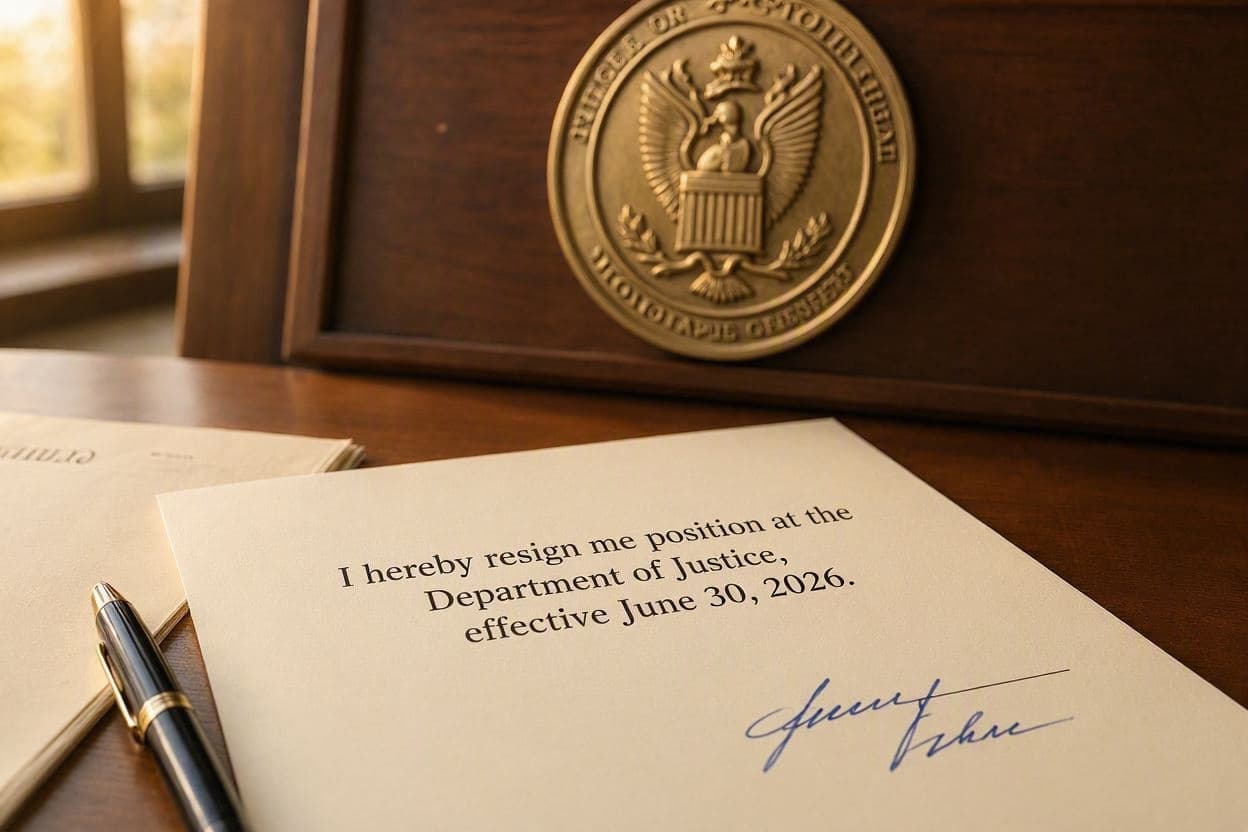
AI Image Disclaimer: The visual representations in this article are AI-generated illustrations designed to convey the themes of military survival and legal investigation.
Sources: CBS News, Paramount Press Express, AOL
Published by Banx Network. This article is part of the Banx decentralized media programme, powered by the BXE token on the XRP Ledger.