
Key Highlights
- Surge in AI-generated videos:A significant increase in misleading AI-generated videos related to the Iran conflict has been observed.
- Monetization issues:Social media platforms are struggling to manage the monetization of AI-generated content while combating misinformation.
- Expert warnings:Digital media experts express concerns over the impact of these videos on public trust and the documentation of real events.
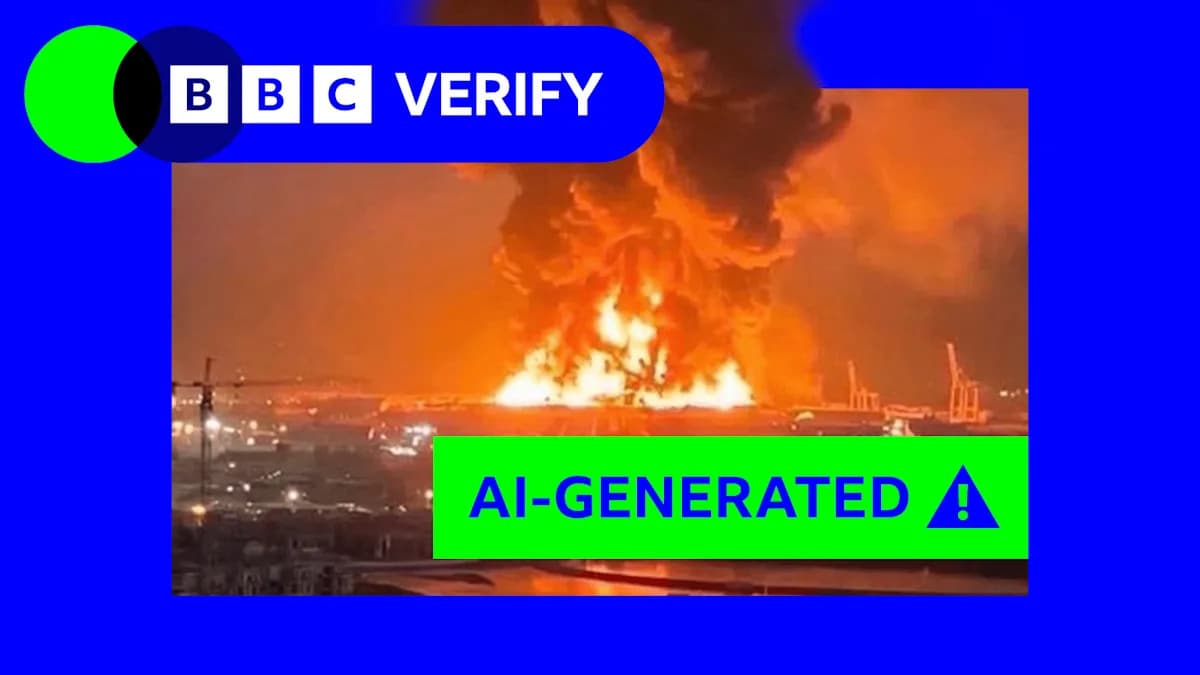
As tensions escalate between the United States, Israel, and Iran, a troubling trend has emerged: a surge in AI-generated videos depicting the conflict. Content creators are leveraging advanced technologies to produce misleading information, often for profit. According to experts from BBC Verify, manipulated footage and unauthorized satellite imagery related to the conflict have garnered hundreds of millions of views online. Timothy Graham, a digital media expert from the Queensland University of Technology, remarked, “The scale is truly alarming, and this war has made it impossible to ignore now.”
The military operations initiated by the U.S. and Israel against Iran on February 28, 2026, have led to a chaotic environment where misinformation thrives. In the quest for real-time updates, many users have turned to social media, only to be inundated with synthetic footage that distorts reality. This proliferation of AI-generated content complicates the landscape of information, making it increasingly difficult for individuals to discern fact from fiction.
In response to the growing concern over AI-generated misinformation, the platform X (formerly Twitter) has announced new measures. Creators who post AI-generated conflict videos without appropriate labeling will face temporary suspensions from the monetization program. This program rewards users whose content achieves significant engagement, inadvertently incentivizing the creation of misleading videos. The financial motivations behind this trend raise ethical questions about the responsibility of content creators and social media platforms in curbing misinformation.
Experts warn that the impact of these misleading videos extends beyond mere confusion; they can severely undermine public trust in verified information. Mahsa Alimardani from the Oxford Internet Institute stated, "Fake videos like these have a detrimental impact on people's trust... and make it much harder to document real evidence." This erosion of trust poses a significant challenge for journalists and fact-checkers striving to provide accurate accounts of unfolding events.
The tools available for creating convincing yet false content have become increasingly sophisticated. For instance, fabricated satellite images derived from real but outdated images have been circulated to falsely depict damage and conflict scenarios. As generative AI technology continues to evolve, the pipeline for producing and disseminating misleading videos has become almost fully automated. Generative AI expert Henry Ajder noted, “The number of tools available for producing realistic AI manipulations is unprecedented.”
Social media platforms are now grappling with the dual challenge of fostering engagement-driven monetization while ensuring the accuracy and integrity of information shared on their sites. The ongoing tension between these competing priorities may hinder efforts to address the growing misinformation epidemic exacerbated by the surge in AI-generated content. As the conflict in Iran continues, the implications of this trend will likely resonate far beyond the immediate crisis, affecting public perception and trust in media for years to come.
Published by Banx Network. This article is part of the Banx decentralized media programme, powered by the BXE token on the XRP Ledger.



