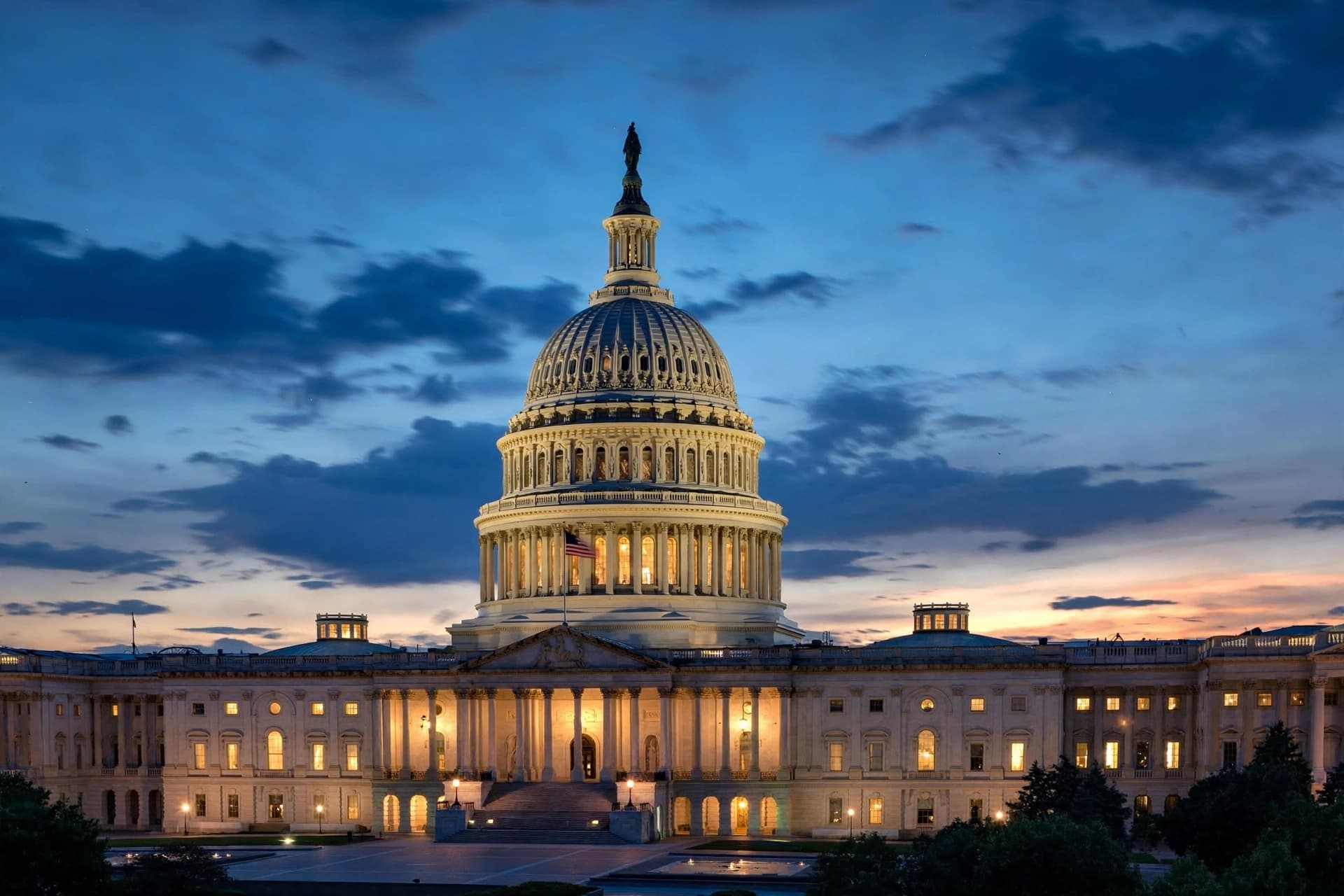
In the historic heart of Washington D.C., where every stone tells a story of power and tradition, a modern renovation project has become the subject of legal scrutiny. The Supreme Court has allowed former President Donald Trump to proceed with plans for a new White House ballroom, at least for the time being. This temporary reprieve keeps the construction alive while lower courts continue to debate the legality and appropriateness of such a significant alteration to the executive residence.
The proposal for a grand ballroom has sparked debate among historians, architects, and politicians. Supporters argue that the White House needs updated facilities to host large state functions and diplomatic events efficiently. They view the addition as a practical improvement that enhances the building’s utility and prestige. For Trump, it represents a legacy project, a tangible mark of his tenure and vision for the executive branch.
Critics, however, see the plan as a violation of historical preservation principles. They argue that the White House is a national monument, and any major changes should undergo rigorous review and public consultation. Concerns have been raised about the impact on the building’s structural integrity and aesthetic harmony. Legal challenges have focused on whether the executive branch has the authority to make such unilateral decisions without congressional approval.
The Supreme Court’s decision to let the work continue is not a final endorsement but a procedural pause. It allows the project to move forward while the legal questions are resolved in lower courts. This approach balances the need for administrative efficiency with the importance of judicial oversight. It reflects the court’s cautious stance on intervening in executive decisions unless there is clear evidence of illegality.
For the public, the controversy highlights the tension between personal ambition and public stewardship. The White House belongs to the nation, not to any single occupant. Decisions about its modification should reflect broad consensus and respect for history. The debate serves as a reminder of the checks and balances that define American democracy, ensuring that no one person can reshape national symbols without scrutiny.
Construction crews have begun preliminary work, pending further legal clarity. The project involves significant investment and logistical planning, with timelines dependent on court rulings. If the lower courts ultimately block the plan, the work may halt, leaving behind a partially completed structure. This uncertainty adds complexity to the administration’s agenda and resource allocation.
Historical preservationists are monitoring the situation closely, ready to advocate for the protection of the White House’s heritage. They emphasize the importance of maintaining the building’s original character while allowing for necessary updates. The outcome of this case could set a precedent for future renovations, influencing how executive residences are managed and modified.
In the end, the ballroom project is more than a construction job; it is a test of democratic norms. It asks whether tradition or transformation should guide the evolution of national landmarks. For now, the work continues, but the conversation about accountability and history remains loud and vital. The Supreme Court’s watchful eye ensures that the final decision will be grounded in law and respect for the past.
AI Image Disclaimer: Visuals in this article are AI-generated illustrations of the White House exterior and abstract representations of architectural plans, designed to visualize the theme of renovation without depicting real construction sites or proprietary blueprints.
Sources: The Washington Post, Politico, CNN, Reuters
Published by Banx Network. This article is part of the Banx decentralized media programme, powered by the BXE token on the XRP Ledger.