The global oil market often moves like the tide—slowly at first, then with a gathering pull that reshapes shorelines far beyond the horizon. In trading rooms and government ministries alike, attention turns toward the Gulf, where major producers have begun tightening the flow of crude. Each adjustment feels measured, but together they form a current that can shift prices, expectations, and economic planning across continents.
Recent announcements from key Gulf energy producers signal continued output reductions, part of coordinated efforts aimed at balancing supply and demand. These moves come at a time when markets are already sensitive to geopolitical tensions, inflation concerns, and uneven global growth. Oil, long the quiet engine beneath modern economies, now sits at the center of a delicate recalibration.
Traders have responded swiftly. Futures prices have edged higher as analysts weigh the implications of reduced supply against uncertain demand forecasts. Energy markets tend to anticipate rather than react; even the suggestion of tighter barrels can ripple outward, influencing transportation costs, manufacturing inputs, and consumer prices. For countries dependent on imports, the shift may translate into higher fuel costs. For producers, it can mean strengthened revenues and strategic leverage.
The Gulf’s role in the global energy system remains foundational. As some of the world’s largest exporters coordinate production levels, their decisions resonate through shipping routes, refinery schedules, and national budgets. Central banks monitor these developments closely, aware that sustained oil price increases can feed broader inflationary pressures. Businesses, meanwhile, revisit projections for logistics and operating expenses, adjusting to the evolving cost of energy.
Yet markets are rarely linear. Output cuts do not guarantee sustained price increases, especially if global demand softens or alternative supplies rise. Energy analysts point to factors such as technological efficiency gains, renewable expansion, and shifts in industrial output that can offset tighter supply. Still, in the near term, reduced production from major Gulf producers adds a layer of complexity to an already intricate landscape.
For consumers, the effects may arrive gradually—visible at the gas pump or in utility bills. For investors, oil’s trajectory often serves as a barometer of broader confidence. When supply tightens, the market listens carefully, interpreting signals about coordination, strategy, and long-term intent.
As the year unfolds, the interplay between Gulf production decisions and global demand will help define the tone of energy markets. Whether the cuts prove temporary or extended, they underscore a recurring reality: in a world powered by hydrocarbons, the flow of oil remains one of the most influential currents shaping economic stability and growth.
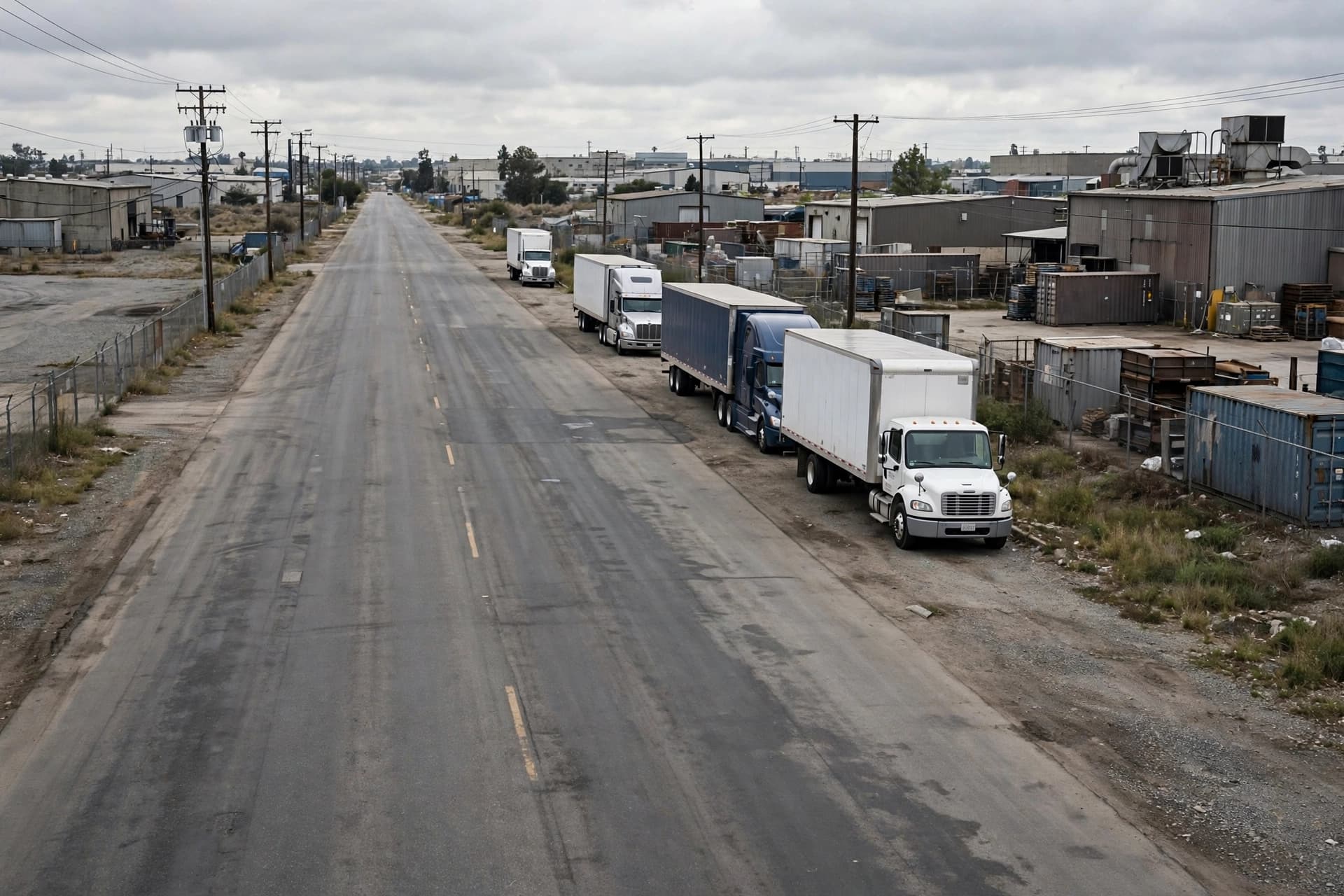
AI Image Disclaimer The visuals are AI-generated and intended as conceptual representations, not real photographs.
Sources Reuters Bloomberg Associated Press International Energy Agency OPEC
Published by Banx Network. This article is part of the Banx decentralized media programme, powered by the BXE token on the XRP Ledger.