
Key Highlights
- Initiative Cost:The UK government has launched a £15 billion plan to support households with green technology.
- Target Audience:Up to five million homes could benefit from solar panels, heat pumps, and insulation upgrades.
- Financial Support:Grants and low-interest loans will be available to make installations affordable for families.
The UK government has recently introduced a transformative initiative aimed at alleviating the financial burden of energy costs for households across the nation. The £15 billion Warm Homes Plan is designed to facilitate the installation of solar panels, batteries, heat pumps, and insulation, enabling families to generate and manage their own energy. This ambitious program seeks to reduce energy bills and promote sustainable living, marking a significant step towards a greener future.
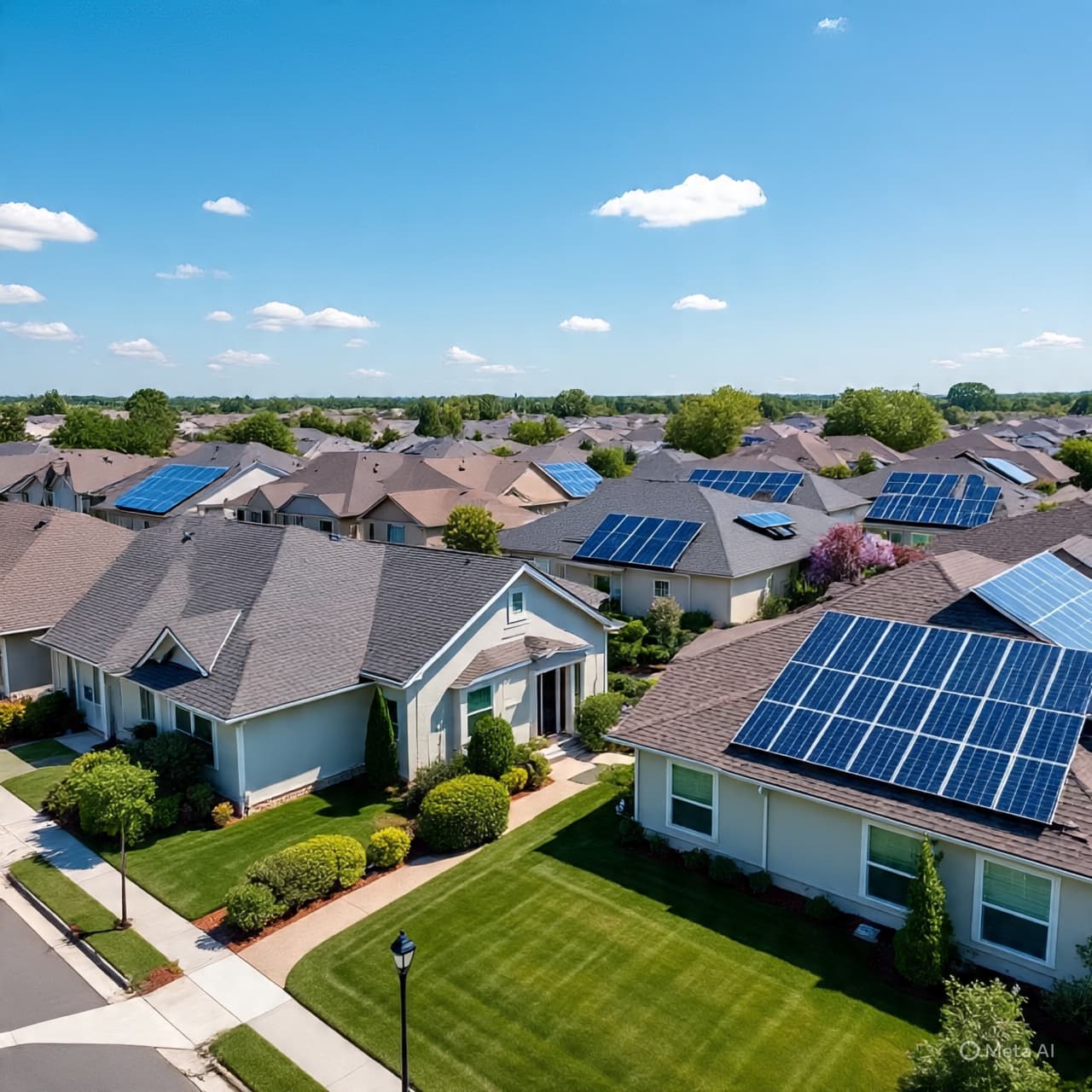
At the core of the Warm Homes Plan is the recognition that rising energy costs have become a pressing issue for many families. By empowering households to harness renewable energy sources, the initiative aims to reshape the way homes consume energy. With solar panels becoming a common sight on rooftops and heat pumps installed in backyards, the vision is to create a landscape where homes actively contribute to a more sustainable energy grid.
The plan is expected to benefit up to five million homes over the coming years. For low-income households, the government will provide grants that cover the full cost of certain installations. For others, zero and low-interest loans will be available, making the upfront costs of these green technologies more manageable. The overarching goal is to significantly reduce energy expenses, potentially saving families hundreds of pounds annually.
During the announcement, Prime Minister Sir Keir Starmer emphasized the importance of addressing fuel poverty, a condition where families struggle to afford adequate heating. He framed the Warm Homes Plan as part of a broader strategy to transition towards cleaner energy solutions, highlighting the dual benefits of economic relief and environmental responsibility.
However, the path to this greener future is not without its challenges. Critics have pointed out that previous initiatives have faced obstacles such as installation delays and bureaucratic inefficiencies. Ensuring that the rollout of the Warm Homes Plan is smooth and effective will be crucial for its success. Experts warn that while the potential for green technology is significant, the quality and affordability of installations must be prioritized to ensure that households genuinely benefit.
Despite these concerns, there is a sense of cautious optimism surrounding the Warm Homes Plan. Many stakeholders, including community groups and industry experts, are hopeful that this initiative will pave the way for a more sustainable energy landscape in the UK. The vision is clear: to integrate clean technology into everyday life, easing the financial strain on households while contributing to a healthier planet.
As the UK embarks on this journey towards a greener future, the success of the Warm Homes Plan will depend on effective implementation and community engagement. The potential for solar panels to gleam in the morning light and batteries to hum quietly in garages represents not just a political initiative, but a personal commitment to a sustainable lifestyle for families across the nation.
Published by Banx Network. This article is part of the Banx decentralized media programme, powered by the BXE token on the XRP Ledger.



