The sun, relentless and unyielding, seems to hover closer over Victoria this summer than ever before. Streets shimmer in a heat so intense that even the air seems to ripple with it, and the once-gentle breeze carries not relief but a whisper of warning. Australians, seasoned to the continent’s extremes, now brace for a heatwave forecasters are calling the most severe since the Black Saturday fires — a stark reminder of nature’s unrelenting force and the delicate balance we inhabit with it. Meanwhile, far across the continent, Western Australia turns its gaze to the brewing menace of Tropical Cyclone Luana, a swirling testament to the ocean’s power.
In Victoria, temperatures are expected to soar above 45°C in many regions, igniting public health alerts and sparking concern among emergency services. The heatwave’s severity is matched by its timing, coinciding with high fire danger conditions, leaving communities vigilant for any spark that could threaten life and property. Authorities have issued warnings urging residents to limit outdoor activity, check on vulnerable neighbors, and prepare for potential power disruptions as the grid strains under record demand.
Western Australia faces a different, yet equally compelling challenge. Cyclone Luana is projected to make landfall along the northern coast, bringing torrential rain, destructive winds, and flooding risks. Emergency management teams are on high alert, coordinating evacuations and resource deployment. For those in the cyclone’s path, the storm is a stark reminder that the country’s diverse climate hazards require constant vigilance, whether from the blistering inland heat or the coastal tempests.
Meteorologists emphasize the unusual intensity of these events. In Victoria, the convergence of heat and dry conditions mirrors patterns seen during the Black Saturday fires, though officials stress that proactive measures and early warnings aim to reduce risk. In WA, the tropical cyclone season is proving particularly active, challenging communities and authorities to stay ahead of rapidly shifting conditions. Together, these dual extremes underscore Australia’s vulnerability to climate-driven weather patterns, and the quiet resilience communities must summon to navigate them.
Residents are urged to heed official advice, stay hydrated, and be alert to local warnings. As the sun blazes across Victoria and cyclonic winds stir in the north, the nation is reminded of both the power and fragility inherent in its environment — a lesson delivered with urgency but also with the hope that preparedness can soften nature’s harsher lessons.
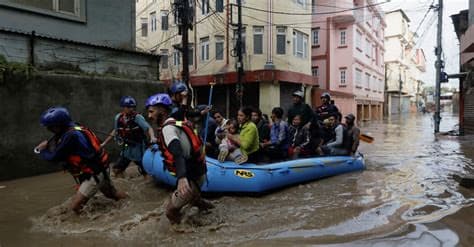
AI Image Disclaimer “Visuals are created with AI tools and are not real photographs.”
Sources The Guardian ABC News SBS News The Weekly Times Now News.com.au
Published by Banx Network. This article is part of the Banx decentralized media programme, powered by the BXE token on the XRP Ledger.