
Key Highlights
- Nirmal Purja, a renowned mountaineer, died in an avalanche on Broad Peak.
- The avalanche also claimed the lives of three other climbers.
- Rescue efforts faced severe weather and challenging terrain.
The world of mountaineering is mourning the tragic loss of Nirmal Purja, known affectionately as 'Nims,' who died in an avalanche on Broad Peak in Pakistan. Alongside him, three other climbers lost their lives in this devastating incident, which underscores the inherent dangers of high-altitude climbing. The recovery of their bodies has brought a somber conclusion to a search that captivated the climbing community and beyond.
Nirmal Purja was not just a climber; he was a pioneer who redefined the limits of mountaineering. His ambitious project to scale all 14 of the world's eight-thousand-meter peaks in record time captured global attention and admiration. Purja was also a passionate advocate for the rights of Sherpas and high-altitude porters, bringing much-needed visibility to their contributions in the climbing world. His untimely death is a profound loss, not only for his family and friends but also for those who viewed him as a beacon of resilience and inclusivity.
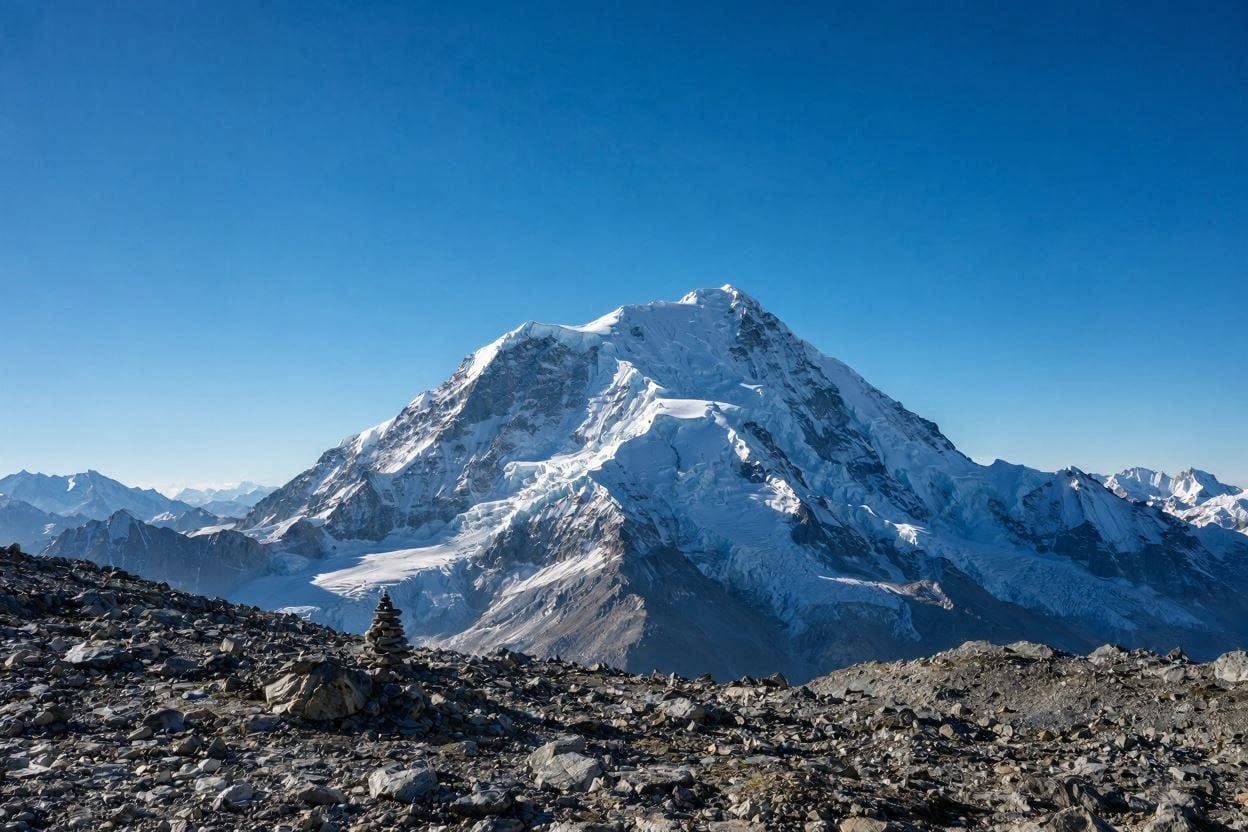
The avalanche struck Broad Peak, one of the highest mountains in the world, without warning. Rescue teams faced treacherous conditions as they searched for the missing climbers. After days of searching, the discovery of four bodies, including Purja's, confirmed the worst fears of their loved ones. The other victims were experienced climbers and guides, each with their own aspirations and stories, and their loss resonates deeply within the global mountaineering community.
Avalanches pose a constant threat in high-altitude environments, particularly in the Karakoram range where Broad Peak is located. Despite advancements in technology and avalanche forecasting, the unpredictability of mountain weather remains a significant challenge. Additionally, climate change is altering snow patterns, potentially increasing the frequency and severity of such tragic events. This incident serves as a stark reminder of the need for ongoing research and improvements in safety protocols for high-altitude expeditions.
Beyond his climbing achievements, Purja was a dedicated advocate for environmental conservation and social justice in the Himalayas. His foundation worked tirelessly to support local communities and promote sustainable tourism practices. As the climbing community mourns his loss, many are also celebrating his contributions to these vital causes, ensuring that his legacy will endure beyond his physical presence.
In the wake of this tragedy, tributes have poured in from fellow climbers, sponsors, and fans alike. Social media has transformed into a virtual memorial, where stories of Purja's kindness, determination, and humor are shared. This collective mourning not only honors his life but also helps those affected process their grief.
For the families of the victims, the recovery of the bodies offers a measure of closure, though the emotional pain remains profound. Efforts are underway to repatriate the bodies, allowing loved ones to say their final goodbyes. This incident also raises critical questions about the commercialization of high-altitude climbing and the responsibilities of expedition operators to ensure the safety of their climbers.
The loss of Nirmal Purja and three other climbers in Pakistan is a tragic reminder of the risks associated with pursuing the highest peaks. As the mountaineering community reflects on this event, Purja's adventurous spirit and advocacy for social and environmental causes will continue to inspire climbers and outdoor enthusiasts around the world.
Published by Banx Network. This article is part of the Banx decentralized media programme, powered by the BXE token on the XRP Ledger.



